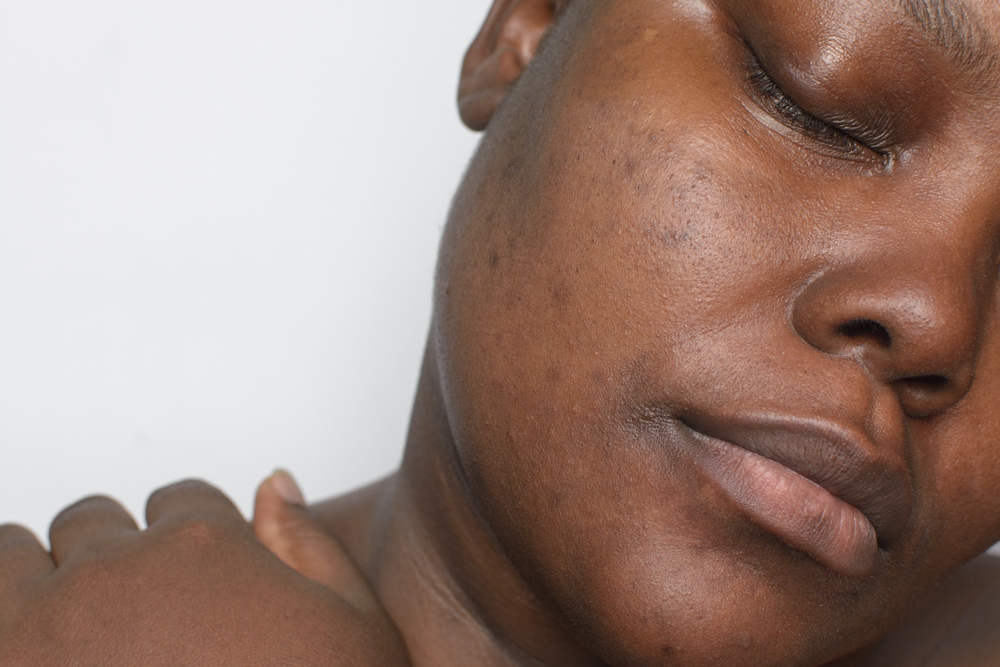
Hyperpigmentation shows up when skin cells called melanocytes go into overdrive and produce more melanin than usual, and for melanin-rich skin, this response tends to run stronger than it does on lighter skin tones. The most common triggers are sun exposure, inflammation from things like acne or bug bites, hormonal shifts, and any kind of skin trauma, whether that’s a cut, a popped pimple, or an aggressive skincare treatment gone wrong. Because melanin-rich skin reacts to inflammation more intensely, even small irritations can leave behind marks that stick around for months if they’re not handled carefully.
Why combination routines are replacing single hero ingredients
Here’s a shift that’s changed how dermatologists actually approach hyperpigmentation this year. The old conversation used to center on finding the single strongest ingredient, but the current thinking treats pigmentation as a multi-step process, melanin gets produced, then transferred to surface cells, then continuously re-triggered by UV exposure, so no single ingredient can interrupt every stage on its own. That’s why most dermatologist-built routines now combine a tyrosinase inhibitor, a melanin-transfer blocker, and an antioxidant rather than betting on one product to do everything.
Tranexamic acid is getting more attention than ever
Tranexamic acid deserves a closer look than it usually gets. It was originally used in medical settings for entirely different purposes, but it’s since become one of the more studied ingredients for stubborn discoloration. In a 2019 study, tranexamic acid reduced melasma severity by roughly 27 percent over 12 weeks, performing comparably to prescription hydroquinone but with noticeably less irritation. That makes it a strong option for anyone who’s sensitive to harsher treatments but still wants real results.
Niacinamide works differently than most people realize
Niacinamide doesn’t block melanin production the way some ingredients do. Instead, it interrupts the transfer of melanin-carrying melanosomes to the skin’s surface, which is a gentler mechanism that still adds up to visible improvement over time. A frequently cited 2002 study in the British Journal of Dermatology backs this mechanism, and niacinamide’s added barrier support makes it one of the more forgiving options for skin that’s already prone to irritation.
Vitamin C and AHAs round out a solid routine
Vitamin C brings antioxidant protection to the table, shielding skin from the environmental stress that can deepen existing spots while also supporting collagen production. AHAs like glycolic and lactic acid work through gentle exfoliation, helping newer, less pigmented skin cells surface faster. Glycolic acid penetrates more deeply and works faster, while lactic acid is the gentler of the two and adds a hydration boost, making it often the safer starting point for melanin-rich skin that’s prone to post-inflammatory marks.
Why sunscreen isn’t optional in this conversation
This part can’t be skipped. UV exposure directly reactivates the same melanin pathway every brightening ingredient is trying to slow down, so skipping sunscreen can undo weeks of progress in a single afternoon outside. Daily broad spectrum SPF 30 or higher, reapplied every two hours when outdoors, is considered by dermatologists to be the single most important factor in actually improving hyperpigmentation, not just an add-on step.
How to build a routine without overdoing it
Layering too many active ingredients at once tends to backfire, especially on melanin-rich skin, since the added irritation can trigger new dark spots rather than fading old ones. A simple approach works better. Mornings can focus on a gentle cleanser, a vitamin C serum, and sunscreen, while evenings are where treatment ingredients like tranexamic acid or a gentle exfoliating acid come in, used a few times a week rather than nightly. New ingredients should be introduced one at a time so it’s easier to tell what’s actually working and what’s causing irritation.
How long results actually take
Patience matters more than intensity here. Early changes tend to show up around four to six weeks in, with more visible improvement between eight and twelve weeks. Deeper, more stubborn discoloration, especially melasma or years of built up pigment, can take three to six months or longer, and may need a dermatologist’s help alongside at home care.