Your sleep position can affect your breathing, digestion, circulation and joints. Back sleeping keeps the spine aligned but can worsen snoring and sleep apnea. Left side sleeping can ease acid reflux. Stomach sleeping is the hardest on the neck. The best position depends on your body, and for some people, the popular advice to sleep on the left side does not apply.
Most adults already favor their side. Harvard sleep medicine professor John Winkelman says more than 60% of adults sleep that way, and that after reading thousands of sleep studies, he rarely sees anyone stay in one position all night. The position you fall asleep in tells only part of the story.
1. Is back sleeping good for you?
For your spine, often yes. Lying on your back spreads your weight evenly and keeps the neck and spine neutral, and some people with back pain report less discomfort after switching to it. For your airway, it can be a problem for sleep position. Gravity pulls the tongue and soft tissue toward the throat, which can make snoring and sleep apnea worse. Susan Redline of Brigham and Women’s Hospital says most people with sleep apnea have far worse symptoms on their backs than on their sides. Back sleepers who struggle with reflux may get relief from a slight incline.
2. Which side should you sleep on?
Usually the left, but not always. Left side sleeping can reduce acid reflux and ease pressure on some organs, and prenatal guidelines often recommend it later in pregnancy. Here is the exception. Redline notes that people with heart failure may feel better sleeping on their right side. Winkelman adds that back sleeping can leave people with heart or lung problems short of breath. If your body keeps steering you toward one side, it may be responding to something worth mentioning to your doctor.
3. What does sleeping in the fetal position mean?
Curling up with your knees toward your chest is common, and some researchers have suggested it may reflect a need for comfort or security. It is generally safe. Curling too tightly, however, can restrict deep breathing and strain the hips and lower back over a long night. Loosening the curl and placing a pillow between your knees can help.
4. Is stomach sleeping bad for you?
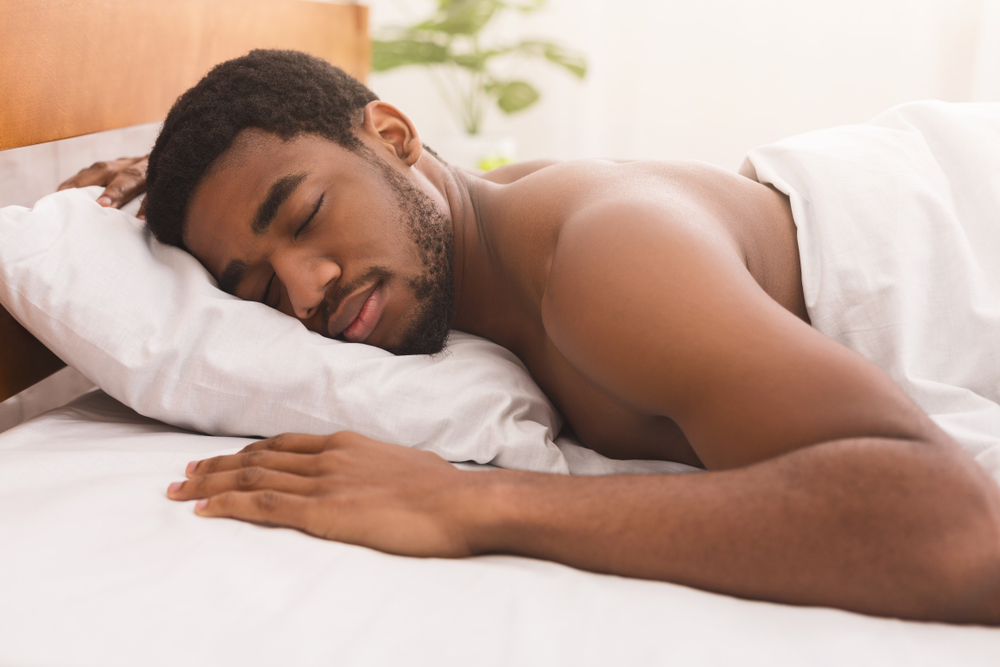
It is generally the least favorable position. Lying face down forces your neck to twist to one side for hours and can strain your spine. Stomach sleepers are more likely to wake up with neck pain or stiffness. Specialists often suggest gradually training yourself toward side sleeping instead.
How can you change your sleep position?
Start with your setup. A mattress that is too soft or a pillow that is too high can push you into a position that strains your body. For people with sleep apnea who keep rolling onto their backs, doctors sometimes recommend a simple trick, a shirt with a tennis ball sewn into the back, which makes back sleeping uncomfortable enough to avoid.
Why does this matter in Black communities?
Sleep apnea often goes undiagnosed, and research has found that Black adults face higher rates of sleep apnea and shorter sleep than white adults. Loud snoring, gasping at night or waking up exhausted are worth raising with a doctor, whatever position you sleep in.
What is the best sleep position for you?
The one that leaves you rested. There is no single sleep position that works for everyone, and pregnancy, snoring, reflux, heart health and joint pain all shape what feels best. How you feel when you wake up says more than any chart. Stress, screens before bed and room temperature matter just as much as posture.