Vitamin C has long been associated with immune support and a defense against the common cold, but a new study adds the brain to the list of organs that may depend on it. Researchers have found a connection between blood levels of vitamin C and the volume and connectivity of gray matter, the tissue responsible for much of the brain’s processing power. The findings offer another data point in the ongoing effort to understand which everyday nutrients matter most as the brain ages.
How the brain changes with age
Brain volume naturally shrinks with age, and gray matter, the tissue that handles information processing, movement control and emotional regulation, tends to shrink the most. That decline can show up as trouble forming new memories or difficulty juggling several tasks at once. At the same time, changes in neurons and the chemical messengers that connect them can weaken communication between different regions of the brain, a shift researchers describe as reduced connectivity.
What the vitamin C study found
The new research, published in the journal PLOS One, looked at roughly 2000 Japanese adults age 64 and older. Scientists measured blood plasma levels of vitamin C and paired those readings with MRI scans that captured gray and white matter volume throughout the brain. Participants with lower vitamin C levels tended to have smaller gray matter volume and weaker connectivity within a brain network known as the default mode network. That network is closely tied to memory, and the study’s authors suggested that keeping vitamin C levels in a healthy range could help preserve both the size and the wiring of this part of the brain as people get older.
Why the default mode network matters
The default mode network springs into action when the brain is not focused on an outside task, during moments of daydreaming, reflection or quiet rest. It plays a central role in self reflection and short term memory, making it one of the networks most closely watched by researchers studying cognitive aging. Weaker connectivity in this network has been associated with the kind of memory lapses that often accompany getting older, which is part of why the link to vitamin C drew attention from the neurology community.
What doctors make of the findings
Dr. Peter Gliebus, chief of neurology at the Marcus Neuroscience Institute, described the results as pointing toward a simple and accessible way to support brain health, since vitamin C is widely available through diet. He noted that the body’s ability to absorb nutrients can decline with age, which makes understanding how vitamin levels affect brain function especially relevant for older adults. Dr. Dung Trinh, an internist and chief medical officer at the Healthy Brain Clinic, offered a note of caution, pointing out that the study shows an association rather than proof that vitamin C directly causes the brain changes observed. He encouraged people to focus on getting vitamin C through a varied diet of fruits and vegetables rather than turning to supplements as a shortcut.
Getting more vitamin C into your day
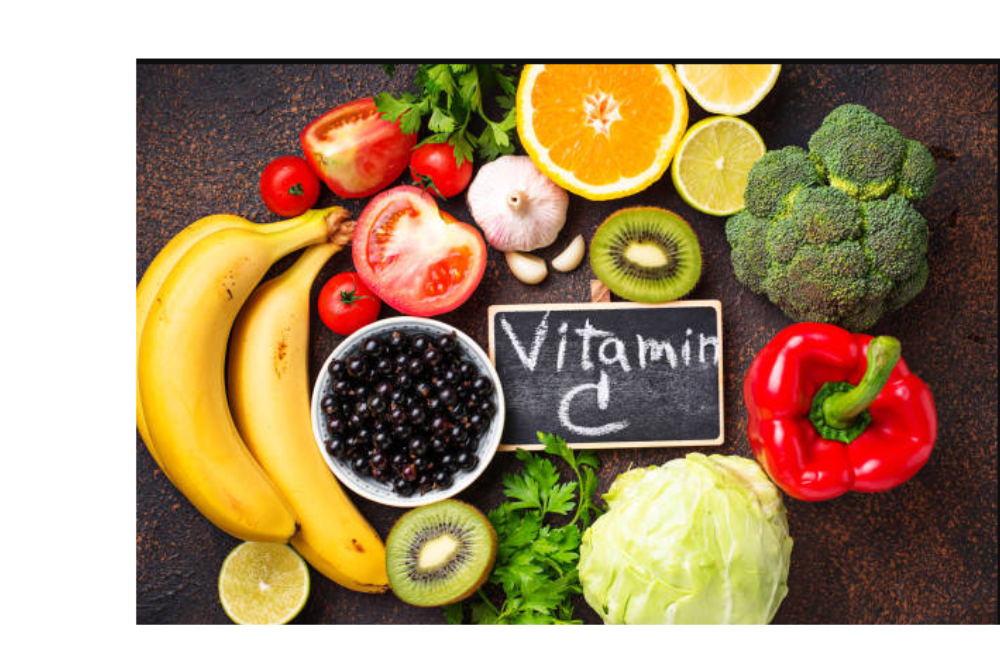
Researchers say the next step is tracking how changes in vitamin C levels over time correspond to changes in brain structure and cognitive performance, along with a closer look at how other lifestyle factors might play a role. In the meantime, the practical message lines up with longstanding nutrition advice. Foods like oranges, strawberries, bell peppers and broccoli are reliable sources of vitamin C, and pairing them with a varied diet and regular physical activity remains the foundation of brain health advice for people of any age. For now, the study adds vitamin C to the growing list of everyday habits that may help keep the aging brain a little sharper for a little longer.