A study of 90,000 people found a hidden link between daily habits and cellular aging
Most advice about aging well focuses on what shows up in the mirror. A large new study points somewhere deeper, into the blood itself, and finds that two ordinary habits, daily movement and nightly sleep, may shape how the body ages at the cellular level. The habits are familiar to everyone, how much you move and how well you sleep.
Researchers funded by the National Institutes of Health, led by Dr. Cameron McAlpine of the Icahn School of Medicine at Mount Sinai, published the work June 10 in the journal Nature. They examined physical activity and blood data from more than 90,000 people in the UK Biobank study and the All of Us research program, a scale that gives the findings unusual weight.
What the study measured beneath the surface
The team studied a process called clonal hematopoiesis, in which blood-forming stem cells pick up mutations over time and multiply. The buildup is tied to a higher risk of cardiovascular trouble, making it a quiet but meaningful window into how the body is aging where no mirror can reach.
People who logged more moderate-to-vigorous activity each day were less likely to carry clonal hematopoiesis caused by common mutations in several genes. The pattern held across a huge and diverse population, which is exactly what separates a real signal from statistical noise.
How sleep enters the longevity equation
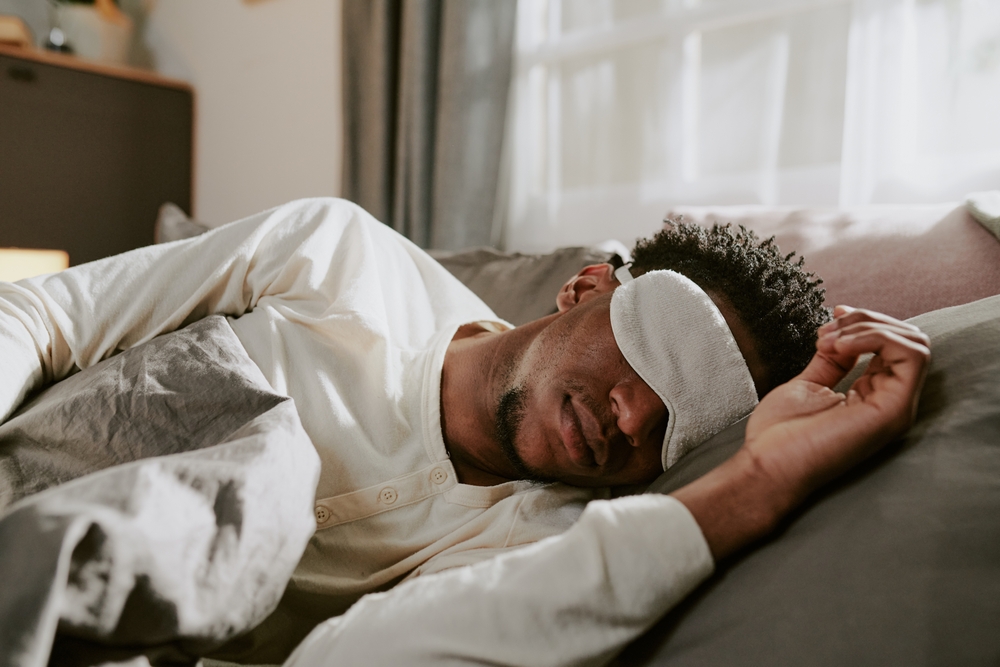
Movement was only half the story. In follow-up experiments with mice, the researchers looked at how both sleep and exercise influenced the same blood changes. Together the two habits appeared to shape the trajectory of clonal hematopoiesis and, by extension, cardiovascular health.
The message is that these are not isolated wellness tips. Sleep and exercise seem to work as a pair, each reinforcing the other in ways that ripple outward to the heart and to the aging process itself. One without the other leaves part of the benefit on the table.
Why small habits carry long payoffs
The appeal here is that neither habit requires money, gadgets, or extreme discipline. Daily moderate-to-vigorous activity was linked to fewer risk-related blood mutations, and consistent, quality sleep appeared to support the same protective process. The benefits reached the cardiovascular system, not just general fitness, and they showed up across tens of thousands of ordinary lives.
There is something freeing in that. For a culture chasing exotic hacks and pricey supplements, the study is a grounding reminder that the most powerful tools for a long healthspan may be the least glamorous ones, repeated night after night and day after day. Improvements do not arrive overnight, but they compound quietly across years.
Rethinking what a long life really takes
There are limits worth noting. Part of the work relied on mice, and the human data shows association rather than airtight cause and effect. Not every mutation responded to exercise, which means the picture is more layered than a single headline can capture.
Still, the direction is clear and consistent. Two habits within nearly everyone’s reach appear to influence aging at a level most people never consider. In a field crowded with expensive promises, the science keeps circling back to the same humble advice, move your body and protect your sleep. The payoff may not be visible in a mirror, but it could be unfolding quietly in the blood, shaping how long and how well the years ahead actually feel.