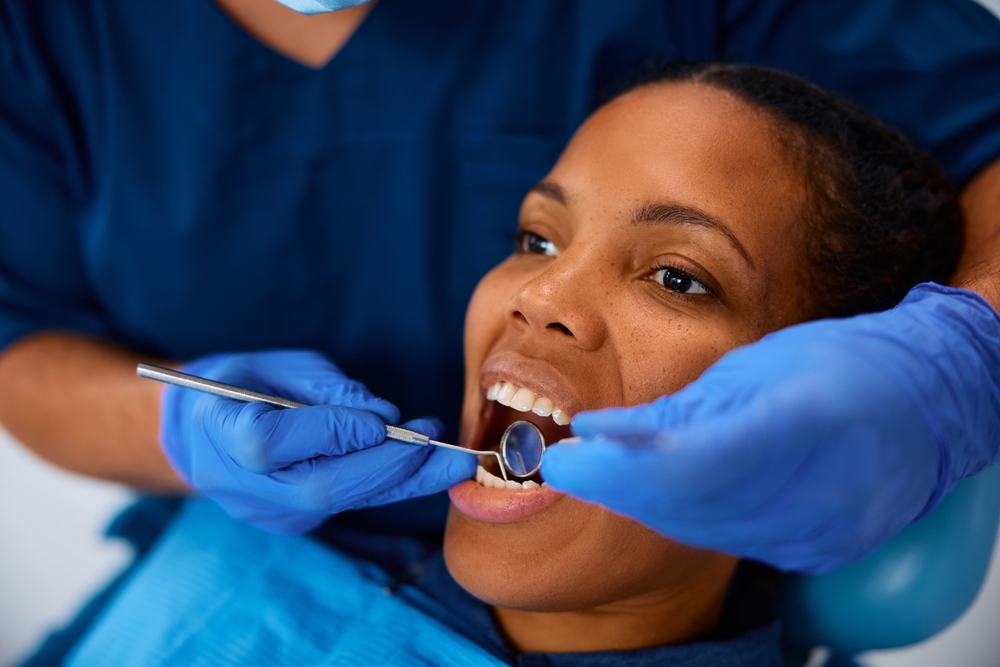
As medications such as Ozempic, Wegovy, Mounjaro and Zepbound become increasingly familiar to patients, a new phrase has made its way across social media: “Ozempic teeth.”
The term is used to describe various dental concerns people may notice while taking GLP-1 medications, including dry mouth, cavities, sensitivity, enamel erosion and changes in the appearance of their smile.
Dentists emphasize that the phrase is not a recognized medical diagnosis. There also is not strong evidence that GLP-1 medications directly harm healthy teeth.
Instead, several factors surrounding treatment may influence oral health. These include reduced fluid intake, dry mouth, nausea, vomiting and acid reflux.
1. Dry mouth may be an important factor
Saliva plays a major role in maintaining a healthy mouth. It helps clear food particles, supports the mouth’s natural defenses and helps neutralize acids that can affect tooth enamel.
Some people taking GLP-1 medications may experience a drier mouth. Reduced appetite, feeling full for longer periods or gastrointestinal symptoms may also mean they drink less throughout the day.
Lower fluid intake can contribute to reduced saliva production. Over time, persistent dry mouth may make cavities, sensitivity and gum irritation more likely.
For anyone experiencing ongoing dryness, dentists recommend discussing the symptom with a health care professional rather than assuming the medication itself is directly responsible for a dental change.
2. Vomiting and reflux can affect enamel
Another potential connection involves stomach acid.
Repeated vomiting or acid reflux can expose teeth to gastric acid. Because enamel can be softened by acid, frequent exposure may contribute to erosion over time.
This is one reason dentists say people experiencing repeated vomiting or reflux should pay attention to changes in their teeth and discuss persistent symptoms with their medical and dental providers.
One practical tip is especially important: Don’t brush immediately after vomiting. Rinsing the mouth with water first allows the mouth to recover before brushing with fluoride toothpaste later.
3. Diabetes can also play a role
The relationship between GLP-1 medications and oral health can be difficult to separate from a person’s overall health.
Many people use these medications to manage Type 2 diabetes, and diabetes itself can influence oral health. Poorly controlled blood sugar can be associated with gum problems, dry mouth and a greater likelihood of certain oral concerns.
At the same time, better blood sugar management may support healthier gums.
That means a dental change after starting a GLP-1 medication may have several possible contributing factors rather than one clear explanation.
4. Weight loss may change your smile’s appearance
Not every noticeable change around the mouth involves the teeth themselves.
Significant weight loss can reduce volume in the cheeks and lips, changing the way the soft tissue frames a person’s smile. As a result, teeth may appear more prominent or elongated even when their actual size has not changed.
This distinction is important for anyone who notices a difference in their appearance during substantial weight loss.
5. Good dental habits still matter
Dentists say people taking GLP-1 medications generally do not need an entirely different oral-care routine simply because they take the medication.
Brushing twice a day with fluoride toothpaste, cleaning between the teeth daily, drinking enough water and maintaining regular dental appointments remain important.
For people experiencing persistent dry mouth or an increased likelihood of cavities, a dentist may recommend additional fluoride products or an alcohol-free mouth rinse based on individual needs.
6. Dental visits should be personalized
There is no universal recommendation that everyone taking Ozempic, Wegovy, Mounjaro or Zepbound needs dental appointments more frequently.
Instead, dentists can consider symptoms and individual risk factors. Someone experiencing persistent dry mouth, frequent vomiting, reflux, new cavities, sensitivity or gum concerns may benefit from closer monitoring.
For others, the usual dental schedule may be appropriate.
The bottom line
The phrase “Ozempic teeth” may sound like a specific condition, but dentists stress that it is not an official diagnosis. Current evidence does not establish that GLP-1 medications directly harm healthy teeth.
Instead, oral concerns may be connected to factors such as dry mouth, reduced hydration, vomiting, reflux, diabetes or changes that accompany substantial weight loss.
For people taking GLP-1 medications, staying hydrated, maintaining good dental hygiene and keeping regular appointments can help support a healthy smile. Anyone noticing persistent changes should bring them up with a dentist and health care professional so the underlying cause can be evaluated.