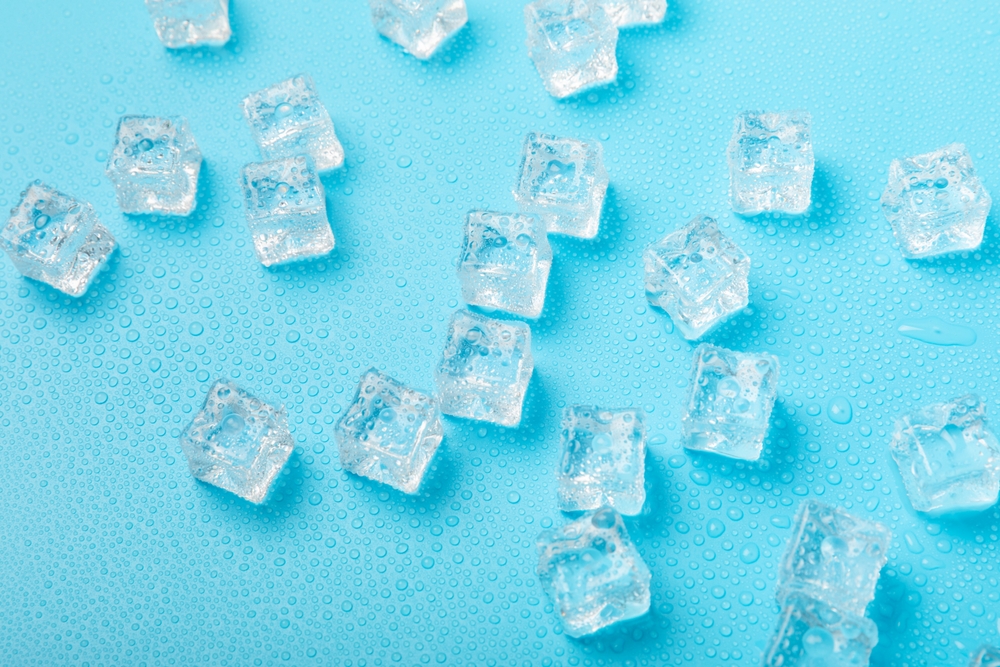
A persistent urge to chew or suck on ice usually points to one of two things, an iron shortage in your blood or a compulsive condition called pica, and figuring out which one it is starts with paying attention to how intense and prolonged the craving actually is. Wanting ice on a hot day isn’t a concern. Wanting it constantly, thinking about it throughout the day, or feeling unable to stop, is different, and it’s worth taking seriously.
The science behind why iron deficiency makes you crave ice
Here’s a detail that rarely makes it into most articles on this topic. Researchers have found a genuinely interesting explanation for why iron-deficient people specifically crave ice rather than any other cold thing. A study led by clinical psychologist Melissa Hunt found that when iron-deficient participants chewed ice before taking an attention test, they performed just as well as people with normal iron levels, but iron-deficient participants who drank lukewarm water instead performed noticeably worse.
The theory is that chewing ice triggers a version of the mammalian diving reflex, the same response that redirects blood flow to a whale’s core organs underwater, sending extra oxygenated blood to the brain and creating a short burst of alertness. People with iron deficiency have described the habit as feeling like their version of a cup of coffee, something they reach for just to feel functional rather than as a craving for taste or texture.
How pica differs from just liking ice
Pica is a recognized condition involving a compulsion to eat things with no nutritional value, including ice, clay, or paper, and it’s classified as related to obsessive-compulsive patterns. The ice-specific form is called pagophagia, and it becomes a diagnosable concern when the craving lasts more than a month and starts consuming real time and mental energy. Some people fixate on a specific texture, wanting shaved ice or frost scraped straight from a freezer wall, while others simply want an ice cold drink in hand at all times. The line between preference and pagophagia comes down to whether the urge feels like a compulsion you can’t easily set aside.
Who’s most at risk
Iron deficiency and pagophagia show up together often enough that researchers consider the connection meaningful, even if the exact mechanism isn’t fully settled. People who are pregnant, menstruating heavily, or who rely on cow’s milk or low-iron diets face a higher risk, and pregnant women in particular are advised to bring this up with a doctor quickly since it can signal anemia that needs treatment. The habit also shows up in connection with autism, dementia, OCD, and occasionally emotional stress on its own, without any nutritional deficiency involved at all.
Why the habit is riskier than it looks
Chewing ice regularly can crack or weaken tooth enamel, leading to dental damage that’s expensive and difficult to reverse. There’s also a quieter risk, ice can end up replacing actual food in a person’s day, which matters if the craving intensifies into something closer to disordered eating rather than a simple habit.
What treatment actually looks like
The fix depends entirely on the cause. If iron deficiency is behind it, supplements are usually the first step, and in more serious cases a doctor may recommend an iron infusion or other medical treatment, often resolving cravings within days to a couple of weeks. If the craving is rooted in stress, OCD, or another psychological pattern, cognitive behavioral therapy tends to be the more effective route, helping identify and shift the thought patterns driving the compulsion rather than treating it as a nutritional issue.
When to see a doctor
If ice cravings have lasted more than a month, a conversation with a primary care provider is the right next step, and being upfront about how often and how intensely the craving hits matters, since many providers don’t automatically screen for pica unless a patient brings it up first. A simple blood test can rule iron deficiency in or out fairly quickly, which narrows down the right path forward.