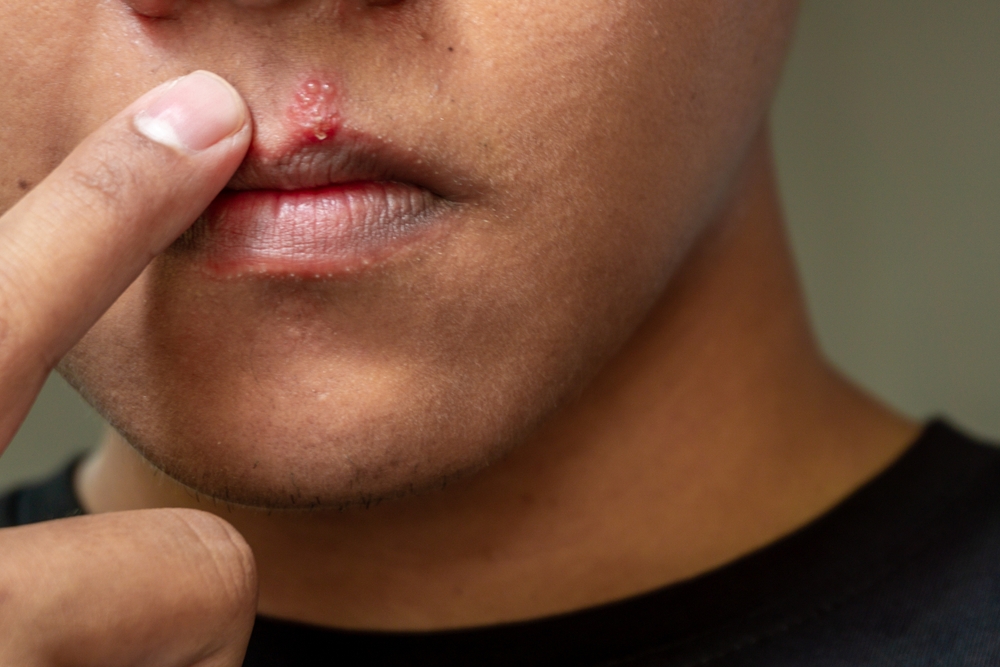
Cold sores keep coming back because the virus that causes them, herpes simplex virus type 1, or HSV-1, stays in your body for life. After the first infection, it hides in the nerves near your lips. Later, triggers like stress, illness, sun, hormones or lack of sleep can wake it up, sending it back to the skin as a new blister. There’s no cure, but daily prescription antivirals can greatly reduce how often outbreaks happen.
The virus is extremely common. The World Health Organization estimates that about 3.7 billion people under 50, roughly two-thirds of that age group, carry HSV-1. Many people never get a sore, while others get them several times a year.
Why do cold sores keep coming back?
Most people catch HSV-1 in early childhood, often from a kiss from a relative, even though sores may not appear until after puberty. Once inside the body, the virus travels to nerve cells and stays there. When something weakens your defenses, it moves back along the nerve and causes a new blister. Each outbreak usually heals on its own within one to two weeks.
The virus can spread even when there’s no visible sore, though it spreads most easily when blisters are present. Sharing cups, utensils, lip balm or razors and kissing can all pass it on.
What triggers cold sores most often?
The most common triggers are emotional stress, colds, flu and fever, which is why cold sores are also called fever blisters. Strong sunlight, wind and cold weather can also set them off, along with menstruation, pregnancy and other hormone changes. Poor sleep and injuries to the lips, including cracked lips, dental work and cosmetic procedures, are also common triggers.
People with weakened immune systems, including those living with HIV, receiving chemotherapy or recovering from organ transplants, are at higher risk of frequent or severe outbreaks. Eczema and psoriasis can also raise the risk. According to Superdrug’s online doctor service, there’s no strong evidence that specific foods or allergies cause flare ups.
What treatments stop cold sores from returning?
Prescription antivirals work best. Acyclovir, valacyclovir and famciclovir can shorten an outbreak when taken at the first tingle or burning feeling. Doctors often recommend daily suppressive therapy for people who get frequent outbreaks, sometimes defined as six or more a year. Antiviral creams can help if applied early, but pills are usually more effective.
To ease discomfort, try cold compresses, drugstore pain relievers and cold sore creams that dry out the blister. Atlanta dermatologists at Medical Dermatology Specialists also offer laser therapy for pain and healing. Some people use lysine supplements, but the evidence is limited.
Could treating cold sores protect your brain?
This is the newest and least discussed part of the research. A study published in February 2026 in the Journal of Drugs in Dermatology found that people who received antiviral treatment for oral HSV had a 13% to 17% lower risk of later developing Alzheimer’s disease or dementia. In October, University of Colorado Anschutz researchers reported in PLOS Pathogens that HSV-1 can change how the brain’s immune cells behave, which may be linked to chronic inflammation.
Experts stress that neither study shows cold sores cause Alzheimer’s. The findings show associations and need more research. Most people with HSV-1 never develop dementia, but researchers say the findings are worth watching.
How can people with darker skin protect against cold sores?
People with darker skin can be left with dark spots after a sore heals, a condition called post-inflammatory hyperpigmentation. These marks can last for months. Using SPF lip balm every day helps prevent sun-triggered outbreaks and keeps healing skin from darkening further. Not picking at sores also lowers the risk of infection and lasting marks.
When should you see a doctor about cold sores?
See a doctor if you get frequent outbreaks, sores that don’t heal within two weeks, sores near your eyes or if you have a weakened immune system. A doctor can help you identify your triggers and decide whether daily antiviral treatment is right for you.