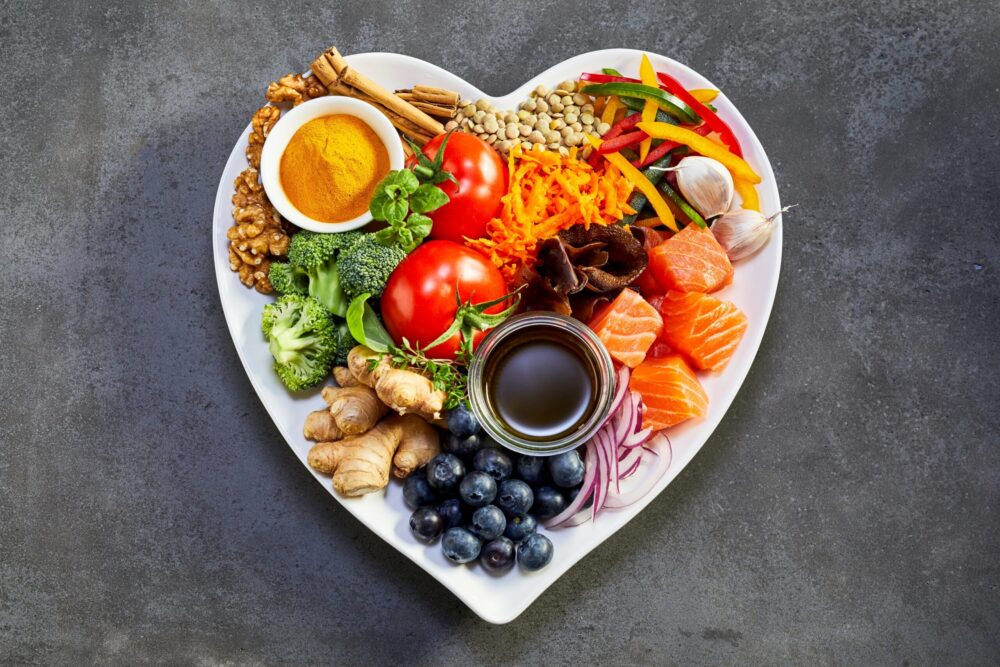
Does eating more plants actually lower heart disease risk after menopause? A new analysis says yes, and the number is substantial. Women who most closely followed the Planetary Health Diet had a 28% lower risk of cardiovascular disease compared with women who followed it least, according to findings presented at NUTRITION 2026, the annual meeting of the American Society for Nutrition.
What did researchers actually study?
The team, led by Donya Shahamati, a doctoral student at the University of California, Irvine, analyzed data from 66,892 postmenopausal women enrolled in the Women’s Health Initiative, a long running observational cohort backed by the National Heart, Lung and Blood Institute.
Participants entered the study free of cardiovascular disease with a mean age of 63.2, and researchers tracked outcomes using a food frequency questionnaire converted into a Planetary Health Diet Index score, ranging from 35 to 123 on a possible scale of 0 to 140. Every 10 point increase in that score corresponded with a further drop in cardiovascular and coronary heart disease risk, not just an effect that showed up at the top of the scale.
Is this diet the same thing as going vegan?
No, and that’s a common misunderstanding worth correcting. The Planetary Health Diet was originally proposed by the EAT Lancet Commission as a pattern meant to support both human health and a sustainable food system. It leans heavily on vegetables, fruits, whole grains, legumes, nuts and unsaturated fats, while limiting red and processed meats, added sugars, refined grains and saturated fats. Moderate amounts of fish, dairy and meat still fit inside it.
Researchers adjusted their analysis for age, race, education, income, smoking, physical activity, body weight and total calorie intake, which strengthens the case that the diet pattern itself, not just healthier habits generally, is driving the association.
Why does this matter more for Black women specifically?
This is where the study connects to something bigger than one research poster. Black women already carry the heaviest cardiovascular burden of any group in the country, with the highest rate of high blood pressure of any population studied, and only about 36% aware that heart disease is their single greatest health risk.
That gap between actual risk and awareness is part of why a diet shown to lower cardiovascular events by nearly a third deserves wider attention in Black communities specifically, not just as general nutrition news. The catch is access. Women living in food deserts, where the nearest grocery options are convenience stores and fast food, face real structural barriers to eating this way regardless of how motivated they are.
What do experts want people to take from this?
Dr. Thomas Holland, a physician scientist not involved in the study, noted that research focused specifically on older women carries extra weight because cardiovascular risk accelerates after menopause as cholesterol, blood pressure and metabolism shift. Dr. Eamon Laird added that the estrogen decline tied to menopause affects cholesterol, fat distribution and vascular function directly, which is part of why diet quality matters more in this stage of life. Both researchers cautioned that the findings come from observational data and haven’t yet cleared full peer review, meaning the results show a strong association rather than definitive proof of cause and effect.
What’s a realistic place to start?
Nobody involved in this research is recommending an overnight overhaul. Small, sustainable swaps carry the most weight over time. That includes filling half a plate with vegetables at meals, choosing oatmeal or whole grain bread over refined versions, adding one legume based meal a week and using olive oil in place of butter where possible. Researchers emphasized that consistency beats intensity, and that dramatic short term diet changes tend to fade while smaller repeated habits stick.