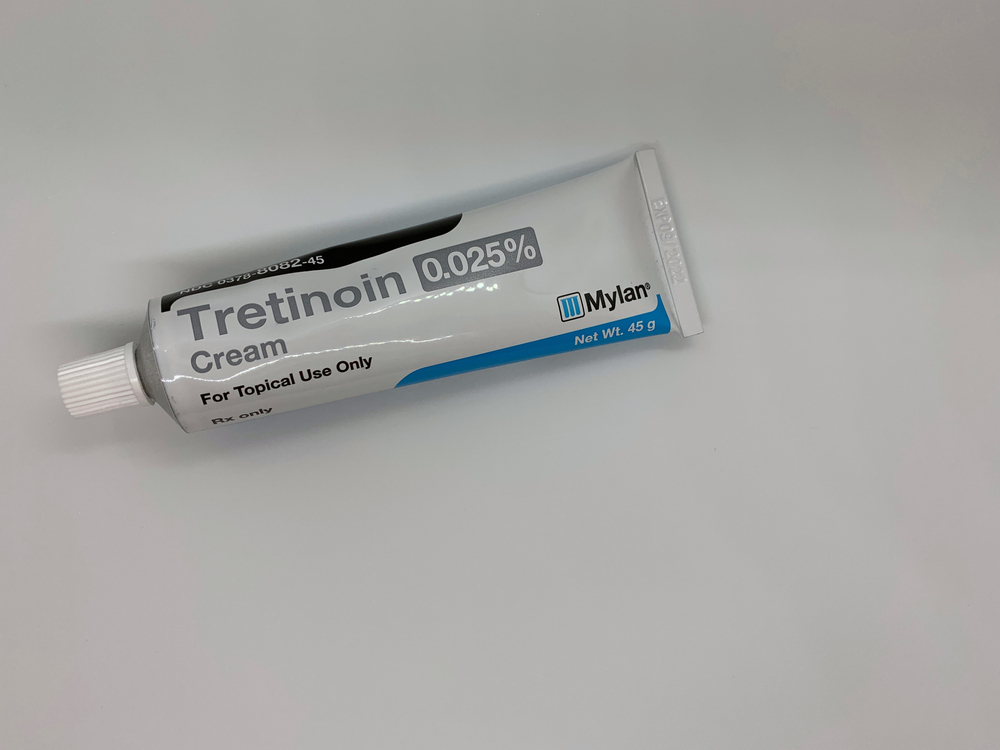
Acne is one of the most common skin conditions, affecting a large share of people in their teenage years and often continuing into adulthood. For many, the concern does not end with breakouts. The marks left behind can linger long after active acne fades. In dermatology, one of the most studied treatments for both issues is Tretinoin.
Originally developed as a prescription strength retinoid, tretinoin has become a cornerstone in acne care. Its effects go beyond surface level treatment, working within the skin to influence how cells renew and repair.
Tretinoin and how it reshapes acne treatment
Tretinoin works by increasing skin cell turnover. This means older cells are shed more quickly while newer cells rise to the surface. The process helps prevent pores from becoming clogged, which is one of the main drivers of acne formation.
It also reduces inflammation within the skin. This dual action makes it useful not only for active breakouts but also for preventing future ones. Over time, the skin begins to function with less congestion and fewer recurring flare ups.
Unlike quick fix treatments that target surface bacteria or dryness, tretinoin changes how the skin behaves over time. That is part of why results are gradual rather than immediate.
Tretinoin and the science behind acne scars
Acne scars form when inflammation damages deeper layers of the skin. As the body repairs itself, the process can become uneven. This imbalance leads to visible changes in texture that may remain long after acne clears.
Collagen plays a central role in this process. It provides structure and support for the skin as it heals. When collagen production is disrupted, different types of scarring can appear. Lower collagen activity can lead to depressed or pitted scars, while excess production can create raised tissue.
Tretinoin supports skin renewal by encouraging collagen remodeling over time. This does not erase scars quickly, but it can gradually soften their appearance and improve overall texture.
Tretinoin requires consistency to work
One of the most important aspects of tretinoin use is patience. Skin changes do not happen overnight. Most users begin to notice improvements after several weeks, while more visible changes to scarring can take months.
Early use often comes with a period of adjustment. The skin may appear drier or slightly irritated before it improves. Some people also experience temporary increases in breakouts as the skin accelerates its turnover cycle.
This phase can be discouraging, but it is a known part of the process. The skin is essentially reorganizing how it sheds and rebuilds itself.
Tretinoin application and routine care
Tretinoin is typically applied at night. This reduces exposure to sunlight and allows the product to work without interference from other daytime products.
A small amount is usually enough. A thin layer spread across affected areas is preferred over heavy application. After applying, moisturizing helps reduce dryness and supports skin comfort during adjustment.
Because the skin becomes more sensitive during treatment, sunscreen becomes essential during the day. UV exposure can increase irritation and counteract progress if protection is not consistent.
Tretinoin side effects and skin adaptation
During early use, the skin may respond with dryness, redness, or mild peeling. These effects are often temporary and tend to improve as the skin adjusts.
Some people also report increased sensitivity, especially to sunlight and certain skincare ingredients. Harsh exfoliants or strong alcohol based products can intensify irritation and are often avoided during treatment.
Dermatologists usually recommend starting slowly. Using tretinoin a few times per week before moving to nightly use allows the skin to build tolerance more comfortably.
Tretinoin works best with medical guidance
Because skin types and acne severity vary, professional guidance is important. A dermatologist can help determine whether Tretinoin is appropriate and how it should be introduced into a routine.
In some cases, alternative treatments may be considered if irritation is persistent or results are limited after several months. Combination approaches are also common, depending on the condition of the skin.
Tretinoin as a long term skin solution
Tretinoin is not designed as a quick correction. Its strength lies in gradual transformation. By influencing how the skin renews itself and supporting collagen remodeling, it addresses both active acne and long standing marks.
For many users, the process requires adjustment and consistency. But over time, the changes can be meaningful, not only in appearance but also in confidence and comfort with skin health.