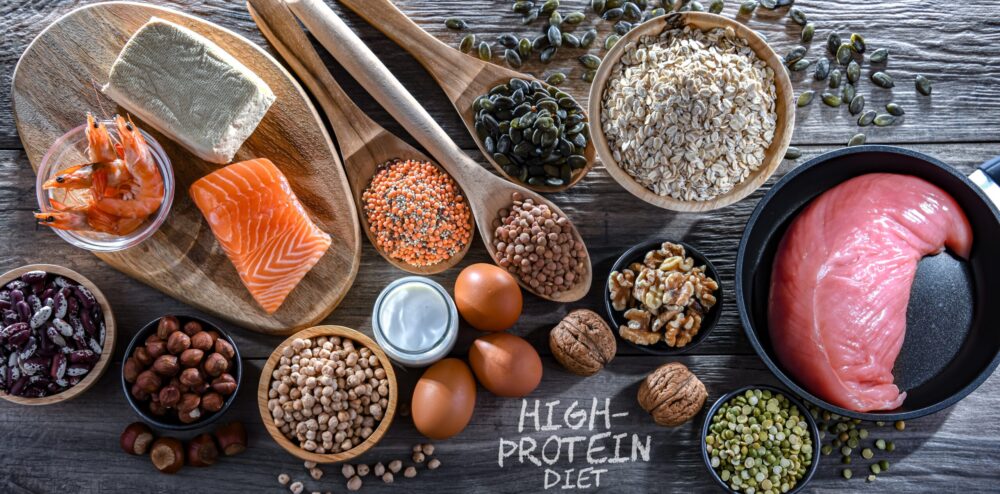
Protein has become the nutritional conversation of the moment, backed by research that is difficult to dismiss. From gym communities to clinics to mainstream grocery store shelves, the discussion has shifted from how much is enough to how precisely it can transform body composition, metabolic health, and the quality of how people age. That shift is meaningful and the science holds up.
The recommended daily allowance for protein, long set at a level designed to prevent deficiency rather than support optimal function, is increasingly being challenged by nutrition researchers who argue it significantly underestimates what the body needs to maintain and build muscle, support immune function, and regulate appetite effectively. The gap between preventing deficiency and genuinely thriving turns out to be considerable, and protein sits at the center of it.
What protein does that no other nutrient can replicate
Protein is uniquely positioned in human metabolism because it performs functions that fats and carbohydrates simply cannot substitute for. It provides the amino acid building blocks that make it unique that the body uses to repair and construct tissue, synthesize hormones and enzymes, and maintain immune competency. It is also the most satiating of the three macronutrients, meaning that adequate intake reduces hunger signals more reliably and for longer than equivalent calories from fat or carbohydrate sources.
The satiety effect is particularly significant in a food environment dominated by hyper-palatable, nutrient-poor processed foods. Research consistently finds that people who meet their targets experience less afternoon energy crashes, fewer late-night cravings, and more stable mood across the day. These are not minor quality-of-life improvements. They represent a metabolic environment in which healthier choices become easier to make and sustain.
Why protein timing matters as much as total intake
One of the more practically useful findings from recent nutrition research concerns not just how much protein people eat but when. Spreading intake evenly across meals, rather than concentrating it at dinner as most Western eating patterns do, significantly improves the body’s ability to synthesize muscle protein throughout the day. A breakfast containing 30 grams of this nutrient produces a very different metabolic signal than one containing 10, even if total daily consumption ends up similar.
This matters especially for two groups: people trying to improve body composition and older adults working to preserve muscle mass. After approximately age 30, the body requires more dietary intake to stimulate the same degree of muscle synthesis that lower amounts could achieve earlier in life. Front-loading food earlier in the day works with the body’s anabolic sensitivity patterns, producing better results than the same intake consumed predominantly at night.
How the protein conversation has changed at the grocery level
The cultural reach of the protein conversation is now visible in ways that go beyond supplement aisles and fitness communities. Standard grocery categories from yogurt to bread to snack bars are being reformulated to highlight their content, and consumer purchasing data shows that this has become one of the top label considerations across multiple food categories.
This mainstreaming of protein awareness reflects a genuine shift in nutritional literacy, though it also creates space for marketing to outpace science. Not all sources are equal. Animal-based options tend to provide complete amino acid profiles that plant sources must be carefully and thoughtfully combined to replicate over the course of the day. Highly processed fortified snack foods often come with sugar and additive loads that complicate their net health contribution. Understanding what genuine quality sourcing actually looks like remains an important layer of nutritional intelligence.
Why this matters for how you eat today
This nutritional moment is not a trend in the sense that it will pass and be replaced by something else. It reflects a maturing understanding of what the body actually needs across a lifetime, not just in athletic performance contexts. Eating adequate amounts consistently, spread across meals and from quality whole foods, is one of the highest-return dietary investments available to almost anyone regardless of age or fitness level.