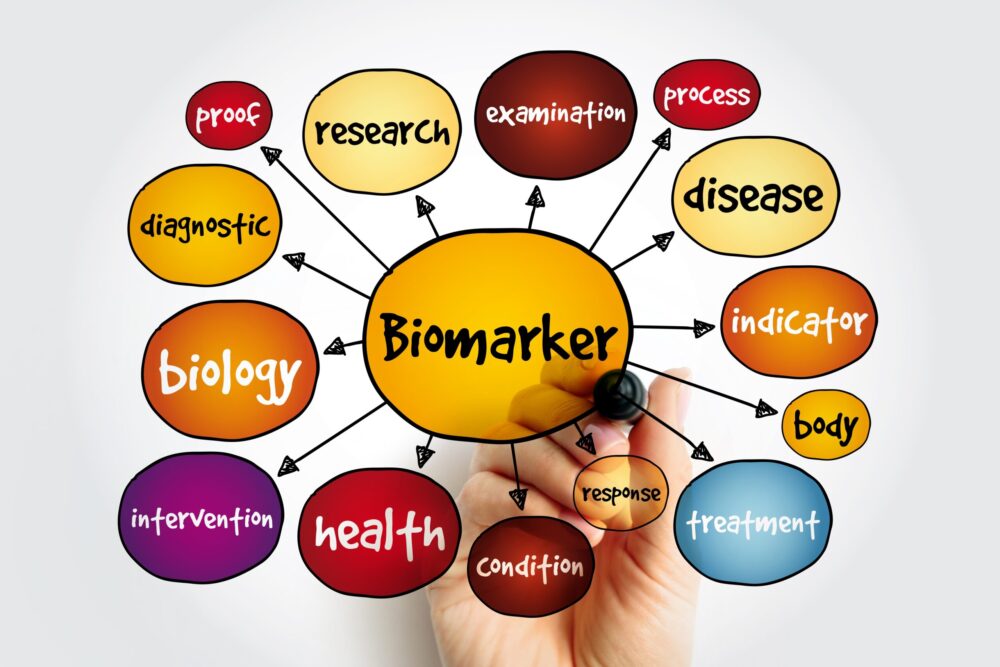
Biomarkers are quietly becoming one of the most important words in modern health, and most people have never seriously engaged with what their own reveal. A biomarker is any measurable biological indicator, and the range of biomarkers available to track today is broader than most people realize. Blood glucose, inflammatory proteins, hormone concentrations, cholesterol fractions, vitamin levels, cortisol patterns: these are not abstract clinical numbers. They are the body’s ongoing biomarker report card, and they are available to anyone willing to look.
The shift toward biomarker-based health intelligence represents one of the most significant changes in how people relate to their own wellbeing. For most of medical history, this kind of data was only accessible during illness, ordered by a physician trying to diagnose something that had already gone wrong. What is changing now is the direction of that relationship. People are using biomarkers proactively, to understand their body before symptoms appear rather than after, and the difference in health outcomes that distinction produces is substantial.
Why biomarkers tell a story that symptoms cannot
Symptoms are late. By the time the body produces a feeling that is recognizable as a health problem, something has usually been building for months or years beneath the surface. Biomarkers capture what is happening at the cellular and hormonal level long before that surface disruption occurs. Elevated fasting insulin, for example, can indicate developing insulin resistance years before a blood sugar reading crosses into prediabetic range. Elevated high-sensitivity C-reactive protein signals chronic inflammation that significantly raises cardiovascular risk without producing any noticeable feeling at all.
This is the core value of biomarker tracking: it converts invisible biological processes into actionable information. A person who reads their biomarkers and sees elevated inflammatory markers can address diet, sleep, and stress patterns before those markers translate into cardiovascular disease or autoimmune dysfunction. That kind of early course correction is orders of magnitude more effective than treating the disease after it has established itself.
What the shift to personalized health actually looks like
Personalized health powered by biomarkers, once confined to research papers and elite biohacking communities, has moved into the mainstream with remarkable speed. At-home testing kits, functional medicine providers, and direct-to-consumer lab services now allow people to access comprehensive biomarker panels without a physician referral, at a cost that has dropped significantly over the past several years.
The most useful panels go beyond the standard cholesterol and glucose readings that most annual checkups include. They examine biomarkers of hormone balance across the full spectrum, including thyroid function, sex hormones, and cortisol patterns. They assess nutrient status, including commonly deficient markers like vitamin D, magnesium, and omega-3 fatty acids. They measure metabolic efficiency, inflammatory load, and in some cases, early markers of cellular aging. Together, these numbers create a biological portrait that no symptom checklist or wellness quiz can approximate.
How to actually use what the data shows
The value of biomarker data is only realized when it is paired with meaningful action. Understanding that a vitamin D level is suboptimal or that inflammatory markers are trending upward is the beginning of the process, not the end. What the data does is make the connection between daily habits and biological outcomes concrete rather than theoretical.
Someone who sees their cortisol pattern is dysregulated now has a specific and measurable reason to prioritize stress management rather than treating it as a vague wellness suggestion. Someone whose lipid fractions reveal a suboptimal particle pattern has a basis for targeted dietary change rather than generic heart-health advice. The specificity of biomarker feedback changes the quality of health decisions in ways that general wellness guidance simply cannot.
The intelligence shift that changes everything
Health IQ has historically been defined by what a person knows about health in general. The emerging definition is more personal and considerably more powerful: it is what a person knows about their own biology specifically. Biomarkers are the foundation of that shift. They move health from a reactive experience into a biomarkers-informed practice, something that happens to the body, to a proactive practice, something the informed person actively shapes. The body has been generating this biomarker data all along. The question is whether anyone is paying close enough attention to use it.