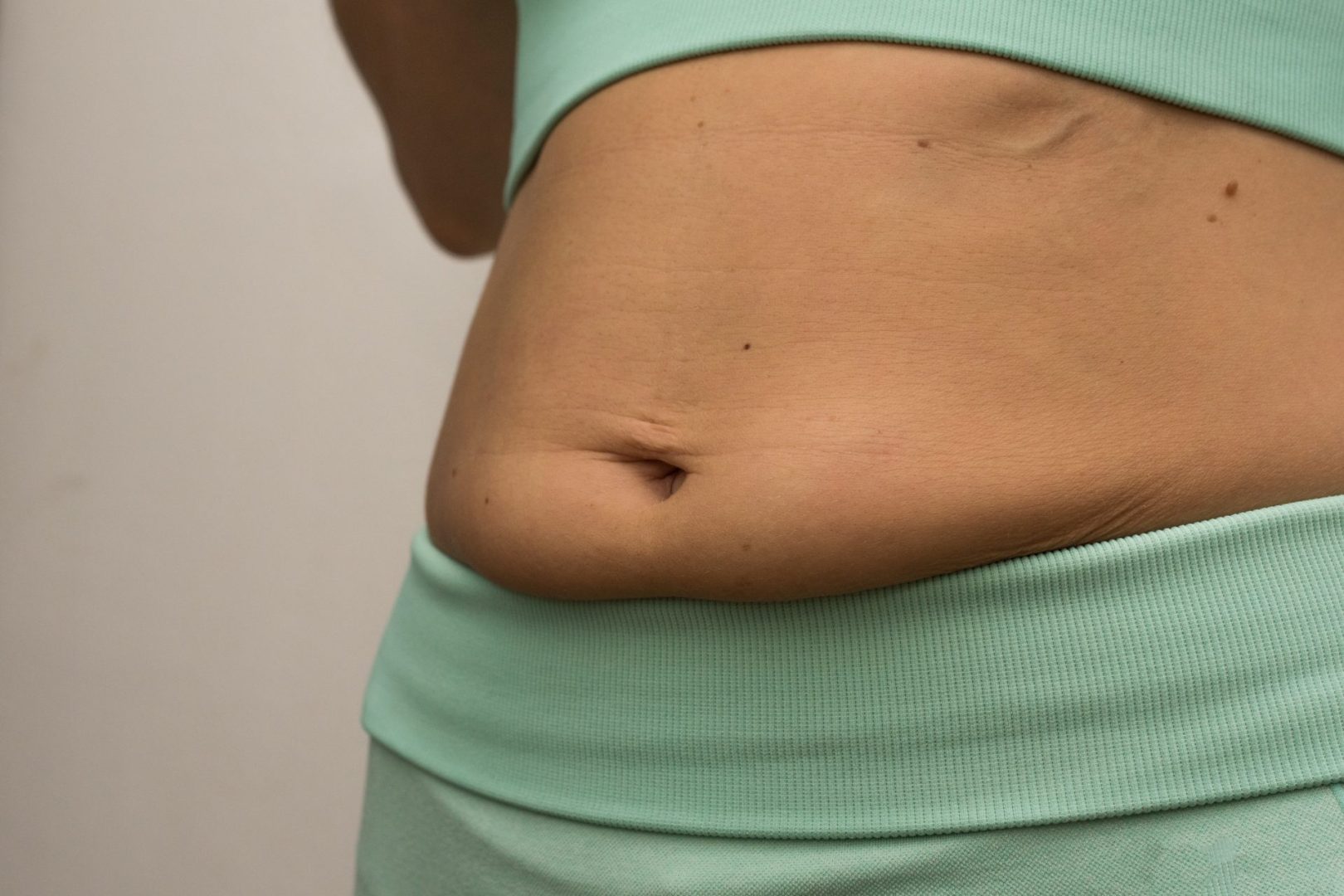
Nobody hands you a complete roadmap when dealing with pregnancy for the first time. The changes that follow childbirth, including what happens to your skin, are often discovered in real time and processed privately. Loose skin around the midsection is one of the most common postpartum experiences, and yet it remains one of the least openly discussed. The reality is that for many women, especially those who have had multiple pregnancies, some degree of skin laxity is simply part of what the body retains from the experience of growing a child.
Understanding why it happens, and what it means for your skin going forward, starts with looking at what pregnancy actually asks of the body.
What happens beneath the surface during pregnancy
As the body expands to accommodate a growing baby, skin stretches across the abdomen, breasts, hips, and thighs. That stretching places real stress on the collagen and elastin fibers living deep in the dermis, the structural proteins responsible for keeping skin firm, resilient, and able to return to its original shape. When that stretching happens rapidly and is sustained over many months, those fibers can become damaged or disrupted, and the skin loses some of its ability to fully recoil after delivery.
The degree to which this happens varies widely from person to person. Genetics play a significant role, as does the amount of weight gained during pregnancy, age at the time of delivery, whether the pregnancy involved multiples, and how many pregnancies a woman has had previously. Two people can go through nearly identical pregnancies and emerge with notably different skin outcomes.
Stretch marks are a visible sign of this same process. They form where collagen and elastin fibers have torn under the pressure of rapid stretching, leaving marks that fade over time but rarely disappear completely.
What to expect in the postpartum period
The postpartum body is not a uniform experience. Some women notice significant softness and sagging, particularly around the abdomen, within the first weeks after delivery. Others see changes that feel less dramatic. What most will find, regardless of where they fall on that spectrum, is that the skin continues to shift and recover over the course of the first year postpartum.
That recovery is real but often incomplete. While many of the changes that come with pregnancy are not permanent, it is realistic to expect that the skin may not return fully to its pre-pregnancy state, particularly after multiple pregnancies or significant weight fluctuations. Some lasting laxity is entirely normal and extremely common, not a sign that something went wrong.
What actually helps your skin and what to be realistic about
There are choices that support the skin’s elasticity both during pregnancy and after. Staying consistently well hydrated matters because dehydration measurably decreases skin elasticity over time. Eating a diet rich in vitamin C, vitamin E, zinc, and protein helps support collagen production from within. Keeping the skin moisturized with ingredients like hyaluronic acid, shea butter, or centella asiatica can help maintain the skin barrier and improve resilience, though no topical product can fully prevent stretching from occurring in the first place.
Gradual weight gain during pregnancy, within the range a doctor recommends, can reduce the degree of rapid stretching the skin has to accommodate. And over the longer term, incorporating a retinoid into a skincare routine after breastfeeding has ended can help stimulate collagen production and improve firmness gradually.
Giving yourself the grace the moment deserves
Perhaps the most underemphasized piece of this conversation is the emotional one. The postpartum body has accomplished something extraordinary, and the skin it carries afterward reflects that. Patience, self-acceptance, and releasing expectations around how quickly or completely the body recovers are not just platitudes. They are genuinely useful orientations during a period that is already demanding in so many other ways.
For those who find that certain changes persist and continue to feel distressing, there is no shame in exploring treatment options, including medical or surgical ones, when the time feels right. The goal is feeling comfortable in your own skin, whatever form that takes.