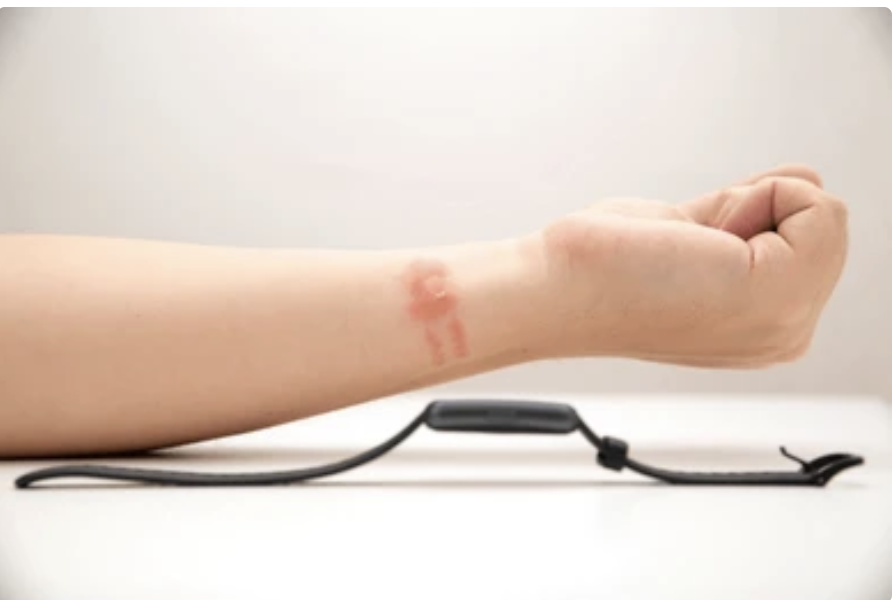
Contact dermatitis is the skin condition that produces the particular frustration of knowing something is causing a reaction and not being able to identify what it is with sufficient precision to stop it. The obvious suspects get eliminated. The products get changed. The rash persists. The cycle of avoidance and continued reaction is one of the most common presentations in dermatology practice, and the research explaining why it happens is more illuminating than the avoidance advice most sufferers receive.
New dermatological research examining contact dermatitis patterns across a large cohort of adults with confirmed allergic and irritant contact dermatitis identified four specific findings that explain the persistence of reactions despite avoidance efforts. The findings involve hidden allergen sources, cross-reactive triggers, delayed sensitization, and the role of the skin barrier in determining who reacts and who does not.
Contact dermatitis and fragrance as the most ubiquitous hidden allergen
The most consistently identified hidden trigger in contact dermatitis research is fragrance, which appears in a significantly wider range of products than most consumers realize and under a significantly wider range of ingredient label descriptions than a simple search for the word fragrance would identify.
Research finds that fragrance allergy affects a substantial proportion of adults with allergic contact dermatitis and that the allergen is present not only in perfumes and scented personal care products but in unscented products that use masking fragrances to neutralize manufacturing odors, in household cleaning products, in laundry detergents and fabric softeners, in candles, in air fresheners, and in some topical medications including certain wound care products.
The ingredient labeling challenge is that fragrance can appear under more than 5,000 different chemical names, making identification by label reading alone practically impossible without knowledge of the specific chemicals to which sensitization has occurred. Patch testing through a dermatologist remains the most reliable way to identify specific fragrance allergens.
Contact dermatitis and nickel sensitization in unexpected product categories
The second hidden trigger finding involves nickel, which is the most common metal allergen in contact dermatitis and one that appears in product categories that most nickel-sensitive individuals have never been told to evaluate.
Beyond jewelry, which is the most recognized nickel exposure source, research finds significant nickel content in mobile phone cases and the phones themselves, belt buckles, watch straps, glasses frames, certain foods including chocolate and whole grains, and some medical devices including orthopedic implants. Adults with nickel allergy who continue to experience reactions despite eliminating jewelry may be maintaining sensitization through phone contact with facial skin during calls, belt buckle contact with abdominal skin, or dietary nickel in foods consumed daily.
Contact dermatitis and delayed hypersensitivity making trigger identification difficult
The third finding explains one of the most practically challenging aspects of allergic contact dermatitis, which is the delayed timing between allergen exposure and visible skin reaction. Unlike immediate allergic reactions that produce symptoms within minutes of exposure, allergic contact dermatitis is a type IV delayed hypersensitivity reaction that typically produces visible skin changes 24 to 72 hours after allergen contact. The time delay between exposure and reaction makes cause-and-effect identification significantly more difficult than immediate reactions, as the product responsible is often no longer in contact with the skin when the rash appears and may not be the most recently applied product in the person’s routine.
Research finds that most contact dermatitis sufferers initially suspect the last product applied before the rash appeared rather than what was applied one to three days earlier, systematically directing avoidance efforts toward the wrong products.
Contact dermatitis and the compromised skin barrier increasing sensitization risk
The fourth finding involves the role of skin barrier health in determining who develops contact dermatitis sensitization and who does not when exposed to the same potential allergens. Research finds that allergen sensitization requires penetration of the allergen through the skin barrier to reach the immune cells that initiate the allergic response. Adults with compromised skin barriers, whether from genetic factors, eczema, occupational exposure, or over-use of harsh skincare products, show significantly higher rates of contact sensitization to common allergens than those with intact barrier function, because the allergen penetration required for sensitization occurs more readily.
Protecting and restoring skin barrier function through regular emollient use and avoidance of harsh cleansers is therefore both a comfort measure and a contact dermatitis prevention strategy with mechanistic support.