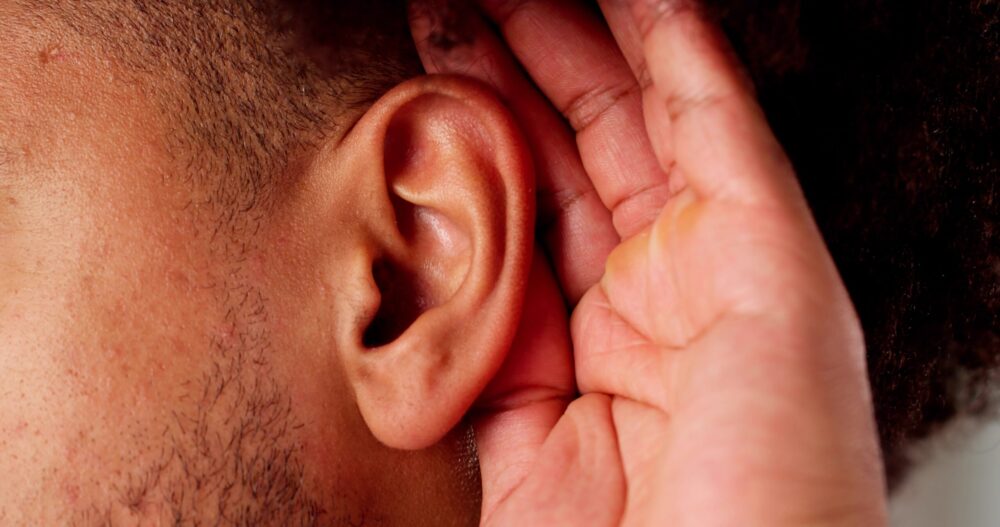
Hearing loss is one of the most prevalent and most preventable chronic conditions affecting people today, yet it receives a fraction of the public attention directed at conditions with similar prevalence and comparable consequences. More than a billion people worldwide are estimated to be at risk of noise induced auditory damage, and a growing body of research is connecting the seemingly isolated problem of losing this sense to outcomes including cognitive decline, social isolation, depression, and accelerated dementia risk that most people never associate with their ears.
The ear is not simply a passive receiver of sound. It is a complex sensory organ whose health is deeply connected to brain function, balance, and the quality of social and emotional engagement that sustains wellbeing across a lifetime. When the tiny hair cells of the inner ear responsible for converting sound into neural signals are damaged by noise exposure, infection, medication toxicity, or age related degeneration, that damage is permanent. These sensory cells do not regenerate, which makes the hearing most people take for granted irreplaceable once lost.
Why noise is the most underestimated threat to hearing health
Noise induced auditory damage is the most common preventable cause of this type of loss, and its primary vectors have expanded dramatically with the normalization of personal audio devices used at high volumes for extended periods. Research on listening habits consistently finds that a substantial proportion of young adults regularly use earbuds at volumes exceeding safe exposure thresholds, often for hours at a time. Cumulative noise exposure at levels that do not produce immediate pain still causes microscopic damage to inner ear hair cells that accumulates relentlessly over time.
Occupational noise exposure remains a significant contributor in environments including construction, manufacturing, agriculture, and entertainment. The combination of recreational and occupational noise represents an auditory health burden that is almost entirely preventable with appropriate protection and volume management practices.
What tinnitus reveals about underlying damage
Tinnitus, the perception of ringing, buzzing, or hissing sounds in the absence of any external source, affects hundreds of millions of people globally and represents one of the most common consequences of cochlear hair cell damage. For many people it is intermittent and manageable. For a significant proportion it is chronic, intrusive, and psychologically devastating, associated with anxiety, sleep disruption, and depression that compound the original problem.
Tinnitus is not a disease in itself but a symptom of underlying auditory system disruption. It signals that something in the sound processing pathway has been damaged or destabilized, and while it cannot always be eliminated, its severity is often worsened by stress, sleep deprivation, caffeine excess, and continued noise exposure. All of these amplifying factors are modifiable even when the underlying cellular damage is not.
Why hearing loss and cognitive decline are connected
Research tracking auditory status and cognitive function over extended periods consistently finds that untreated hearing loss is one of the most significant modifiable risk factors for dementia. The mechanisms likely involve multiple pathways. The cognitive load required to process degraded auditory signals depletes mental resources that would otherwise go toward memory and executive function, while social withdrawal associated with reduced hearing ability reduces the cognitive stimulation that slows neurodegeneration over time.
The finding that hearing aid use in people with significant auditory loss is associated with reduced cognitive decline has redirected how clinicians think about this treatment as a public health intervention rather than merely a quality of life accommodation. The evidence is now strong enough that auditory health deserves a prominent place in any serious conversation about dementia prevention.
What protecting your hearing actually requires
Using hearing protection in loud environments, keeping personal audio devices below sixty percent of maximum volume, scheduling regular audiological assessments, and treating ear infections promptly to prevent complications are the foundational practices of auditory preservation. None of them are burdensome. All of them are significantly underutilized by a population that will not fully appreciate what hearing meant until it is irreversibly gone.