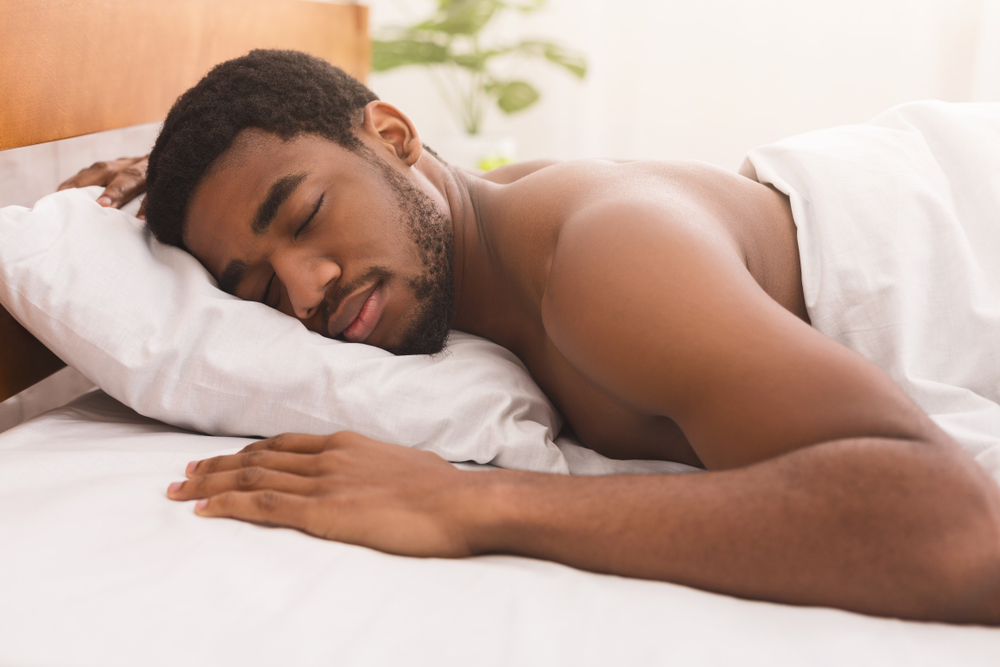
The best sleeping position for most adults is on your side, according to three sleep physicians who spoke with GQ. Side sleeping keeps the airway more open than lying on your back, and all three doctors agreed that stomach sleeping is the worst choice. For people with heartburn, the left side works best.
That advice costs nothing, and the timing is good. Clocks fall back one hour Sunday, Nov. 1, giving you an extra hour to try something new. Before you spend money on another pillow, doctors say how you lie down may matter more than what you lie on.
Why does your sleeping position matter?
Think of it as posture for the night shift. Most people would never slouch at a desk for eight hours, but few think about how they spend the same stretch in bed.
Dr. Avinesh S. Bhar, founder of the telehealth sleep practice Sliiip, says basic habits carry more weight than fancy bedding. Cutting caffeine early, easing up on alcohol, putting screens away and choosing a good position all rank high on his list.
Breathing is part of it. Dr. Roger Washington of the Sleep to Live Well Foundation links deep, full breaths to healthy circulation of lymph, the fluid that helps the immune system clear harmful substances. A 2024 article in Annals of Neuroscience notes that sleep is when immune cells move into the lymph nodes to fight inflammation.
What is the best sleeping position for sleep apnea?
Your side. When you lie on your back, gravity pulls the tongue toward the throat and partly blocks the airway. Turning onto your side helps keep it open. Washington says side sleeping opens the airway more than back sleeping and far more than lying facedown.
That matters because obstructive sleep apnea is common. Bhar notes that 25% to 30% of American men have it. Left untreated, it’s tied to high blood pressure, heart disease, stroke, depression and daytime drowsiness.
Is your snoring a warning sign?
This is the part many families laugh off. The loud snore from the couch or the back bedroom is a known red flag for sleep apnea, and in Black communities, it often goes unchecked.
In a Jackson Heart Study analysis of 852 Black adults in Jackson, Mississippi, about 24% had moderate or severe sleep apnea, but only 5% of them had been diagnosed by a doctor. Researchers said habitual snoring and a larger neck size can help flag people at risk. Related research from the same study found that people with undiagnosed sleep apnea were more likely to have high blood pressure that stays elevated even on three or more medications. The lead researcher cautioned that results from Jackson may not reflect every Black community.
Dr. Anne Marie Morse, founder of DAMM Good Sleep, says changing position can help but isn’t a cure. If you snore loudly or wake up tired, ask your doctor about a sleep study.
What is the best sleeping position for heartburn?
The left side. Morse recommends pairing it with a wedge pillow that slightly raises your upper body, which helps keep stomach acid down while your airway stays clear.
What is the best sleeping position for back pain?
The research leans toward side or back sleeping. A 2024 Cureus study of 354 people with chronic back pain found side sleeping was the most popular position for easing pain, followed by back sleeping. A 2025 report in Musculoskeletal Care endorses both.
Why is stomach sleeping the worst position?
All three doctors agreed on this one. Bhar says lying on your chest keeps your lungs from expanding fully. Washington says it worsens sleep apnea in adults, and a separate 2024 Cureus study of 375 adults with chronic low back pain linked it to back pain more than any other position.
Babies are different. A 2022 article in the Journal of Public Health identifies the back as the safest sleep position for infants, since both stomach and side sleeping are linked to sudden infant death syndrome.
The fix is free. Roll onto your side tonight, and if the snoring keeps everyone else awake, take it seriously.