Your feet carry you through nearly everything you do, yet they are often overlooked when it comes to daily health and hygiene. Simple habits such as drying your feet properly, choosing supportive shoes and checking for changes can make a meaningful difference.
Podiatrists and dermatologists say several common mistakes can contribute to irritation, infections, painful nails, calluses and other foot problems. The good news is that most are easy to correct.
Here are seven foot care habits experts recommend changing.
1. Leaving your feet damp after showering
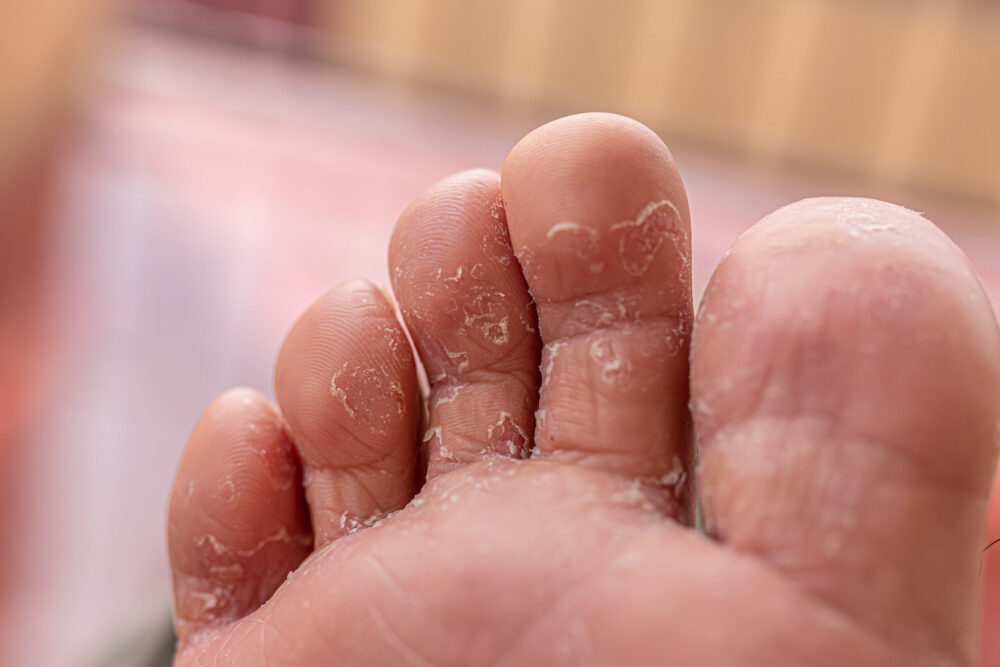
Moisture trapped between the toes creates an environment where fungi and yeast can thrive. Simply stepping out of the shower and putting on socks without thoroughly drying your feet can increase the chance of irritation and fungal problems.
What to do instead: Dry your entire foot carefully after bathing, paying particular attention to the spaces between your toes. Once your feet are dry, apply moisturizer to areas such as your heels and the tops and bottoms of your feet. Avoid putting moisturizer between the toes, where excess moisture can accumulate.
2. Forgetting sunscreen on your feet
Feet can be exposed to significant sunlight when wearing sandals, flip flops or other open footwear. Dermatologists caution that repeatedly leaving exposed skin unprotected can increase the risk of sun damage and skin cancer.
Skin cancers can also develop on the feet and underneath the toenails, where changes may be easy to overlook.
What to do instead: Apply broad spectrum sunscreen to exposed areas of your feet whenever they will be in the sun. Make checking your feet part of your regular skin care routine, particularly if you notice a new or changing spot.
3. Never checking your feet
Many people do not inspect their feet unless something hurts. That can make it harder to notice small problems before they become more serious.
What to do instead: Take about 20 seconds to look over the soles, heels, toes and spaces between your toes. Watch for cracks, blisters, redness, swelling, drainage or areas that are tender.
People with diabetes should be especially consistent about checking their feet because nerve changes can make injuries harder to notice.
4. Cutting toenails too short
Toenail trimming may seem like a purely cosmetic task, but the way you cut your nails can affect foot health. Cutting them too short or rounding the corners deeply can contribute to ingrown toenails and irritation.
What to do instead: Trim toenails straight across and avoid cutting them excessively short. A thin file can be used to smooth sharp edges. If reaching or seeing your feet is difficult, consider having a qualified professional assist with nail care.
5. Over exfoliating rough skin
Removing dead skin can make feet feel smoother, but too much exfoliation can irritate the skin and weaken its protective barrier.
What to do instead: Keep your routine simple. Moisturizers containing ingredients such as urea, hyaluronic acid or ceramides can help hydrate and soften rough skin. When using a pumice stone, soak your feet first and gently smooth thickened areas. Stop before the skin becomes painful or damaged.
For cracked heels, applying a plain occlusive moisturizer such as petroleum jelly before bed can help lock in moisture.
6. Skipping foot strengthening exercises
Foot and ankle muscles play an important role in stability, movement and overall mobility. Like other parts of the body, they benefit from regular movement and strengthening.
What to do instead: Add simple exercises and stretches to your routine. Gentle arch stretches, toe exercises and controlled heel raises can help maintain flexibility and strength. Regular walking can also provide valuable movement for the feet.
If an exercise causes significant pain, stop and consult a health professional.
7. Wearing the wrong shoes for the activity
The shoes that work well for a casual walk may not provide the support needed for running, hiking or another activity. Poorly fitting footwear can contribute to pressure, discomfort and problems that affect the feet and potentially other parts of the body.
What to do instead: Choose shoes based on the activity and make sure they fit properly. There should be enough room for your longest toe, while the toe box should allow your toes to move without being squeezed. Your heel should remain secure without excessive slipping.
For people who use orthotics, footwear with removable insoles can provide additional room for the insert.
When to see a foot specialist
New or persistent changes should not be ignored. Consider seeing a podiatrist for an injury that is not healing, ongoing foot pain or a new or changing spot, rash or area of redness.
Persistent itching, thick or flaky skin, unusual discoloration or changes to the toenails may also warrant an evaluation by a dermatologist.
The bottom line is that healthy feet do not require an elaborate routine. Keeping them clean and dry, checking them regularly, protecting exposed skin from the sun, trimming nails correctly and wearing appropriate footwear can help prevent many common problems. When something looks or feels different, getting it evaluated early is often the smartest step.