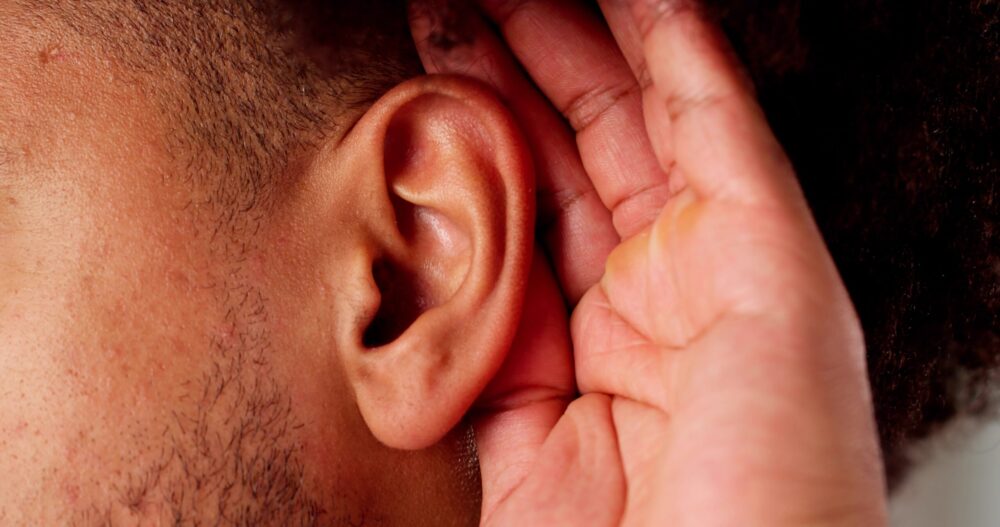
When people think about healthy aging, brain health, exercise, nutritious food and quality sleep often top the list. Hearing health may not receive the same attention, but doctors say it deserves a place in the conversation.
Changes in hearing can happen gradually, making them easy to overlook. Someone may begin turning up the television, asking others to repeat themselves or struggling to follow conversations in restaurants without immediately recognizing that their hearing has changed.
That is one reason experts encourage adults to pay attention to their hearing as they get older. Beyond making conversations easier, hearing health has also become an important area of research surrounding brain health and cognitive aging.
Recent guidance from the World Health Organization has highlighted the potential importance of addressing hearing loss as part of efforts to reduce the risk of cognitive decline. The relationship is complex, however, and current evidence does not mean that hearing loss directly causes dementia or that treating it guarantees protection.
1. Consider a hearing check after 50
Adults do not necessarily need to wait until hearing problems become obvious before getting their hearing evaluated.
A hearing assessment can identify changes that may otherwise go unnoticed. Early identification also gives people an opportunity to discuss possible solutions with a qualified hearing professional.
The World Health Organization emphasizes the importance of identifying hearing loss, particularly among older adults and people who regularly encounter loud sounds.
Even if you are younger than 50, noticeable hearing difficulties are worth discussing with a health professional rather than assuming they are simply part of getting older.
2. Pay attention to changes in conversations
One of the most noticeable signs of hearing difficulty is struggling to understand what people are saying.
You may find yourself frequently asking others to repeat themselves, having trouble following group conversations or relying heavily on lip reading and facial expressions.
Background noise can make these difficulties particularly obvious. Restaurants, family gatherings and other busy environments can become challenging because the brain has to work harder to separate speech from surrounding sounds.
If conversations increasingly require extra concentration, a hearing evaluation may help determine whether hearing loss is contributing to the problem.
3. Understand the brain health connection
Researchers have been investigating the relationship between hearing loss and cognitive health for years.
The large ACHIEVE clinical trial did not find a significant cognitive benefit from the hearing intervention across its entire study population. However, researchers observed a notable difference among participants who were considered at higher risk, with the intervention associated with a slower rate of cognitive decline over three years.
That finding is important but should be interpreted carefully. It does not establish that hearing treatment prevents dementia.
Scientists are continuing to examine several possible explanations for the relationship. Hearing difficulties may reduce social participation, while constantly working to interpret unclear sounds may place additional demands on the brain.
Maintaining clearer access to sound could therefore make communication easier and potentially help people remain more socially engaged.
4. Protect your hearing from loud sounds
Preventing further hearing damage is another important part of long-term hearing care.
Repeated exposure to loud music, machinery, power tools and other intense sounds can affect hearing over time. Using appropriate hearing protection in noisy environments can reduce that exposure.
Earbuds deserve attention, too. Keeping listening levels at a reasonable volume and taking breaks can help limit the amount of intense sound reaching the ears.
Concerts, sporting events and other loud settings may also call for hearing protection, particularly when exposure lasts for an extended period.
5. Know when symptoms need prompt attention
Not every hearing change should be handled through routine monitoring.
Sudden hearing changes deserve prompt medical evaluation. Ear pain, drainage, dizziness or a rapid decline in hearing can also require timely attention because several different conditions can cause these symptoms.
For gradual hearing changes, scheduling an assessment can help determine what is happening and whether treatment could improve communication and daily quality of life.
Treatment options vary depending on the cause and severity of hearing loss. A qualified professional can discuss appropriate options after evaluating your hearing.
Hearing health is part of healthy aging
Taking care of your hearing does not mean assuming that every change is a warning sign of a serious condition. Hearing loss is common, and researchers are still working to understand its relationship with cognitive health.
The more practical takeaway is that hearing deserves attention alongside other aspects of healthy aging.
If conversations are becoming harder to follow, the television volume keeps creeping upward or other people regularly point out that you are missing parts of conversations, consider having your hearing evaluated.
Protecting your ears from excessive noise, recognizing changes early and discussing concerns with a qualified professional can all contribute to better hearing health as you age. And because hearing influences communication and social connection, taking care of it may support more than your ability to hear clearly it may help you stay engaged with the people and experiences that matter most.