Memory loss or just busy? 5 signs worth a doctor visit

When is memory loss more than normal forgetfulness? Everyone has walked into a room and forgotten why. Poor sleep, packed schedules and constant phone alerts wear down attention, and memory depends on attention. Memory loss that deserves a closer look is different. It shows up as repeated patterns, like asking the same question several times […]
6 health risks linked to high blood pressure in pregnancy

High blood pressure during pregnancy is often treated as a concern that belongs to a specific period of a woman’s life. But new research suggests its significance may extend much further. Researchers found that women who experienced hypertensive disorders during pregnancy initially had a higher rate of dementia later in life. However, that association became […]
Creative pursuits can slow aging as much as exercise
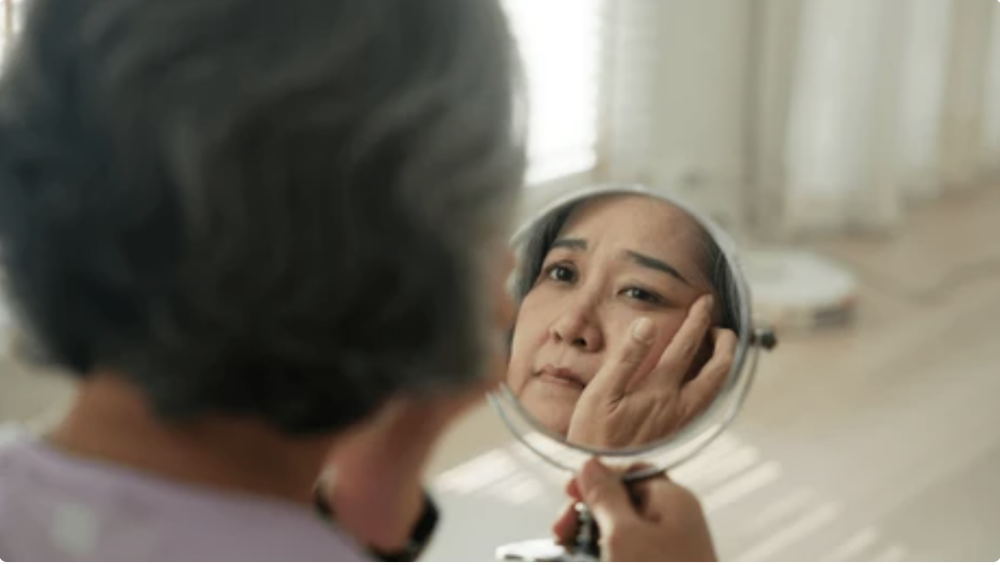
Most conversations about slowing biological aging circle back to the same familiar habits. Eat well, move more, sleep enough. Those pillars remain important, but a compelling new study is expanding the picture in a direction few expected. Engaging regularly in creative pursuits, whether making art or simply experiencing it, appears to slow the pace of […]
6 hearing habits for better brain health
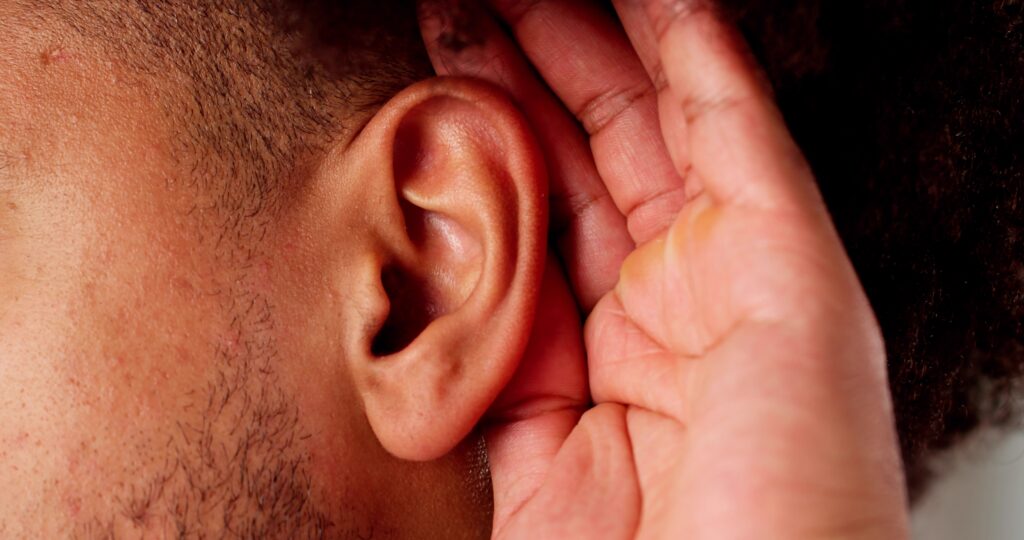
When people think about healthy aging, brain health, exercise, nutritious food and quality sleep often top the list. Hearing health may not receive the same attention, but doctors say it deserves a place in the conversation. Changes in hearing can happen gradually, making them easy to overlook. Someone may begin turning up the television, asking […]
Why Anemia and Alzheimer’s may be more connected than assumed

Anemia is usually thought of as a fatigue and weakness issue, the kind of diagnosis that shows up on a routine blood test and gets treated with iron supplements. A new study suggests the condition may carry a far more serious long term risk, one tied directly to dementia and Alzheimer’s disease. The research, published […]
Why Too much sleep could signal a bigger brain problem

A new study links long sleep duration to a blood marker tied to Alzheimer’s, raising questions about cause and effect. Most health guidance treats extra sleep as a win, but a new study is complicating that assumption. Researchers found that adults sleeping more than 8.5 hours a night showed higher levels of a blood biomarker […]
Steps that could quietly rewrite your life expectancy

A simple daily habit is drawing fresh attention from doctors who study aging Steps are emerging as one of the simplest, most reliable predictors of a longer life. Forget marathons, gym memberships and expensive equipment. New research suggests a longer life may not require an intense workout routine at all. It can start with something […]
Why early dementia detection just got a lot closer

Dementia, and Alzheimer’s disease in particular, remains one of the most pressing public health challenges tied to an aging population. According to the Alzheimer’s Association, roughly 74% of Americans diagnosed with Alzheimer’s are 75 or older, though the condition can also appear earlier in life, a form known as younger onset dementia. Catching the disease […]
Shingles vaccine linked to lower dementia risk in new research
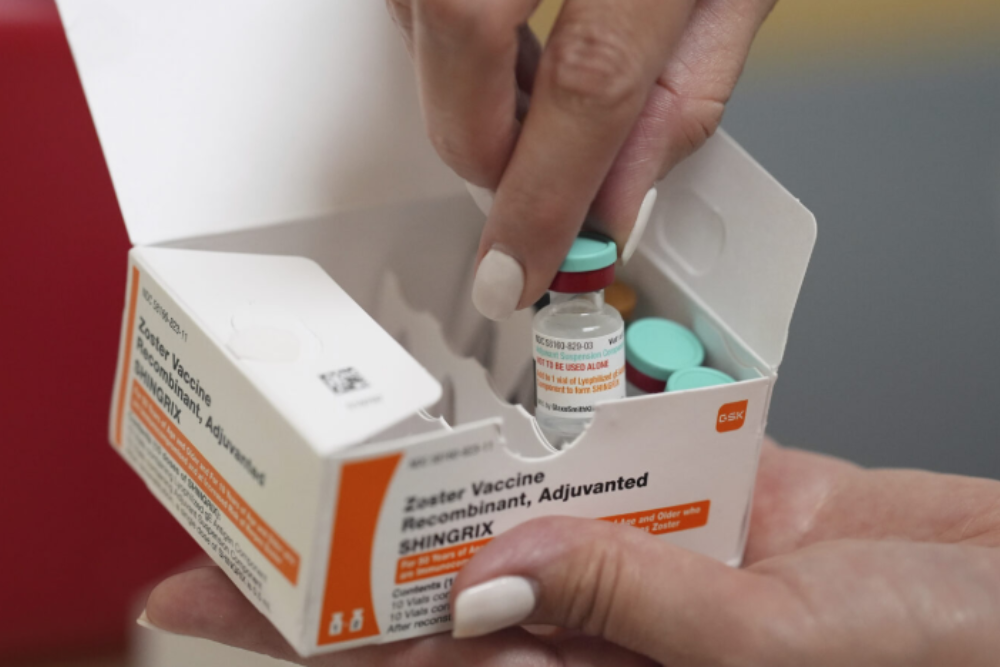
For years, the shingles vaccine has been recommended to older adults as protection against a painful viral flare-up that can follow anyone who has had chickenpox. New research now suggests that protection may extend well beyond nerve pain. A study published this week in the peer-reviewed journal Annals of Internal Medicine found that elderly nursing […]
Alzheimer’s disease research finds new promise in an old psychiatric drug
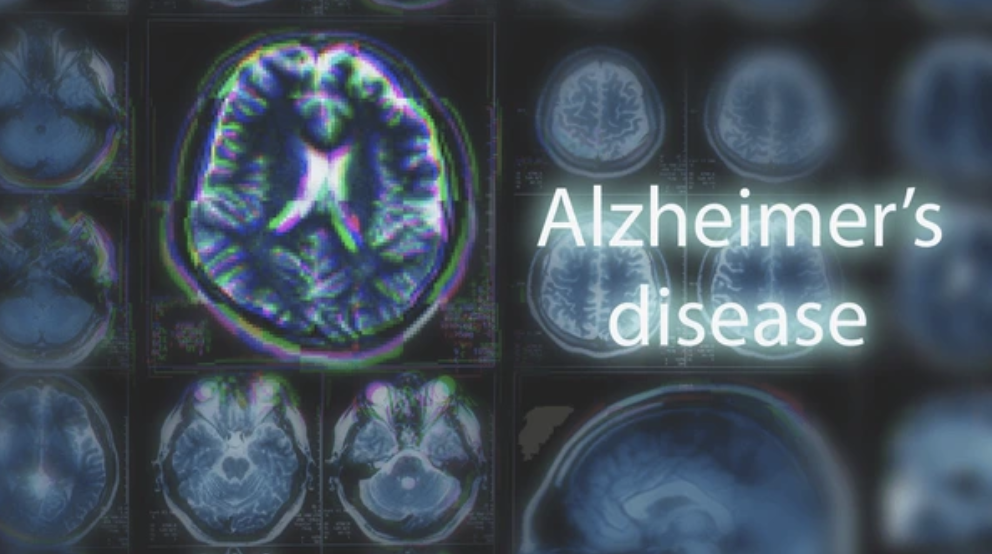
Alzheimer’s disease affects roughly 32 million people worldwide, and that number is expected to climb to 152 million by 2050. Despite decades of research and billions in pharmaceutical investment, there is still no cure. The medications that exist today manage symptoms, and mostly in the early stages. They do not stop the disease from progressing. […]