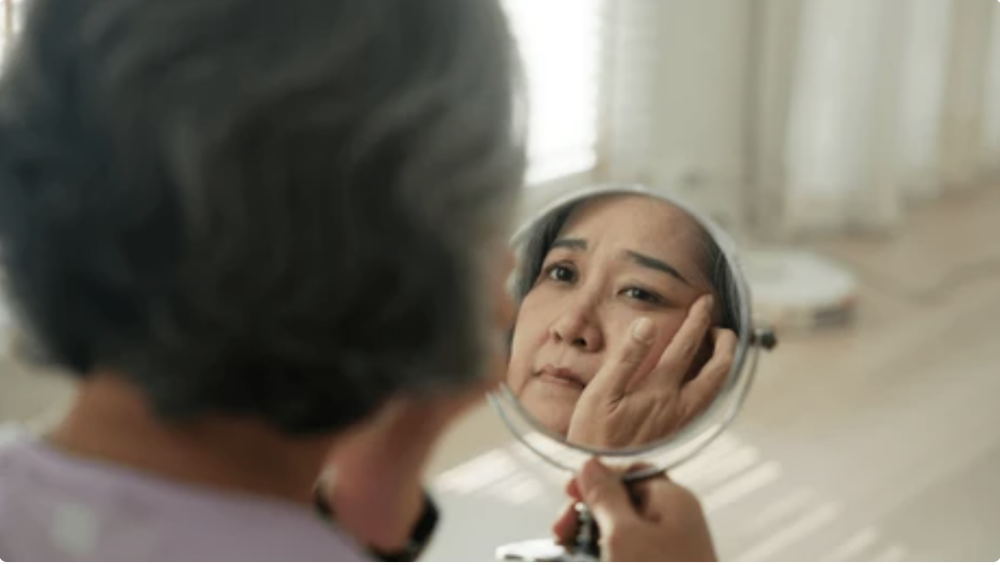
Most conversations about slowing biological aging circle back to the same familiar habits. Eat well, move more, sleep enough. Those pillars remain important, but a compelling new study is expanding the picture in a direction few expected. Engaging regularly in creative pursuits, whether making art or simply experiencing it, appears to slow the pace of biological aging in measurable ways, right down to changes in DNA.
The findings, drawn from data covering more than 3,500 adults in a long running household study in the United Kingdom, suggest that culture and creativity deserve a place alongside diet and exercise in any serious conversation about healthy aging.
What the research on creative pursuits actually found
Participants in the study reported how often they engaged in activities like singing, dancing, painting, photography, and crafting, as well as how often they visited museums, historic sites, libraries, art exhibits, and similar cultural spaces. Researchers then analyzed blood samples using seven different epigenetic clocks, tools that measure age related changes in DNA to estimate how quickly a person is biologically aging.
The results were striking. People who engaged in creative pursuits at least three times a year showed a two percent slower pace of aging compared to those who rarely participated. Those who engaged monthly showed a three percent slower rate, and weekly participants showed a four percent slower rate.
One of the most telling comparisons in the study was with smoking history. The gap in aging speed between frequent arts participants and infrequent ones was comparable to the difference seen between current smokers and former smokers, a benchmark researchers use to convey meaningful biological impact.
A separate measurement tool focused on how quickly cells and tissue age found that adults who engaged in creative pursuits at least once a week were biologically about a year younger on average than those who rarely did. People who exercised weekly, by comparison, showed a half year difference. On that particular measure, arts engagement outperformed exercise.
Why creative pursuits may protect the body
The biological explanation is still being explored, but researchers point to a few plausible pathways. Artistic activities appear to reduce stress and lower inflammation, both of which are closely tied to accelerated aging at the cellular level. Creative pursuits also stimulate the brain across multiple regions simultaneously, engaging sensory processing, emotional response, memory, and social connection all at once.
The link between arts engagement and reduced dementia risk adds another layer to the picture. Research published in recent years has found that older adults who regularly listened to music or played an instrument had meaningfully lower rates of cognitive decline compared to those who did not. Dementia itself accelerates physical and biological aging, so any activity that reduces its risk likely contributes to the broader aging picture as well.
The protective effects appear to be especially pronounced in middle aged and older adults. This may be because the aging process itself accelerates after midlife, making the benefits of protective behaviors more detectable in that group.
How to make creative pursuits work for you
The study found that both frequency and variety matter. Engaging more often and across a wider range of activities appears to compound the benefit. But the most important factor may simply be genuine enjoyment. Forcing yourself through art forms that leave you cold is unlikely to deliver the same returns as immersing yourself in the ones that actually move you.
Creative pursuits are not a replacement for exercise or good nutrition. They are an addition, one that happens to be accessible, affordable, and enjoyable for most people. A walk through a museum, an evening of dancing, a weekly choir rehearsal, or an afternoon with a paintbrush may be doing more for your longevity than you ever imagined.