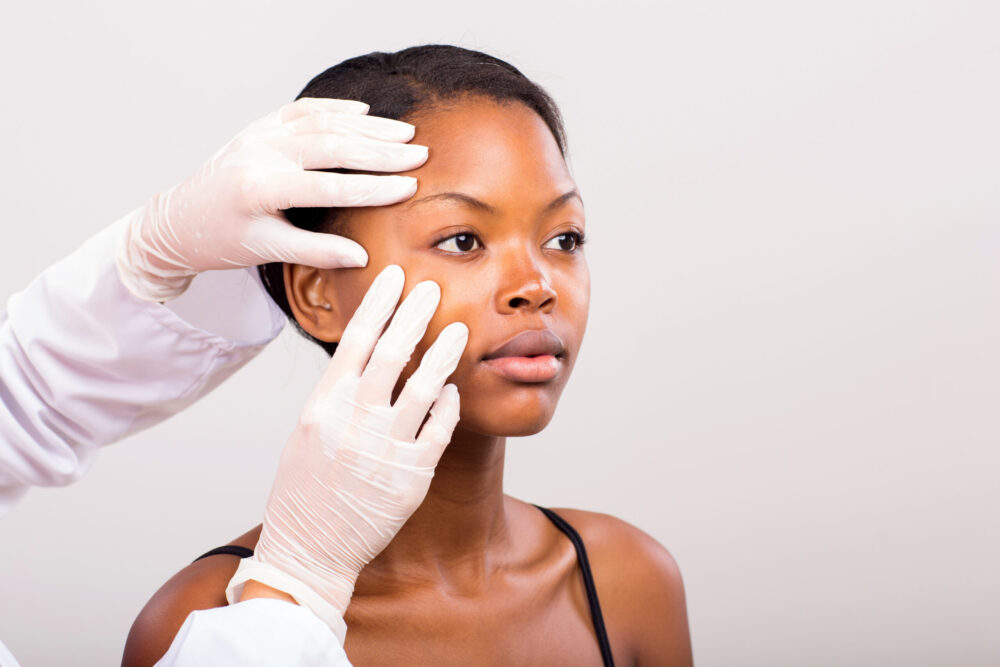
The organ everyone can see
Skin is the body’s largest organ, accounting for roughly sixteen percent of total body weight and providing the first line of defense against pathogens, physical trauma, and environmental stressors. It regulates temperature, synthesizes vitamin D, and acts as a constant interface between the body and the world around it. Few organs work as continuously or as visibly as this one, yet its signals are often the most overlooked in routine healthcare, dismissed as cosmetic rather than examined as a genuine source of medical information.
What makes this organ particularly revealing is how sensitively it responds to both internal and external conditions. Changes in color, texture, moisture, and the appearance of new lesions can reflect developments inside the body long before other signs manifest anywhere else. For clinicians, the surface of the body is often an early and accessible diagnostic clue, one that requires nothing more than careful observation to interpret correctly and act on quickly.
Reading what the skin is saying
Jaundice, the yellowing of the complexion and whites of the eyes, is among the most recognizable signs of internal disease, reflecting elevated bilirubin from liver dysfunction or red blood cell breakdown. Pallor, or unusual paleness, can indicate anemia or circulatory insufficiency. Flushing or persistent redness may reflect rosacea, hormonal changes, alcohol metabolism issues, or less commonly, carcinoid syndrome, a rare tumor that releases hormone-like compounds into the bloodstream.
Butterfly-shaped rash across the nose and cheeks is a classical presentation of lupus, an autoimmune condition that can affect multiple organ systems. These rashes frequently precede a systemic lupus diagnosis, appearing months to years before other symptoms become apparent. Dermatologists are often the first specialists to suspect an autoimmune process based purely on what they observe during a routine visit, well before bloodwork confirms the underlying cause.
Common skin conditions and their triggers
Eczema, also known as atopic dermatitis, is a chronic inflammatory condition characterized by dry, itchy, and inflamed patches that cycle through flares and remissions. It is closely linked to immune dysregulation and is associated with asthma, hay fever, and food sensitivities, suggesting a shared underlying mechanism across these seemingly unrelated conditions that all involve an overactive immune response.
Psoriasis involves accelerated cell turnover that produces thick, scaly plaques, most commonly on the elbows, knees, and scalp. It is now understood to be a systemic inflammatory disease with associations to cardiovascular disease, metabolic syndrome, and inflammatory arthritis that extend far beyond the visible plaques themselves. Treating psoriasis effectively often requires addressing this broader inflammatory burden rather than focusing solely on topical symptoms, which explains why dermatologists increasingly coordinate care with rheumatologists and cardiologists.
Protecting your skin over a lifetime
Broad-spectrum sunscreen with adequate SPF remains the most evidence-supported strategy for reducing skin cancer risk and slowing the visible signs of photoaging. Reapplication every two hours during sun exposure, and consistent use regardless of skin tone or cloud cover, maximizes its protective benefit and should be treated as a non-negotiable part of any daily routine.
A nutrient-supportive diet provides the raw materials for structural maintenance throughout this organ. Collagen production depends on vitamin C availability. Omega-3 fatty acids support the protective barrier function that keeps moisture in and irritants out. Adequate hydration maintains suppleness and elasticity. It reflects nutritional status with a fidelity that makes diet one of the most accessible tools available for maintaining a healthy complexion over time, often more effective than expensive topical products alone.
Annual full-body skin examinations by a dermatologist, combined with regular self-examination in between visits, remain the most effective strategy for catching skin cancer at the stages when treatment is most straightforward and outcomes are most favorable for long-term recovery.