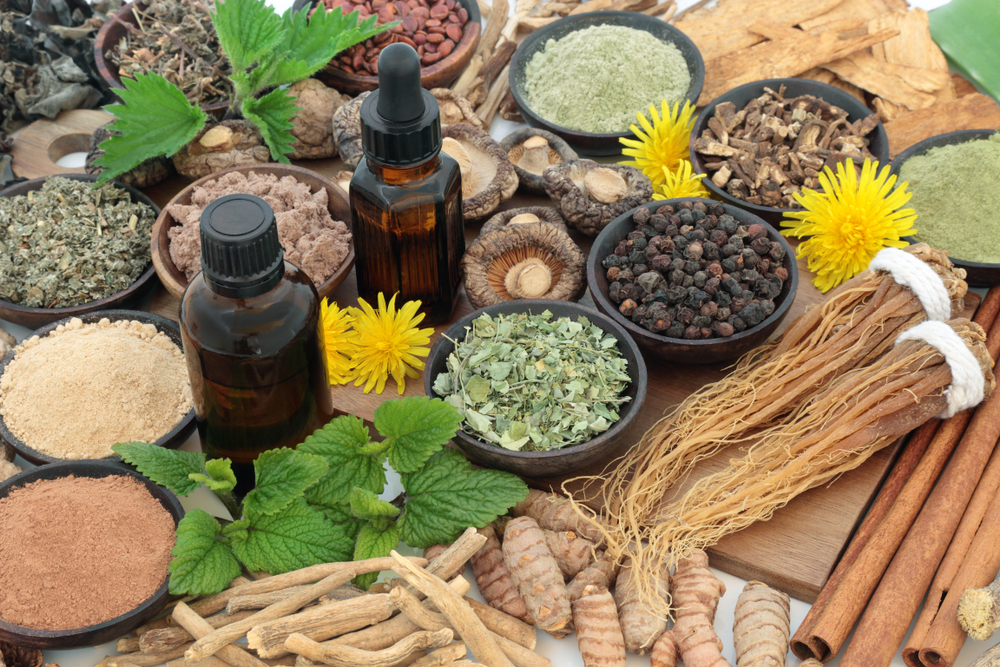
Maca root comes from a plant native to the high-altitude regions of Peru, where it has been cultivated and consumed for centuries. In traditional Peruvian practice, the root is typically dried, boiled, and taken as a drink. Today it appears in powder form, capsules, and liquid extracts, turning up in smoothies, oatmeal, and a growing number of commercial supplements.
The root contains a notable range of nutrients, including amino acids, iron, calcium, copper, zinc, and potassium. That nutritional profile is part of what has made it appealing to people looking for plant-based ways to support their health. But as with many supplements, the science behind specific health claims is still catching up to the marketing.
Maca root and what it may do for fertility
One of the more frequently cited potential benefits of this root involves male fertility. Some studies have found that maca may improve sperm concentration, which refers to the number of sperm per milliliter of semen, as well as overall sperm quality and motility. Sperm motility, the ability of sperm to move effectively, plays a significant role in the likelihood of successful fertilization.
Those findings carry a significant qualifier, however. The studies behind them are small in scale, and researchers have not yet established a definitive causal link between maca consumption and measurable fertility improvements. The evidence is suggestive rather than conclusive, and larger clinical trials are needed before firm recommendations can be made.
Libido and sexual function
Maca root has developed a particular reputation as a natural support for sexual desire. Reviews of available studies suggest that higher doses of this powder may improve libido, with some findings pointing specifically to benefits for people whose sex drive has been diminished by antidepressant use, a known and common side effect of that class of medication.
Early research has also examined maca’s potential role in addressing erectile dysfunction and difficulty achieving orgasm. Results from initial clinical work have been described as positive, though experts are consistent in noting that the evidence base remains thin. As with the fertility research, more rigorous and large-scale studies are needed before maca can be confidently recommended for these purposes.
Menopause symptoms and hormone activity
Maca root has drawn interest from researchers studying menopause, the stage of life marked by the end of menstrual cycles and a drop in estrogen production. Some studies suggest that compounds in maca may mimic estrogen activity and influence female hormone levels, which could in turn help reduce the frequency and severity of common menopause symptoms. Those symptoms include hot flashes, night sweats, sleep disruption, fatigue, poor concentration, anxiety, depression, and headaches.
Not all reviews of the available literature are optimistic. Some analyses conclude that the current body of evidence is too limited to say with confidence that maca meaningfully addresses menopause symptoms. The picture is promising but incomplete.
How to use it and who should be careful
Research suggests that doses of up to 3 grams of maca daily for a period not exceeding four months are generally considered safe for most adults. There is no formally established dosing standard, and the effects of larger amounts or longer use have not been thoroughly studied.
Certain groups should approach maca with extra caution. People with hormone-sensitive conditions, including some forms of breast cancer, should consult a doctor before using it, given maca’s estrogen-mimicking properties. Those with thyroid conditions face another consideration: maca contains goitrogens, compounds that can interfere with thyroid hormone production. A conversation with a healthcare provider before starting any maca regimen is the most straightforward way to assess whether it is appropriate for a given individual.
For those who do try it, starting with a small amount and monitoring the body’s response is the most sensible approach, regardless of the format chosen.