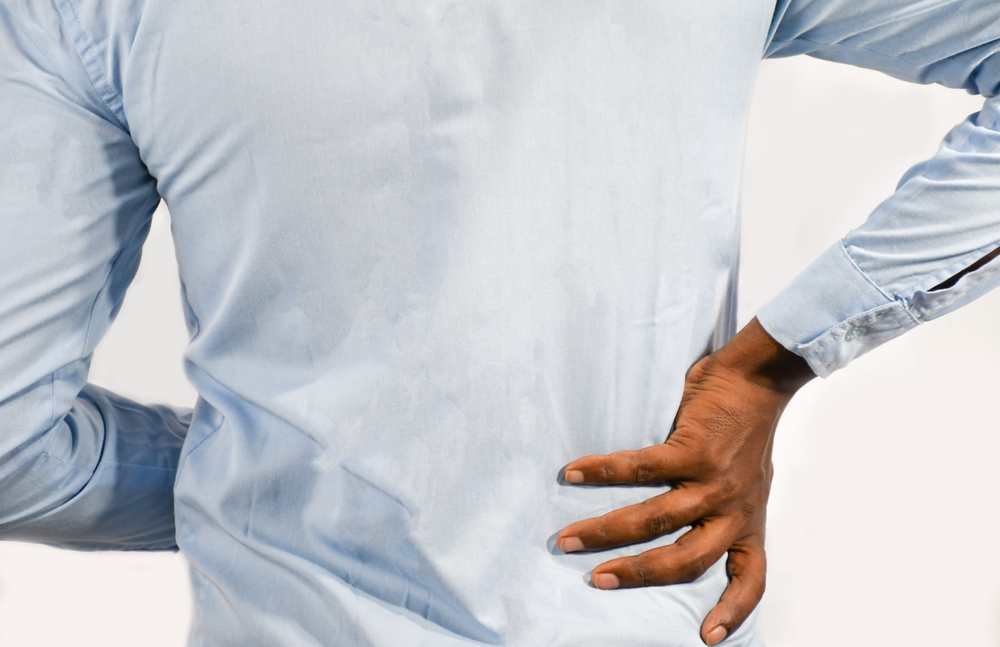
Lower right back pain affects nearly 90% of people at some point, and the cause ranges from a strained muscle to a kidney infection depending on where the pain originates.
Back pain has a way of announcing itself loudly without explaining much. The lower right side in particular draws together a dense collection of structures including spinal discs, nerves, muscles, and organs that have nothing to do with each other anatomically but produce pain that feels nearly identical from the outside. Getting to the right treatment starts with understanding which system is actually involved.
Musculoskeletal causes are the most common starting point
The majority of lower back pain traces back to the musculoskeletal system, meaning the bones, joints, discs, ligaments, muscles, tendons and the spinal cord running through all of it. These structures absorb constant mechanical stress and are vulnerable to injury, degeneration and overuse.
Radiculopathy, which occurs when a spinal nerve comes under pressure, produces sharp or burning pain that travels along the nerve’s path rather than staying in one spot. Sciatica is the most familiar form of this, affecting the sciatic nerve and sending pain down one or both legs, often worsening when sitting or bending forward.
Muscle spasms are involuntary contractions that produce a different kind of pain, more sudden and grip-like. They can follow intense exercise, dehydration, poor posture or certain medications, and they tend to resolve faster than disc or nerve problems but can be severe while they last.
Postural conditions including scoliosis, lordosis and kyphosis shift load unevenly across the spine and over time produce chronic lower back discomfort. Ankylosing spondylitis, a more serious inflammatory condition, can cause vertebrae to fuse together, altering posture permanently and producing pain that is difficult to manage without targeted treatment.
When the kidneys or appendix are involved
Pain originating from internal organs frequently mimics musculoskeletal back pain closely enough to be misidentified. Kidney stones produce sharp, wave-like pain on the affected side as they move through the urinary tract, often accompanied by blood in the urine or difficulty urinating. Kidney infections tend to produce a duller, more persistent ache alongside fever, nausea and sometimes chills.
Appendicitis typically begins around the navel before migrating to the lower right abdomen, but the pain can radiate toward the back and be mistaken for a muscle problem in the early stages. Because appendicitis can become a medical emergency quickly, pain in the lower right that arrives with fever and nausea warrants prompt attention rather than a wait-and-see approach.
Gynecological and pregnancy-related sources
For women, the lower right back is also within range of reproductive organ conditions. Endometriosis, ovarian cysts and uterine fibroids can all produce pain in this region, often cyclically and sometimes without other obvious symptoms. These conditions are frequently underdiagnosed because the pain pattern overlaps with common musculoskeletal complaints.
Pregnancy shifts the body’s center of gravity and adds load to the spinal muscles and joints progressively over months. Back discomfort during pregnancy is common and typically manageable, but it does not always resolve immediately postpartum as the body continues adjusting.
What the pain itself can tell you
Lower right back pain presents differently depending on what is driving it. A dull, persistent ache that worsens with prolonged sitting or standing points toward a structural or muscular origin. Sharp pain that radiates into a leg or foot suggests nerve involvement. Pain that comes in waves and is accompanied by urinary symptoms points toward the kidneys. Back pain accompanied by fever in any form warrants a medical evaluation rather than home treatment.
Acute back pain lasting fewer than 12 weeks is often injury-related and resolves with conservative care. Chronic pain persisting beyond 12 weeks typically requires a more thorough workup to identify an ongoing cause.
Diagnosis and treatment
Physicians evaluating lower right back pain typically begin with a physical exam and medical history before ordering imaging. X-rays, MRIs and CT scans can reveal disc problems, bone changes and structural abnormalities. Blood tests can identify infection or inflammatory markers. Electrophysiological testing assesses nerve and muscle function when radiculopathy is suspected.
Treatment depends on the underlying cause. Ice or heat packs address inflammation in the short term. Over-the-counter or prescription pain medications manage symptoms while the underlying issue is treated. Physical therapy builds the strength and mobility that reduce recurrence. Surgery is considered only when other approaches have not produced adequate relief and the structural problem is clearly identified.
Pain that worsens over several days, disrupts daily function, involves numbness or tingling, or arrives with fever or urinary changes is worth evaluating promptly rather than managing independently.