Fall prevention comes down to a few simple habits. Build your balance and leg strength, make your home safer, get your eyes and ears checked, review your medicines and wear sturdy shoes. These steps matter because trips are common and dangerous for older adults. More than 14 million Americans ages 65 and older, about 1 in 4, report falling each year, and about 37% of those who trip are hurt badly enough to need medical care or limit their activity for at least a day.
The risk is growing. The CDC reports that the age-adjusted fall death rate for older adults rose 21%, from 64.7 per 100,000 in 2018 to 78.4 per 100,000 in 2024. With families gathering for Thanksgiving next week, this is the perfect time to look out for the elders we love.
Why are falls so dangerous for older adults?
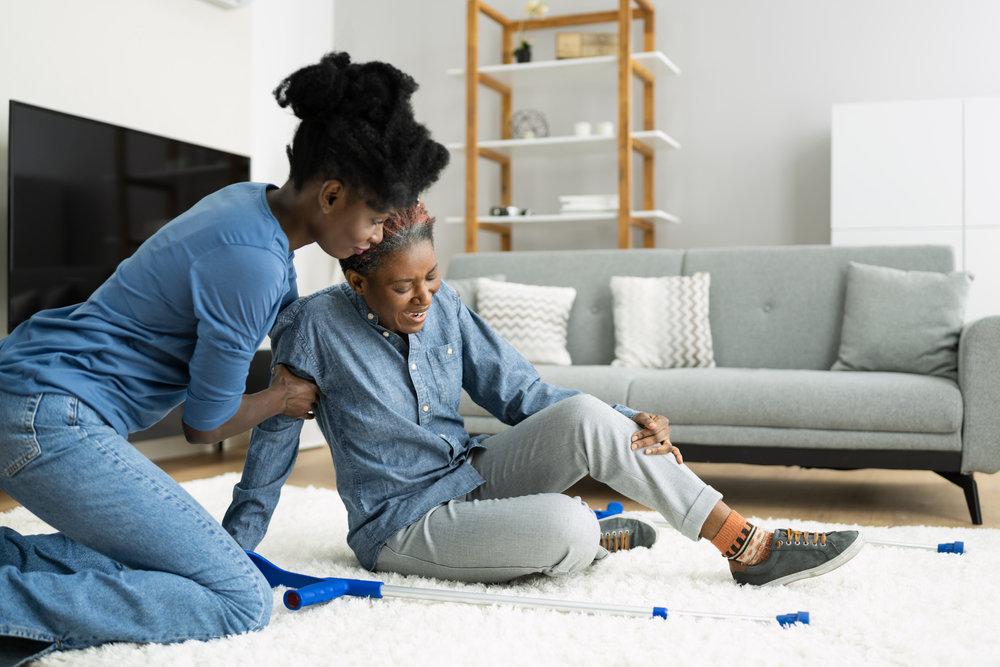
It takes seconds, but recovery can take months or years. Older adult falls lead to about 3 million emergency room visits and about 1 million hospital stays each year, and these things are the most common cause of traumatic brain injuries. Nearly 319,000 older people are hospitalized for hip fractures every year. Even a fall without an injury can shake a person’s confidence, making them less active, which weakens muscles and raises the risk of another.
There is a part of this many families never hear about. Fewer than half of older adults who trip tell their doctor, even though falling once doubles the chance of falling again. Our elders often keep quiet so they do not seem frail or lose their independence. Asking gently whether they have slipped recently can open a conversation that protects them.
How can you improve your balance and prevent tripping?
These seven steps can help.
- Practice balance every day. Exercise programs that challenge balance have been shown to cut fall rates by roughly 23%. Try standing on one leg while holding the back of a sturdy chair, walking heel to toe in a straight line or slowly shifting your weight from side to side. As you get steadier, rely less on your hands. Make only one move harder at a time, and do not combine closed eyes with standing on one leg when practicing at home.
- Build strength in your legs and core. Strong muscles help you catch yourself if you trip. Try the sit to stand move, rising from a chair without using your hands and slowly sitting back down. Strength training seems to work best when paired with balance practice.
- Try tai chi or gentle yoga. Studies suggest tai chi can reduce falls in older adults by roughly 20% to 50%, and group classes make it easier to stick with. Different forms of balance training work about equally well, so pick the one you enjoy.
- Make the home safer. Clear walkways of clutter, cords and loose rugs. Add bright lights on stairs and in hallways, plus night lights between the bedroom and bathroom. Install grab bars by the toilet and shower, use nonslip mats, add sturdy handrails on both sides of the stairs and keep everyday items within easy reach.
- Get vision and hearing checked. Your eyes help you judge steps and curbs, and your inner ear helps keep you balanced. Schedule regular screenings and update eyeglass prescriptions.
- Review your medications. Some sleep aids, blood pressure medicines and pain relievers can cause dizziness or drowsiness, and taking several medications raises the risk. Ask a doctor or pharmacist to review everything you take, including vitamins and supplements. Stand up slowly after sitting or lying down.
- Wear supportive shoes. Choose shoes with nonslip soles, a snug fit and low, wide heels. Avoid walking in socks, loose slippers or backless shoes, especially on smooth floors.
How can families help with fall prevention over the holidays?
Use the visit. While you are home for Thanksgiving, walk through your parents’ or grandparents’ house with fresh eyes. Look for loose rugs, dim stairways, cluttered paths and bathrooms with no grab bars. Swap a burned out bulb, tape down a cord or move the everyday dishes to a lower shelf. Small fixes can make a big difference, and doing them together feels like care, not criticism.
When should you talk to a doctor about falls?
If you have fallen before, feel unsteady or have a health condition that affects your balance, talk with your doctor before starting a new exercise routine. The CDC’s STEADI program helps health care providers screen for and reduce fall risk. A personalized plan can help you build strength safely. Anyone who falls and hits their head should see a doctor right away.
Balance does not require a gym or expensive equipment. A few minutes of practice a day and a few small changes at home can keep you steady, strong and independent for years to come.