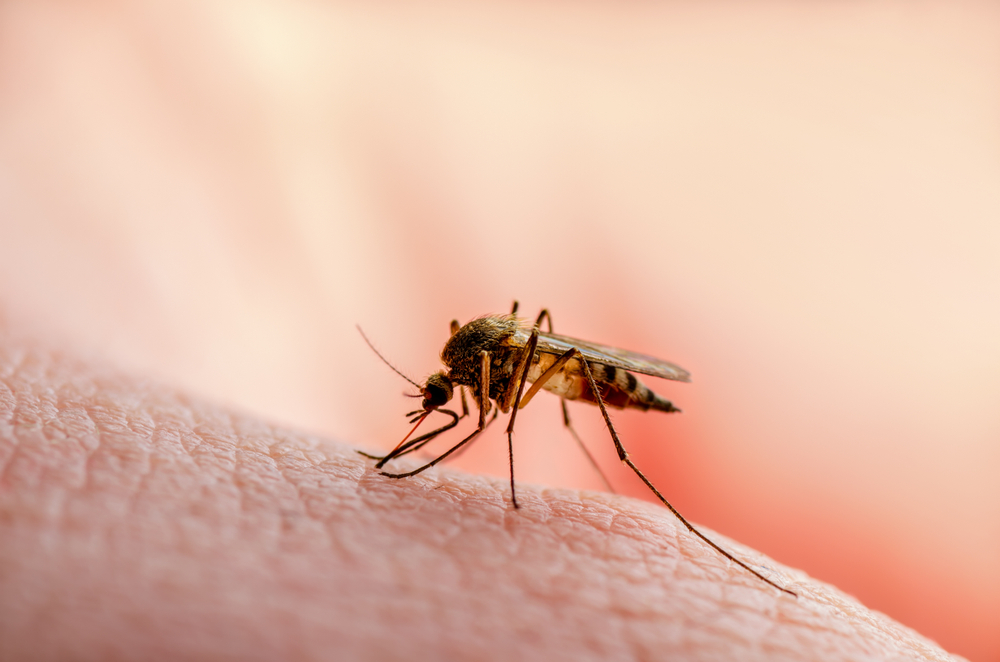
It has existed for nearly two thousand years, appearing in historical records as far back as 200 AD. But dengue fever, long considered a contained threat in tropical corners of the world, has transformed into something far more pressing. Fueled by climate change, international travel and strained health systems, the disease now puts roughly half the global population at risk, with an estimated 100 to 400 million infections occurring every year.
In 2023, the world recorded the highest number of dengue cases ever documented, with 6.5 million confirmed infections and more than 7,000 deaths. The numbers represent a staggering leap from the just over 500,000 cases reported globally at the start of the millennium.
How dengue spreads and who is at risk
Dengue is a viral illness carried primarily by the Aedes aegypti mosquito, though other species within the same family are capable of transmission as well. The cycle begins when a female mosquito bites a person who already has the virus circulating in their blood, then passes it on to the next person it bites. What makes containment particularly difficult is that an infected person does not need to feel sick for the virus to be present and transmissible. The window of human-to-mosquito transmission can begin up to two days before symptoms appear and extend two days after a fever subsides.
Pregnant individuals can also pass the virus to an unborn child, though available data suggests that risk remains relatively low. Unlike many illnesses, prior infection with dengue does not guarantee protection. In fact, people who have had the disease before face a higher chance of developing its more severe form if infected again.
Dengue symptoms range from mild to life-threatening
Most people who contract dengue either experience no symptoms at all or recover within two weeks with mild discomfort. When symptoms do appear, they typically begin four to ten days after a mosquito bite and can include high fever, intense headache, pain behind the eyes, muscle and joint aches, nausea, swollen glands and a widespread rash. The severity of the joint and muscle pain has earned dengue a vivid nickname, breakbone fever.
For a smaller portion of those infected, the disease escalates into a dangerous condition requiring immediate hospital care. Severe dengue can present with sharp abdominal pain, persistent vomiting, rapid breathing, bleeding from the gums or nose, blood in vomit or stool and extreme fatigue. Without prompt treatment, this form of the disease can be fatal.
Treating and protecting yourself against dengue
No antiviral medication exists specifically for dengue. Recovery depends largely on rest, proper hydration and fever-reducing pain relief. Over-the-counter anti-inflammatory medications such as ibuprofen and aspirin should be avoided because they increase the risk of internal bleeding. In severe cases, hospitalization becomes necessary to monitor and stabilize the patient.
Prevention centers on avoiding mosquito bites altogether. Because the Aedes mosquito is most active during daylight hours, protective clothing that covers the arms and legs, insect repellent and window screens are all important defenses. Mosquito nets treated with insecticide provide an added layer of protection and should be used even during daytime rest in high-risk areas. Eliminating standing water where mosquitoes breed is equally critical.
Two vaccines have been developed for people who have previously had the disease and remain at risk of reinfection. Scientists have also made progress introducing a naturally occurring bacteria into Aedes mosquitoes that blocks their ability to transmit dengue as well as related diseases including Zika and chikungunya.
A disease that is no longer staying in its lane
Dengue has historically been concentrated in Asia, which remains the most heavily affected region, followed by the Americas and the Western Pacific. But the disease is now establishing itself in places it rarely appeared before. In 2023 alone, local outbreaks were recorded in France, Italy and Spain. Cases have also been detected in parts of the United States and the Eastern Mediterranean, driven largely by returning travelers but increasingly by local mosquito populations as warming temperatures expand their habitat.
The El Nino weather pattern, which brings elevated rainfall and heat, along with the broader effects of climate change, has accelerated that expansion. Disease modeling now estimates that 3.9 billion people live in areas where dengue transmission is possible. That figure, representing roughly one in two people on earth, is no longer a distant projection. It is the present reality.