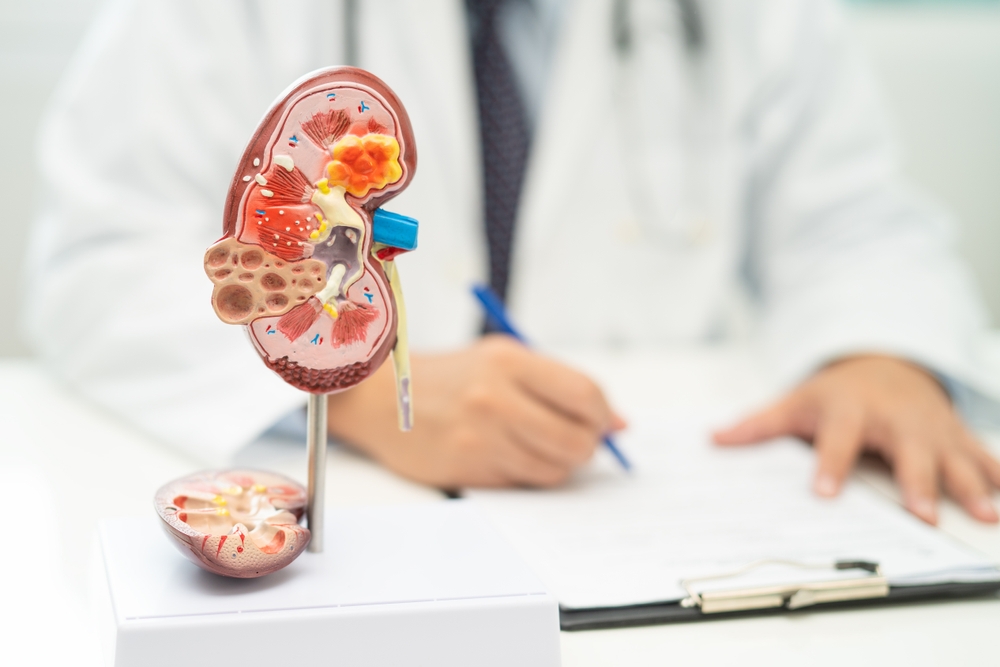
Kidney cancer often develops without obvious symptoms, making awareness of the risk factors and early warning signs a critical part of long-term health.
The kidneys do their work quietly. They filter waste from the blood, balance the body’s fluid levels and help regulate blood pressure, all without much fanfare. That same quietness is part of what makes kidney cancer difficult to catch early.
Kidney cancer affects tens of thousands of people each year in the United States. It is not among the cancers that get the most public attention, but it is serious, and its outcomes are closely tied to how early it is found. Understanding what raises your risk and what symptoms to watch for can make a meaningful difference.
Who faces the highest risk
No single factor causes kidney cancer, but several are consistently associated with a higher likelihood of developing it.
Tobacco use is one of the most significant. Smoking raises the risk across a range of cancers, and kidney cancer is among them. Obesity is another established factor, as excess body weight has been linked to higher rates of the disease. High blood pressure, or hypertension, can contribute to kidney damage over time and is also associated with increased risk.
Age plays a role as well. The risk rises notably after 50, though kidney cancer can develop at any age. People with a family history of the disease face a greater likelihood due to genetic factors, and those living with chronic kidney disease are also considered a higher-risk group.
Symptoms that deserve attention
One of the challenges with this cancer is that early-stage disease frequently produces no symptoms at all. When signs do appear, they can be easy to attribute to something else.
Blood in the urine, known medically as hematuria, is one of the more recognizable warning signs. It may appear as a pink, red or brownish discoloration and should prompt a call to a doctor regardless of whether it is painful. Persistent back pain on one side, particularly in the area below the ribs, is another symptom worth investigating.
Other signs include unexplained weight loss, prolonged fatigue, recurring fever without an obvious cause and swelling in the ankles or legs. None of these symptoms alone confirms this cancer, but any of them lasting more than a few days warrants medical attention.
Why early detection changes outcomes
Kidney cancer caught at an early stage, before it has spread beyond the kidney, is generally more treatable than cancer identified after it has advanced. Localized kidney cancer has a significantly higher five-year survival rate than disease found at a later stage, which is why the timing of diagnosis matters.
For people in higher-risk categories, that conversation with a doctor about appropriate monitoring is worth having before symptoms appear. Imaging tests such as ultrasounds and CT scans can sometimes detect kidney tumors incidentally, even in people who feel well.
Lifestyle factors that lower risk
Some of the same habits that protect against other chronic diseases also reduce the risk of cancer. Maintaining a healthy weight through diet and regular physical activity is among the most impactful steps a person can take. Quitting smoking lowers risk over time, and resources to support cessation are widely available through primary care providers and public health programs.
Managing blood pressure is also relevant. Keeping it within a healthy range through diet, exercise and medication when needed protects both cardiovascular and kidney health. Staying well hydrated supports overall function, though hydration alone is not a cancer prevention strategy.
Kidney cancer does not always give early warning. Knowing the risk factors and paying attention to changes in your body is among the most practical things anyone can do.