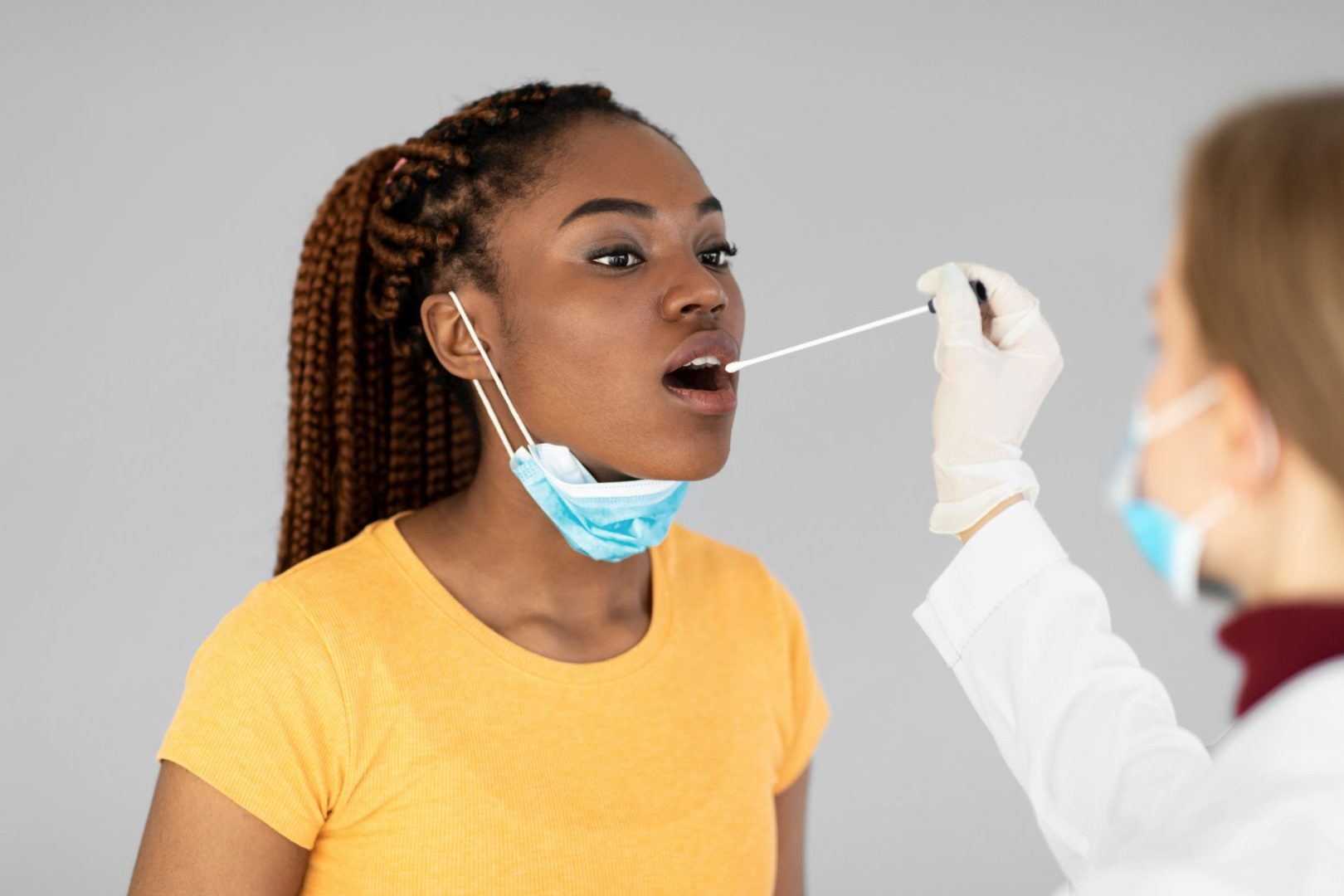
When most people sit down with their dentist, the conversation usually drifts toward cavities or the state of their gums. But there is a growing threat that deserves far more attention, one that has been quietly climbing for the past two decades. Oral cancer now affects an estimated 60,000 Americans each year, and many people have no idea they are at risk.
Oral cancer covers a wide range of diagnoses, from cancers of the tongue and gums to those affecting the tonsils, the inner lining of the mouth and the back of the throat. The good news is that prevention is possible, and in many cases, it starts with habits most people already have access to.
Why oral hygiene is the first line of defense
Dental professionals widely agree that maintaining a strong oral hygiene routine is one of the most effective steps a person can take. That means brushing at least twice a day, flossing daily and keeping up with regular dental visits. Despite how simple this sounds, only about one in three adults flosses every day, leaving much of the population more vulnerable than necessary.
The connection between oral hygiene and cancer risk comes down to bacteria and inflammation. When plaque accumulates on and around the teeth, it creates the conditions for gum disease to develop. Left unchecked, gum disease can progress into a serious infection that damages the bones supporting the teeth. Over time, the bacteria involved in this process can cause DNA damage to surrounding cells and fuel the kind of chronic inflammation that makes it easier for abnormal cells to take hold.
Consistent brushing and flossing help interrupt that cycle before it begins.
How flossing supports a healthier oral microbiome
The mouth is far more complex than most people realize. It functions as the starting point of the digestive system and hosts its own microbiome, a living community of bacteria that, when balanced, helps keep tissues healthy and stable. Research has shown that people who floss daily tend to have a richer, more diverse oral microbiome, which is a strong indicator of a healthy oral environment.
Flossing reaches the spaces between teeth where a toothbrush simply cannot go, and that is precisely where harmful buildup and early inflammation tend to begin. Beyond removing sticky plaque and biofilm, flossing may also influence the fluid environment in the mouth in ways that support healthier bacterial communities over time.
Regular dental visits and oral cancer screening
Seeing a dentist consistently is about more than just a cleaning. People who go less than once a year are statistically more likely to develop certain types of oral cancer, and skipping visits has also been linked to higher rates of head and neck cancers more broadly.
During a routine exam, a dental professional does not only polish teeth and remove tartar. They also conduct a careful physical evaluation of the soft tissues inside the mouth, checking for anything unusual such as sores, patches, lumps or areas that appear discolored or slow to heal. Catching these signs early can make an enormous difference in outcomes. The American Dental Association recommends that most people schedule one to two visits per year.
Other ways to reduce your oral cancer risk
Beyond hygiene, several lifestyle choices play a meaningful role in prevention. Tobacco use in all forms including vaping is considered the most significant and changeable risk factor, as it directly damages the DNA of cells in the mouth. Heavy alcohol consumption compounds that damage considerably, and combining both raises the risk dramatically.
Diet also matters. A pattern of eating rich in fruits and vegetables provides nutrients that support immune function and help guard against a range of cancers. Protecting the lips from UV exposure through SPF products and wide-brimmed hats can lower the risk of lip cancer specifically.
Getting vaccinated against the human papillomavirus is also strongly recommended. HPV is now considered a primary driver behind the rise in oral cancer cases, and the vaccine, typically given in late childhood or early adolescence, offers meaningful protection. Those under 26 may still be eligible, and in some cases, older individuals may qualify as well.