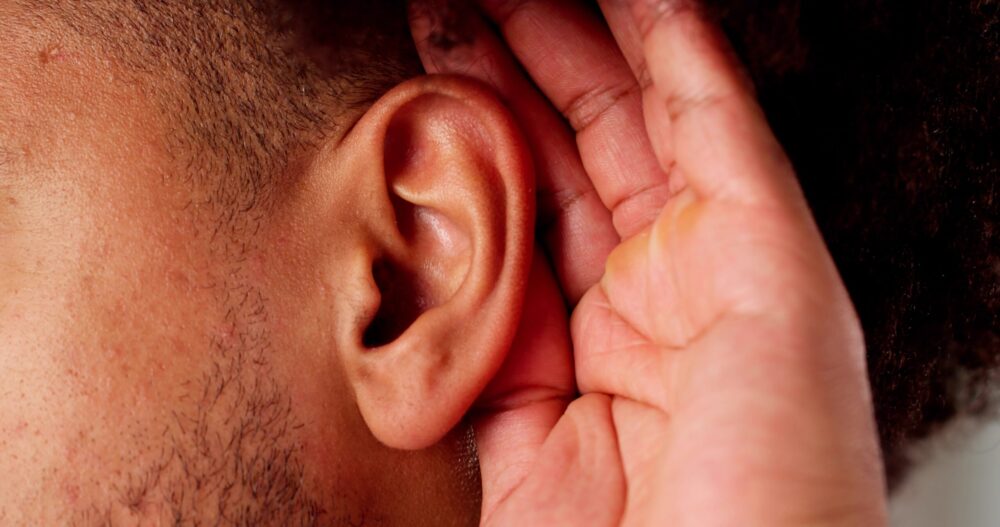
Hearing loss is one of the most common and most undertreated sensory conditions globally, and its consequences extend well beyond the obvious difficulty of following a conversation. Research has established meaningful links between untreated hearing loss and accelerated cognitive decline, social isolation, depression, and increased risk of dementia. The ear is not simply a receiver of sound. It is an active participant in cognitive processing, social connection, and neurological health, and when it is compromised, the brain bears the cost in ways that take years to become visible.
The pattern of hearing loss in modern populations has shifted in ways that concern audiologists and public health researchers alike. Noise-induced damage, once associated primarily with industrial workplaces, has become a significant concern in younger demographics who have grown up with earbuds at volumes and durations that previous generations were never exposed to. The inner ear contains approximately 15,000 hair cells responsible for converting sound vibrations into electrical signals the brain can interpret. These cells do not regenerate once damaged. Every sustained exposure to sound above 85 decibels removes something that cannot be given back.
Why the damage happens before you feel it
One of the cruelest features of noise-induced damage is that it is painless and invisible until a significant portion of the damage is already done. The earliest stages affect the highest frequencies first, which means people lose the ability to distinguish certain consonants before they notice any obvious difficulty hearing. They find themselves hearing voices but struggling to understand words, particularly in noisy environments. They ask for repetition more frequently. They begin avoiding social situations where following conversation requires effort. By the time these patterns prompt an audiology appointment, the underlying loss is typically already substantial.
Tinnitus, the perception of ringing, buzzing, or other sound without external cause, is often an early warning sign of cochlear damage. Approximately 15 percent of adults experience chronic tinnitus, and the majority of cases are associated with some degree of noise-induced or age-related auditory change. There is currently no cure for tinnitus, making prevention the only fully effective strategy.
What the brain does when hearing fades
The connection between auditory decline and dementia has grown stronger with each successive large-scale study. The brain regions involved in auditory processing overlap significantly with those used for memory, attention, and language. When hearing input is degraded, the brain must devote more cognitive resources to decoding sound and less to encoding and retrieving information. Over years, this cognitive load shift appears to contribute to the structural changes associated with dementia, though the causal mechanisms are still being clarified.
Hearing aids represent one of the most underutilized preventive tools in aging medicine. Studies consistently find that people who address age-related auditory decline with hearing aids show slower rates of cognitive decline than those with equivalent loss who go untreated. Yet the average person waits more than seven years between first noticing difficulties and seeking treatment. This delay is not benign. The neurological changes that accumulate during those years of understimulation in the auditory cortex contribute to cognitive decline that earlier intervention may have prevented. The ear is forgiving of many things, but prolonged neglect of documented loss is not among them.
How to protect what you cannot replace
Using noise-reducing earbuds at volumes below 60 percent of maximum, limiting duration at high volumes, wearing ear protection in noisy environments, and having a baseline audiological evaluation in your forties are all evidence-supported strategies. The cochlea does not forget what it has been through, and the sooner this reality is treated as a practical concern rather than an abstract future risk, the more of its irreplaceable capacity a person will carry into the years when social connection and cognitive engagement depend on it most. The standard of care in this domain is prevention, not recovery. The cochlea does not forget what it has been through, and neither should anyone who still has their hearing.