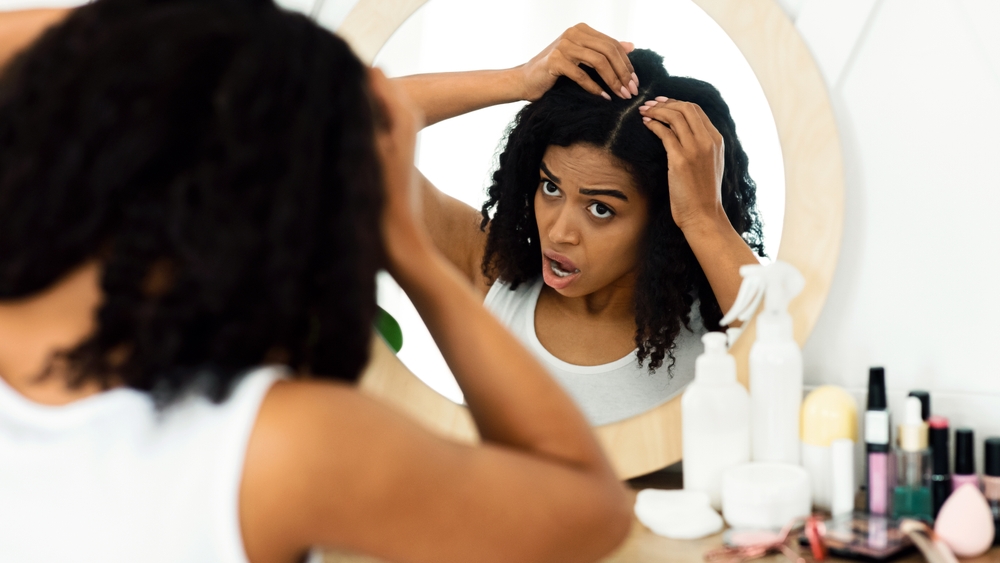
Most people treat hair in their strands as a cosmetic inconvenience. Dermatologists want you to think about them differently. Changes in how your strands grow, shed, feel or look can serve as early indicators of what is happening in other parts of the body, and paying attention to those signals can sometimes lead to catching a health issue before it becomes harder to address.
The connection makes biological sense. Follicles are among the most metabolically active structures in the body, which means they are also among the first to respond when something goes wrong internally, whether that is a hormonal shift, a nutritional gap or a systemic condition like thyroid dysfunction.
Hair changes linked to thyroid function
When the thyroid is not functioning properly, the scalp is often one of the first places the body shows it. Shedding that increases all over the scalp, slower growth and strands that feel unusually dry or rough can all be early indicators of a thyroid problem. The thinning tends to be diffuse rather than patchy, and some people also notice thinning along the outer edges of their eyebrows.
The direction the thyroid is misfiring matters. Slower growth can point toward an underactive thyroid, while shedding that outpaces regrowth may suggest an overactive one. Either way, thyroid function should be tested with a blood panel, and the condition will not resolve on its own. Nutrients like selenium, zinc and iodine play a supporting role in thyroid health, and strand-strengthening oils can help manage the cosmetic effects while the underlying issue is addressed medically.
Strands and iron deficiency
Increased shedding, particularly during washing or brushing, and a general reduction in density without visible bald patches are common early signs of low iron levels. Strands may also look dull and feel weak, and growth can visibly slow. Thinning is often most noticeable at the top of the scalp and along the sides.
When iron is low, the body redirects resources away from growth and toward more essential functions. At the cellular level, reduced ferritin limits oxygen delivery to follicles, which inhibits growth directly. A blood test is the only reliable way to confirm iron deficiency. Foods like lean meats, lentils, spinach and leafy greens support iron intake, and vitamin C improves how effectively the body absorbs it.
Hormonal imbalance and what it does to your hair
Estrogen, testosterone, cortisol and thyroid hormones can all affect strands in distinct ways when their levels shift. Hormonal imbalances may cause thinning in specific areas, patchy loss or increased shedding overall. Texture can also change, becoming dry and brittle or unusually greasy. Some people experience increased facial growth during hormonal transitions like menopause or as a symptom of conditions such as PCOS.
Managing hormonal loss typically requires addressing the root hormonal cause, whether through medication, lifestyle changes or both. Sleep, stress management and nutrient support all play a role in stabilizing hormone levels over time.
Stress, nutrient gaps and dehydration
Stress produces a specific pattern of loss in which a large number of follicles simultaneously enter the shedding phase. The result is diffuse thinning or bald patches that appear weeks after a triggering event. The encouraging news is that this form of loss is usually temporary, and once the stress is reduced, regrowth tends to follow naturally.
Nutrient deficiencies including zinc, biotin, vitamin D, protein and omega-3 fatty acids can make strands weak, brittle and slow to grow. Gut health matters here too. Even a well-balanced diet may not translate into adequate nutrient delivery if digestion and absorption are compromised. Foods rich in protein, healthy fats, nuts, seeds and leafy greens support growth from the inside out.
Dehydration affects strands by reducing blood flow to follicles and limiting the moisture and nutrients they receive. Breakage, static and dullness increase, and the scalp may feel tight or begin to flake. Consistent water intake, electrolyte balance and hydrating hair treatments all help, particularly in dry climates or for people who apply regular heat.
A look in the mirror is not a diagnosis, but changes in your hair can be a useful starting point. When the signals are persistent, a conversation with a doctor is the next step worth taking.