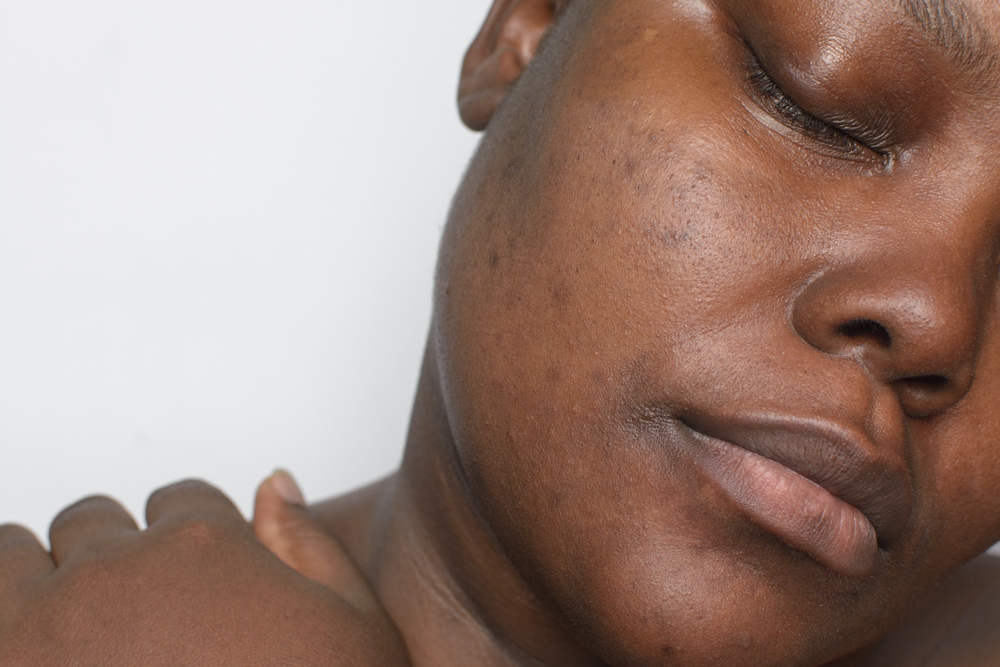
Dark spots can be among the most persistent skincare concerns, particularly after a blemish heals. Even when the original irritation is gone, discoloration can remain for weeks or months.
Dermatologists say the first step toward improving pigmentation is understanding what caused it.
Dark spots develop when pigment producing cells make excess melanin, the substance responsible for skin color. Several common forms can contribute to uneven tone, including sun related spots, melasma and post inflammatory hyperpigmentation that develops after skin has been irritated or injured.
Sun exposure can make existing discoloration more noticeable and may prolong the time it takes for spots to fade. Hormonal changes can also contribute to melasma, while blemishes, scratches and other forms of irritation can leave lingering marks.
Because the causes can vary, there is no single product that works for every type of pigmentation.
Patience matters more than aggressive treatments
One of the biggest misconceptions about dark spots is that they should disappear quickly.
Dermatologists say meaningful improvement usually takes time. Some people may begin noticing changes within several weeks, but more noticeable fading can take months when treatment is consistent.
Trying to speed up the process can actually make things harder.
Using several powerful skincare products at once, over exfoliating or undergoing procedures too aggressively can irritate the skin. That irritation may stimulate additional pigment, potentially creating new discoloration while someone is trying to treat the original spots.
Another common mistake is overlooking daily sun protection.
Without adequate protection, ultraviolet exposure can encourage additional pigment production and make existing spots appear darker. This can effectively work against a carefully planned skincare routine.
For people dealing with melasma, dermatologists also point to visible light as an important consideration. A tinted sunscreen containing iron oxides may provide additional protection against visible light and can be especially useful for people concerned about pigmentation.
Sunscreen is the foundation
Daily sun protection is one of the most important steps for preventing dark spots from becoming more noticeable.
Dermatologists generally recommend broad spectrum SPF 30 or higher every day, with reapplication when spending extended periods outdoors. Wearing a hat, seeking shade and using other physical forms of sun protection can provide another layer of defense.
A consistent sunscreen routine can also help other pigmentation treatments work more effectively by reducing ongoing exposure that can stimulate melanin production.
For people prone to melasma, a tinted SPF 50 containing iron oxides may be worth discussing with a dermatologist.
Treat the reason behind the discoloration
Preventing new spots can be just as important as treating existing ones.
That means managing conditions that cause ongoing inflammation, such as acne or other irritating skin concerns, and avoiding picking at blemishes. A spot that begins with inflammation can leave behind discoloration after the original issue has cleared.
The same principle applies after a cosmetic procedure or skin injury. Protecting the affected area while it heals can help minimize the chance of prolonged discoloration.
Antioxidants such as topical vitamin C may also complement a pigmentation focused routine. Other commonly recommended ingredients include niacinamide and azelaic acid.
However, more ingredients do not necessarily mean faster results. Introducing several active products simultaneously can increase irritation.
A simple routine may be the best starting point
A dermatologist informed routine for uneven pigmentation does not have to contain a long list of products.
In the morning, begin with a gentle cleanser or simply rinse with water if cleansing is unnecessary. Follow with a pigment focused ingredient such as vitamin C, niacinamide or azelaic acid. Apply moisturizer as needed, then finish with broad spectrum sunscreen.
At night, gently cleanse the skin before introducing a retinoid gradually. Someone new to retinoids may begin two or three nights a week rather than using the ingredient every evening. Moisturizer can help support the skin barrier and improve comfort.
If the skin handles the routine well, another targeted ingredient or occasional gentle exfoliation can potentially be introduced. There is no need to layer every available active into one routine.
When dark spots need professional attention
Not every dark mark should automatically be treated as cosmetic pigmentation.
Dermatologists recommend having a new or unusual spot evaluated if it changes in size, shape or color, bleeds or looks noticeably different from surrounding marks. Those changes should not simply be treated at home with a dark spot product.
A dermatologist can determine whether the discoloration is consistent with ordinary pigmentation or requires further evaluation.
For stubborn pigmentation that does not improve with an over the counter routine, prescription options or in office treatments may be appropriate. The best approach depends on the type of pigmentation and the person’s skin.
Some procedures can worsen post inflammatory hyperpigmentation when performed too aggressively, so treatment should be tailored carefully
Fading dark spots is less about finding one miracle product and more about protecting the skin while consistently addressing the underlying cause.
Daily sunscreen, gentle skincare and carefully selected ingredients can provide a strong starting point. Just as important is resisting the temptation to over treat the skin in pursuit of faster results.
With pigmentation, progress is often gradual. Giving the skin time to respond while minimizing new irritation may ultimately be a more effective strategy than constantly changing products.
And when discoloration is persistent, changing or unusual, professional guidance can help determine the safest and most effective next step.