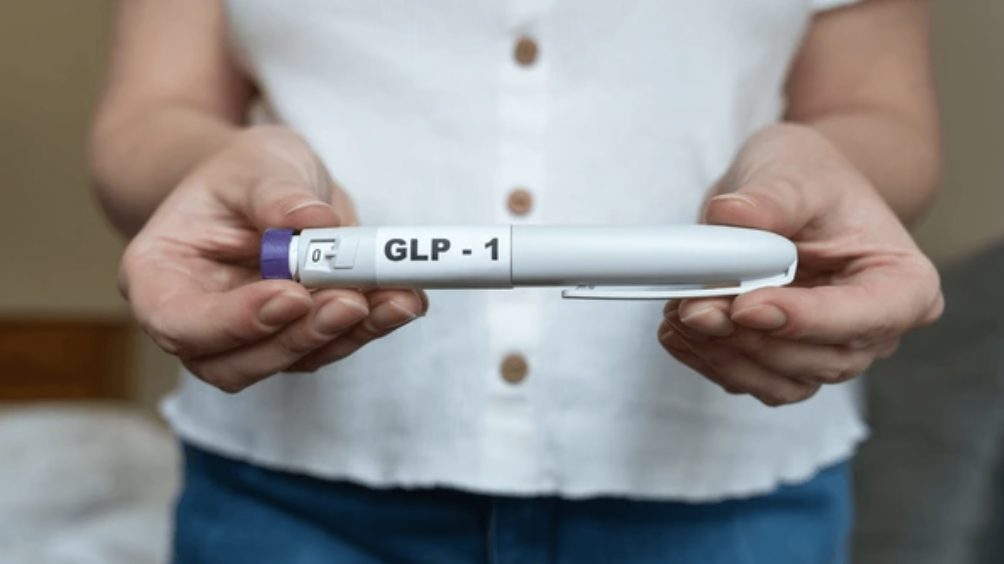
GLP-1 medications have become one of the most talked-about developments in weight management in recent memory, with millions of Americans now using them and millions more expected to join them within the next few years. As their popularity grows, so does an important but underexplored conversation about what people on these drugs should avoid combining with their treatment. Supplements that seem harmless or even beneficial on their own can interact in ways that worsen side effects, reduce effectiveness, or create genuinely dangerous health situations.
The 8 supplements to reconsider while on GLP-1 medications
Fiber supplements are the first category worth examining. These drugs already slow digestion considerably, and adding large amounts of viscous fiber supplements on top of that can amplify bloating, gas, and nausea. Rather than reaching for a supplement, incorporating high-fiber whole foods gradually alongside adequate fluid intake is the safer path forward.
Magnesium oxide presents a different but equally relevant concern. This particular form of magnesium is poorly absorbed even under normal digestive conditions. When the stomach empties more slowly due to the medication, absorption becomes even more difficult, and unabsorbed magnesium can draw fluid into the colon, triggering bloating, cramping, and diarrhea. Better-absorbed alternatives like magnesium glycinate are worth discussing with a physician before making any switch.
Fat burners and stimulants clash directly with this class of drug. Products containing caffeine, guarana, yohimbine, or similar compounds can amplify nausea and stack appetite-suppressing effects on top of what the medication is already doing, raising the risk of dangerously low caloric intake.
Berberine has gained significant attention on social media as a natural blood sugar regulator, but people on GLP-1 medications should approach it with real caution. Since the drug already works to lower blood sugar, combining it with berberine can push glucose levels too low, potentially causing dizziness, fainting, or a medical emergency.
Alpha-lipoic acid, a naturally occurring antioxidant sometimes taken for nerve pain and inflammation, carries the same blood sugar concern as berberine. Its ability to reduce insulin sensitivity makes it a poor companion for anyone already on a glucose-regulating drug.
Appetite suppressants added on top of this treatment create a particularly thin and risky margin between reduced eating and outright malnutrition. The medication already suppresses appetite significantly, and layering additional suppressants can make it extremely difficult to consume enough nutrients to support basic bodily functions.
Chromium, a mineral often marketed for blood sugar control, carries a risk of hypoglycemia when combined with GLP-1 medications or other diabetes treatments. The combined blood-sugar-lowering effect can be far more powerful than either would be alone.
Garcinia cambogia rounds out the list as a supplement that has never been proven effective for weight management and carries a risk of liver damage serious enough that federal health regulators have issued formal warnings about its use. It offers no benefit and introduces unnecessary risk for anyone on a medically supervised weight loss plan.
Why supplement interactions often go undiscussed
Research into how these drugs interact with supplements is still developing. Much of what is currently understood comes from clinical trials and patient-reported experiences rather than large population studies. Many patients also assume that when a physician asks about their medications, the question applies only to prescriptions rather than vitamins and over-the-counter products.
Being fully transparent with both a doctor and pharmacist about every supplement being taken is the most reliable way to avoid harmful interactions and receive accurate, personalized guidance.
Staying healthy beyond the prescription
Supporting overall health on these drugs goes beyond avoiding problematic supplements. Hydration requires deliberate effort since appetite and thirst signals are both reduced. Nutrient-dense foods including whole grains, lean proteins, healthy fats, and fresh produce become even more important when overall food intake drops. Maintaining muscle mass through consistent protein consumption and regular strength training rounds out a genuinely healthy approach, and the details of each should always be shaped in partnership with a physician or registered dietitian.