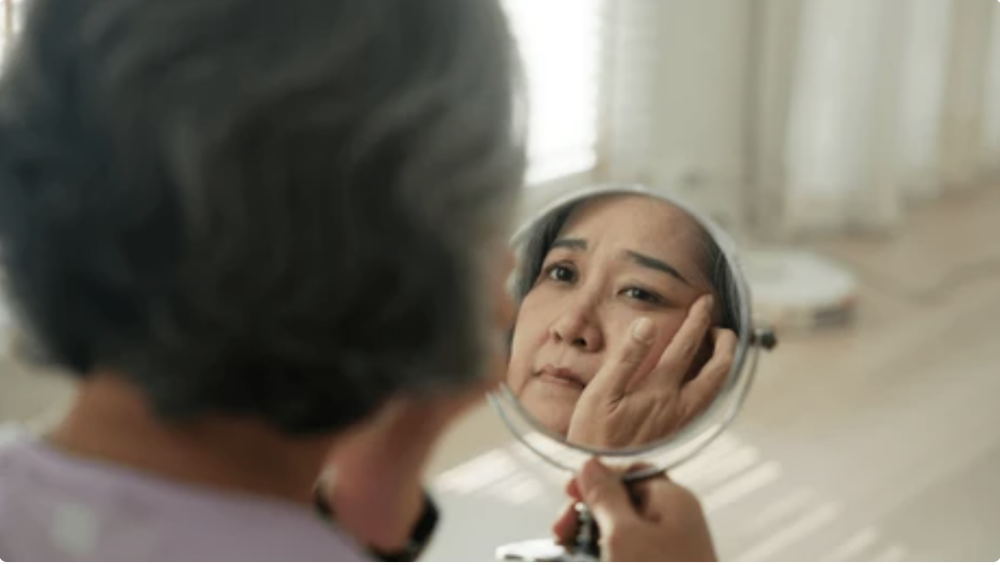
New research suggests museums, theater and concerts may do more than entertain, they may help slow the body’s physiological aging process.
Getting older on paper and getting older in the body are not always the same thing. Physiological aging tracks the wear and tear happening inside cells, tissues and organs, and it can move faster or slower than the number of candles on a birthday cake. Some people’s bodies hold up remarkably well into their 70s and 80s, while others show signs of decline well before their actual age would suggest. Researchers point to a mix of lifestyle habits, underlying health conditions and how socially connected someone stays as key drivers of that gap between the two clocks.
Culture aging clock subheading
A study published in the Journal of Epidemiology and Community Health set out to test whether one of those drivers might be something as simple as going to the theater or wandering through a museum. The research team drew on health records from nearly 1,900 adults aged 50 and older who took part in the English Longitudinal Study of Ageing, a long running project tracking health outcomes over time. Participants reported how often they attended cultural events such as films, concerts, plays and museum exhibits, and researchers compared that engagement against measures of physiological aging.
The results pointed in a consistent direction. Adults who attended cultural events every few months showed an average physiological age of about 66.9 years, notably lower than peers who rarely or never took part in similar activities. Every one point increase on the study’s cultural engagement scale corresponded to roughly 0.085 fewer years, or about 31 days, of physiological aging, a pattern that held up even after researchers adjusted for income and chronic illness. Lead researcher Yusuke Matsuyama said the findings fit a broader pattern connecting cultural participation to improved wellbeing and health outcomes, and he noted that unlike genetics or age itself, how often someone attends a play or a concert is something people can actually choose to change.
Because the study is observational rather than a controlled experiment, it cannot prove that cultural outings directly cause slower aging. Physician Anna Chodos noted that people who regularly attend cultural events also tend to show stronger cognitive function and social ties, both of which independently support healthier aging, making it hard to isolate culture alone as the driving factor. Physician Kamal Wagle said the next step for researchers should be untangling that overlap, along with figuring out whether certain types of cultural activities carry more benefit than others.
Building more culture into daily life
For anyone hoping to act on the findings without overhauling their routine, physician Dung Trinh suggested starting small and picking activities that feel genuinely enjoyable rather than obligatory, since consistency tends to matter more than intensity. A few realistic starting points include stopping by a local museum or gallery every couple of months, catching a community theater production or concert, joining a book or film club, or keeping an eye out for free cultural events nearby. Bringing a friend or family member along can add a social dimension that may compound the benefits, and for people facing cost or transportation barriers, many communities offer discounted or free options worth seeking out.
The overall message researchers want to send is one of cautious optimism. Cultural engagement looks like a promising piece of the healthy aging puzzle, standing alongside more familiar habits like exercise and diet, even though scientists still need more work to nail down exactly how much of the effect comes from culture itself versus the social and cognitive benefits that tend to travel alongside it. In the meantime, a trip to a museum or a night at the theater might be doing more for the body than it gets credit for.