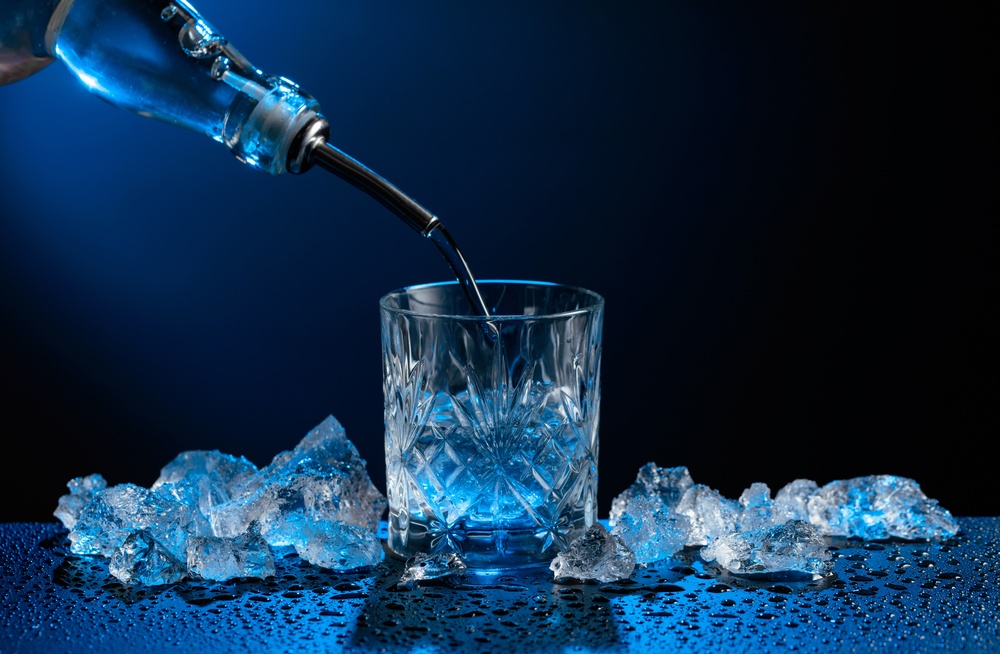
The clear pour with a squeaky-clean image is reshaping sleep, mood and heart health
Vodka has earned a reputation as the clean choice, the pour that supposedly slips through your system without leaving a trace. That image does a lot of heavy lifting, and it is not entirely honest. Underneath the crystal surface, vodka behaves in the body much like any other distilled spirit, and the wellness story hiding behind the marketing deserves a much closer look.
Why vodka feels lighter than it is
The illusion starts with what you cannot see. Vodka carries fewer congeners, the compounds that give darker drinks their color and their punishing hangovers. Fewer congeners can mean a slightly softer morning, and that is exactly where the myth takes root. The ethanol is the part that matters most, though, and at roughly 40% strength one standard shot of vodka delivers about the same load as a glass of wine or a can of beer.
Your liver processes it the same slow way, close to one drink an hour, and no amount of coffee, cold water or willpower speeds that clock up. The clear color is cosmetic. What reaches your bloodstream is identical to the darker drinks people treat with more caution.
What a nightly pour does to sleep and mood
Plenty of people reach for vodka to decompress after a long day, and it does bring a quick wave of drowsiness. The trouble arrives a few hours later. As the body clears it, sleep fractures, the deep restorative stages shrink, and you wake around 3 a.m. wide awake for no obvious reason. Stretch that pattern over a few weeks and the broken rest starts eroding focus, patience and mood. The cruel twist is emotional. A drink can feel like it calms the nerves tonight while quietly sharpening anxiety and low mood the very next day, which nudges some people toward another pour to smooth the edge again.
The vodka toll on your heart and waistline
Here is the part the marketing quietly skips. A single shot runs around 95 calories with zero nutrients behind it, so a few rounds can erase a disciplined day of eating faster than most of us want to admit. Regular heavy drinking pushes blood pressure upward, strains the heart over time and raises the risk of an irregular rhythm that clinicians sometimes call holiday heart. The liver, forced to prioritize clearing vodka over burning fat, tends to store more of whatever you ate alongside it. None of this shows up overnight, which is precisely why it slips past so many of us until a routine checkup delivers some uncomfortable math.
How to enjoy vodka without the regret
The goal here is not fear, it is rhythm and a little honesty with yourself. Small, boring changes protect the ritual without handing over your long-term health.
- Chase every vodka drink with a full glass of water
- Set a weekly cap instead of counting only tonight
- Eat a real meal before the first pour
- Protect three or four completely dry days each week
- Stop drinking at least three hours before bed
Community wellness is shaped far less by the dramatic choices and far more by the small ones repeated quietly for years. Vodka is not a villain, and the occasional celebration will not undo anyone. The real danger lives in the nightly habit that feels harmless simply because the glass looks so clean and the drink goes down so smooth. Treat vodka as an occasional guest rather than a standing fixture, pay close attention to how your body answers the next morning, and let that honest feedback guide the next pour. Your sleep, your heart and your future self will quietly thank you for it.