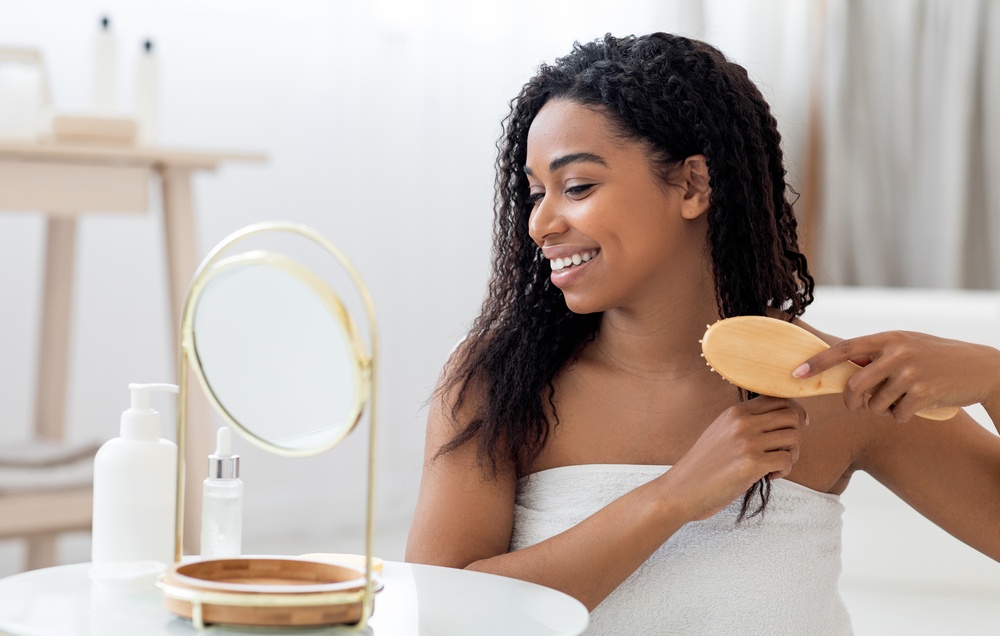
The everyday habits quietly weakening your strands and the simple fixes that help them grow strong
Few things are as frustrating as watching your hair snap, split and thin no matter how much you baby it. Breakage is one of the most common hair struggles, and it often traces back to everyday habits that seem completely harmless. Strands weaken slowly, so the damage tends to sneak up until it feels impossible to ignore. The good news is that once you know the culprits, most breakage is preventable and even reversible. Here are five common causes of hair breakage and how to turn things around.
What quietly weakens your hair
Strong hair depends on a healthy scalp and a protected outer layer called the cuticle. When that layer gets stripped or stressed, strands lose moisture and elasticity, which makes them far more prone to snapping under everyday tension. Spotting the real cause is the first step toward reversing the damage for good, so it helps to look honestly at your routine. Understanding how each strand is built makes the fixes ahead feel far less like guesswork and much more within your control.
1. Heat styling without protection
Flat irons, curling wands and blow-dryers can cook moisture out of each strand, leaving it dry and fragile. Turning down the temperature and always applying a heat protectant first shields against lasting harm. Giving your strands regular heat-free days lets them recover and hold on to their natural strength.
2. Tight styles and rough handling
Constant tight ponytails, braids and buns pull at the roots and stress the shaft until strands give way. Yanking a brush through knots makes it worse. Looser styles and gentle detangling from the ends upward spare your hair unnecessary tension and let it stay intact far longer.
3. Over-washing and harsh products
Stripping away natural oils leaves strands dry, rough and brittle. Washing too often, or using formulas loaded with sulfates and drying alcohols, chips away at the protective layer. Cleansing less frequently and choosing gentle, moisturizing products helps your hair hold on to the moisture it truly needs to stay flexible.
4. Skipping moisture and protein
Healthy strands need a careful balance of hydration and strength. Too little moisture makes them snap, while too little protein leaves them limp and weak. Regular conditioning, deep treatments and the occasional protein mask keep strands supple and resilient, so aim for a balance rather than overloading on one.
5. Poor diet and ongoing stress
What happens inside shows up on your head. A diet short on protein, iron and key vitamins can starve growth at the root, while constant stress can push strands into a shedding phase. Nourishing meals, steady hydration and stress relief all support stronger growth from the inside out.
How to help your hair recover
Reversing breakage takes patience far more than expensive products. Trim away damaged ends so splits do not travel up the strand, and give fresh growth a healthy environment to thrive. Protect your hair at night with a satin scarf or pillowcase, which cuts the friction that causes snapping while you sleep and preserves your progress.
Consistency is everything here. A gentle routine built around moisture, low heat and careful handling will show real results within a few months of steady effort. If hair loss is sudden, patchy or severe, it is worth checking with a doctor or dermatologist, since it can occasionally signal an underlying health issue rather than simple damage.
For most people, though, kinder habits are enough to bring lifeless strands back to life. Patience is the hardest part, since strands grow only about half an inch a month, so the proof shows up gradually rather than overnight. Track your progress with photos every few weeks instead of discouraging daily mirror checks. Small, steady wins still count over the long run, and they slowly compound into a fuller, healthier head over time. Treat your strands with steady care, and stronger hair will surely follow.