Can potassium lower blood pressure as much as cutting sodium can. New research published in The American Journal of Clinical Nutrition argues that the sodium to potassium ratio predicts heart health better than sodium intake alone, and the American Heart Association’s 2026 dietary guidance now backs a combined approach of raising this mineral while lowering sodium rather than focusing on salt by itself.
Why has sodium gotten most of the attention until now?
Public health messaging spent decades treating sodium reduction as the main lever for controlling hypertension, and that focus wasn’t wrong, just incomplete. Federal data going back to 1971 shows the average American’s sodium to potassium ratio has never dropped below 0.83, far above the roughly 0.3 to 0.5 ratio dietary guidelines actually call for. Fewer than two hundredths of one percent of adults hit both targets at once, which suggests the guidelines themselves may have been asking for something the modern food supply makes almost impossible to achieve.
How much does this mineral actually change blood pressure numbers?
Registered dietitian Jen Hernandez says adding roughly 2,000 mg of potassium daily can lower systolic blood pressure by about 5 mmHg and diastolic pressure by about 3 mmHg in people with hypertension. The American Heart Association recommends adults aim for 3,500 mg to 5,000 mg of it a day, ideally from food rather than supplements, since it works by helping the body flush excess sodium through urine while easing tension in blood vessel walls.
What foods actually deliver a meaningful boost?
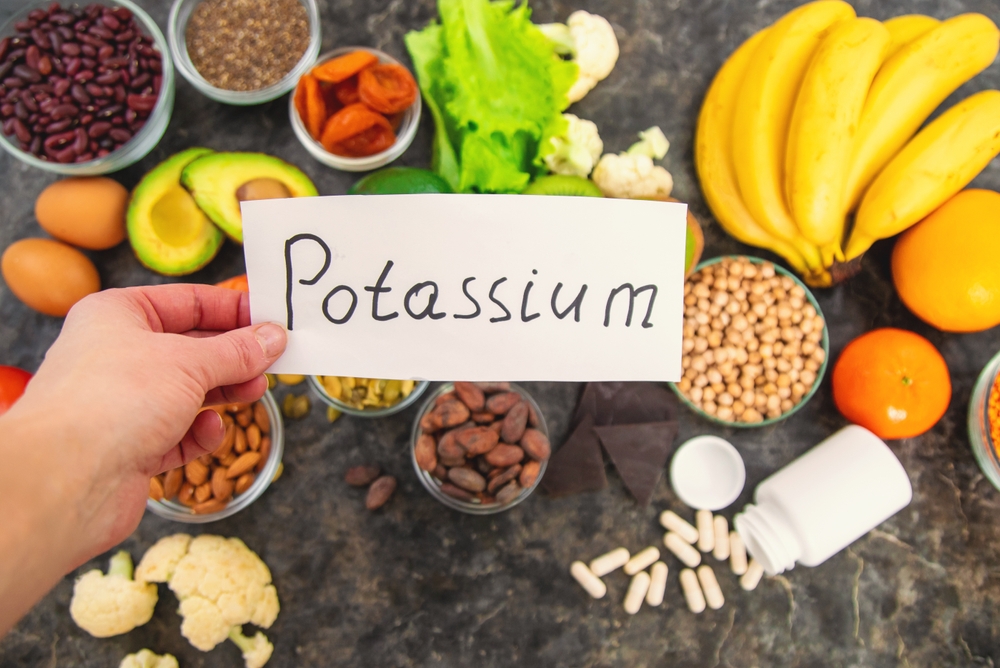
A single medium baked potato with the skin on delivers 919 mg of potassium, more than most people expect from a starchy side dish. A small baked salmon filet provides 763 mg, half a cup of cooked spinach adds 591 mg, and a cup of raw cantaloupe brings 417 mg. Even a glass of 1% milk contributes close to 400 mg, and half a cup of cooked pinto beans adds another 373 mg, making it realistic to reach several thousand milligrams across a normal day of eating without relying on any single food.
Why isn’t more of this mineral automatically safer for everyone?
Here’s the part that gets skipped in a lot of the coverage. Cardiologist Leonard Pianko points out that certain blood pressure medications, particularly ACE inhibitors, do not mix well with excess potassium (6), since the combination can trigger dangerous heart arrhythmias in some patients. People with chronic kidney disease or existing high blood potassium levels face similar risk and should not increase their intake without medical guidance first, since the same mineral that helps a healthy heart can become genuinely dangerous for a compromised one.
How soon would someone notice a difference?
Physician Yaz Daaboul explains the two nutrients work on different timelines. Cutting sodium tends to lower blood pressure fairly quickly by reducing total fluid volume in the body, while this mineral’s effect builds more gradually as it works to relax blood vessels over time. Some people notice changes within a week of adjusting their diet, while others need several weeks before numbers move, and genetics, age and existing medications all play a role in how fast results show up.
Researcher Naomi Fukagawa, who worked on the new paper, argues nutrition science needs to stop treating sodium and potassium as separate problems, since the body responds to both minerals together rather than one at a time. That framing may end up mattering more than any single food swap, since it points toward rethinking public health guidance itself rather than just handing people another list of foods to eat.
This article discusses general nutrition research and is not a substitute for personalized medical advice. Anyone managing high blood pressure or kidney conditions should talk to a doctor or dietitian before changing their intake of this mineral.