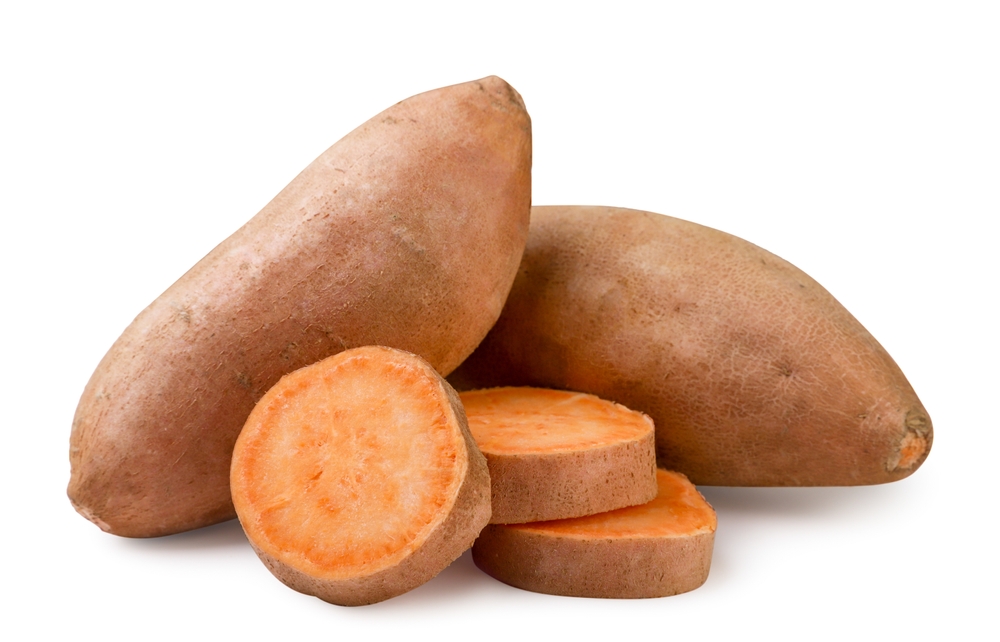
Sweet potatoes sit quietly in kitchens around the world, yet they carry more culinary weight than many realize. They are flexible, nutrient rich, and deeply rooted in food traditions across cultures, including long standing use in African American cooking. Choosing the right ones, however, often comes down to small details that make a noticeable difference once they reach the plate.
Sweet potato selection starts with the skin
The first clue to quality is appearance. A good sweet potato should have firm, smooth skin with no visible damage. The surface should feel tight rather than loose or wrinkled. Any cracks, bruises, or soft spots often signal that the vegetable is past its prime.
Freshness can also be felt. A quality sweet potato usually carries a sense of weight in the hand. That density suggests moisture inside, which often translates to better texture when cooked. Lighter or shriveled ones tend to be dry or aged.
Smell can offer another subtle signal. A clean, earthy scent is normal. Anything sharp or sour suggests spoilage and should be avoided.
Size and texture matter more than appearance
Bigger does not always mean better. Large sweet potatoes often develop fibrous interiors that can feel stringy when cooked. Medium sized ones tend to offer a smoother texture and more consistent cooking results.
Uniform shape also helps. Even sized pieces cook at the same rate, which matters when roasting or boiling. Irregular shapes can lead to uneven softness or dryness in the same batch.
Different sweet potato types bring different results
Not all sweet potatoes behave the same in the kitchen. Their color and texture often hint at how they will taste once cooked.
Orange fleshed varieties such as Beauregard and Jewel are moist and naturally sweet. They are commonly used in baked dishes and pies.
White or cream fleshed types, including Hannah and O Henry, have a lighter flavor and drier texture. They work well when a less sweet profile is preferred.
Purple varieties like Stokes and Okinawan stand out for their dense texture and earthy taste. They also contain high levels of natural antioxidants.
Red skinned Japanese varieties tend to be firm with a slightly nutty flavor, making them suitable for roasting or steaming.
Each type brings a slightly different cooking experience, which is why many home cooks choose based on the dish rather than habit.
Storage shapes freshness and flavor
How sweet potatoes are stored has a direct effect on their quality. They prefer cool, dry, and well ventilated spaces. A pantry or cupboard often works better than a refrigerator.
Cold temperatures can change their texture, creating a hard center and dull flavor. That is why refrigeration is generally avoided for whole sweet potatoes.
Airflow also matters. Storing them in plastic bags can trap moisture, which increases the risk of spoilage. A basket, paper bag, or open container allows them to breathe and stay firm longer.
When kept properly, they usually last up to two weeks before quality begins to decline.
Handling cut sweet potatoes
Once cut, sweet potatoes require more care. Exposure to air can dry them out quickly. Wrapping them tightly and placing them in the refrigerator helps preserve them for a short period, usually up to two days.
For longer storage, blanching before freezing helps maintain texture and flavor. This method slows down deterioration and makes them easier to use later in cooking.
Why small choices make a difference
Sweet potatoes are simple, but small decisions during selection and storage influence how they cook. A fresh, well stored root will roast more evenly, mash more smoothly, and hold its natural sweetness better than one that has been mishandled.
That difference shows up in everyday meals, from weeknight sides to traditional holiday dishes. It also reduces waste, since properly stored sweet potatoes last longer and maintain their quality.
A staple worth understanding
Sweet potatoes continue to earn their place in kitchens because of their versatility and nutritional value. They can be baked, roasted, mashed, or added to soups and stews without losing their identity.
Knowing how to choose and store them simply makes the experience better. It turns a common ingredient into one that consistently delivers reliable results.
In the end, the best sweet potato is not just about variety. It is about freshness, handling, and a bit of attention before it ever reaches the stove.