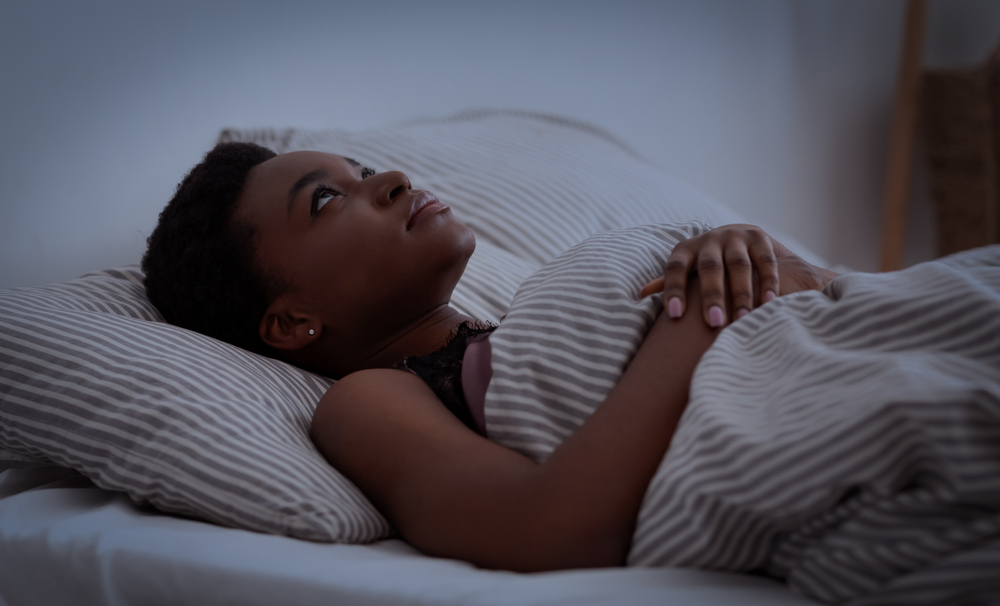
More Americans are sleeping less, and everyday habits are a big part of the reason. A study of more than 429,000 U.S. adults found that the share of people sleeping too little rose significantly between 2004 and 2018 across Black, Hispanic and white adults. Doctors point to the same habits again and again, including late meals, late caffeine, nightcaps, long naps and an irregular schedule. Stress, screens and long work hours add to the problem.
The timing makes it worse right now. The clocks fell back on Nov. 1, the days are getting shorter, and holiday stress is starting to build. Here are eight habits that could be keeping you awake, along with what sleep experts recommend instead.
1. Are you eating too close to bedtime?
A big dinner late at night can keep your body working when it should be winding down. The Cleveland Clinic recommends stopping eating about three hours before bed. Lying down on a full stomach can trigger heartburn and reflux, and late meals are harder for your body to process at night. If you need a late snack, keep it small and light.
2. Is caffeine or nicotine still in your system?
That afternoon coffee may still be affecting you at midnight. Recommendations for when to stop range from four to six hours before bed to about nine, and the CDC suggests cutting off caffeine by noon. Tea, soda and chocolate count too. People react differently to caffeine, so pay attention to how it affects you. Nicotine is also a stimulant, and smokers tend to sleep worse than nonsmokers.
3. Do you rely on a nightcap?
A drink before bed can make you sleepy, but it backfires later in the night. Neurologist Brandon Peters writes for Verywell Health that alcohol disrupts sleep stages as it wears off and can make snoring and sleep apnea worse. Health.com notes that it also cuts into REM sleep, the stage your brain uses to process emotional memories.
4. Are your naps too long or too late?
Naps can help, but only if they’re short and early. Cleveland Clinic psychologist Alaina Tiani told Fortune to keep naps under 30 minutes and take them as far from bedtime as possible. Longer naps can pull you into deep sleep, which leaves you groggy and makes it harder to fall asleep at night. If you suddenly need naps every day, talk to your doctor.
5. Does your sleep schedule change every weekend?
This may be the habit that matters most. A study of nearly 61,000 people in the journal Sleep found that keeping a regular sleep schedule predicted the risk of early death more strongly than total hours of sleep. Staying up until 2 a.m. on Saturday and sleeping until noon throws off your body clock. Wake up at the same time every day, weekends included, and go to bed when you feel sleepy.
6. Are you working out right before bed?
Exercise improves sleep, but timing matters. A hard workout within a few hours of bedtime raises your body temperature, heart rate and blood pressure just when they should be dropping. It also releases endorphins that can keep you alert. If evening is your only time to exercise, choose something lighter like stretching or yoga, and give yourself time to cool down.
7. Is your bedroom also your office and movie theater?
When your bedroom is full of TVs, laptops and phones, your brain stays engaged instead of settling down. The light from screens can disrupt sleep, and scrolling keeps your mind active. Peters recommends charging your phone in the kitchen. Keep the bedroom dark, quiet and cool, and use it mainly for sleep.
8. Do you lie awake hoping sleep will come?
Going straight from a busy evening to bed rarely works, and staying in bed while frustrated makes it worse. The National Heart, Lung, and Blood Institute recommends an hour of quiet time before bed, such as reading a physical book, taking a warm shower or listening to calm music. If you’re still awake after 20 to 30 minutes, get up and do something quiet in dim light until you feel sleepy. Health.com notes that writing a detailed to-do list for the next day can help you fall asleep faster.
Why can’t some people fix their sleep with better habits?
Habits matter, but they don’t explain everything. A CDC analysis of 2018 data found that 45.4% of Black adults got less than seven hours of sleep, compared with 33.2% of white adults. The Yale-led study found the gap was largest among Black women and Black adults with middle or high incomes, which points to stress, work conditions and environment rather than individual choices alone.
Sleep apnea is another overlooked factor. Research shows Black patients are less likely to be made aware of, tested for and treated for sleep apnea. If you snore loudly, wake up gasping, or feel exhausted after a full night in bed, ask your doctor about a sleep study. Cognitive behavioral therapy for insomnia is an effective option that doesn’t involve medication, and sleep medications aren’t recommended as a first fix. Start with the eight habits above, and if they aren’t enough, get help.