Your morning routine can do more than help you prepare for the day ahead. A handful of consistent habits may also support cardiovascular and vascular health, which can play an important role in lowering your risk of stroke.
While stroke is often associated with older adults, younger people can also face risk, particularly as conditions such as high blood pressure, diabetes and heart disease become more common..
Here are six habits worth considering.
1. Take prescribed medications
If you take medication for high blood pressure or cholesterol, making it part of your morning routine can help you stay consistent.
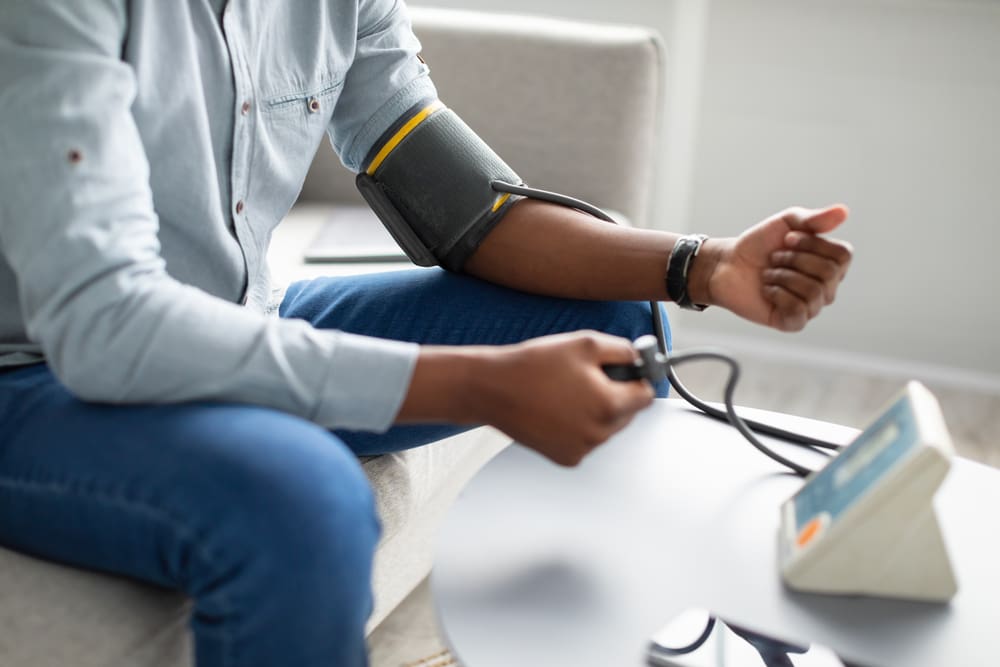
Keeping medications somewhere you naturally look each morning, such as near your toothbrush, may make remembering them easier. Blood pressure management is particularly important because elevated levels can contribute to cardiovascular problems and increase stroke risk.
If you are unsure whether your current treatment plan is appropriate, talk with your health care professional rather than changing or adding medication on your own.
2. Make time for calm and connection
Stress management can be another useful part of a healthy morning. Spending a few quiet minutes meditating, praying or reading something uplifting may help you begin the day in a calmer state.
Social connection can also be beneficial. A hug from someone you love, time with a pet or a quick message to a friend can provide a moment of connection before the day’s responsibilities begin.
3. Think carefully about your coffee additions
Coffee itself does not necessarily need to disappear from your morning routine. For most healthy adults, moderate caffeine consumption can fit into a balanced lifestyle.
However, some artificial sweeteners have raised concerns in cardiovascular research. Xylitol, for example, has been associated in research with factors related to clotting and cardiovascular events.
If you use sweeteners regularly, consider discussing your choices with a health care professional, particularly if you have existing cardiovascular concerns.
4. Get your body moving
You do not have to complete a full workout before work to make movement part of your morning.
Walking part of your commute, taking the stairs, parking farther away or taking a brief walk after breakfast can help you spend less time sitting. Fitness trackers and smartphone apps may also provide useful reminders to move throughout the day.
A daily goal of at least 7,000 steps can be a reasonable target for many people, although individual needs vary.
5. Avoid cigarettes and vaping
Smoking is one of the most significant lifestyle factors associated with cardiovascular and vascular problems. Vaping is not considered a harmless alternative, either.
For people who smoke or vape, quitting can be one of the most meaningful changes they make for their long-term health. A health care professional can help identify strategies, support programs and other resources that may make quitting more manageable.
6. Choose a balanced breakfast
A nutritious breakfast can provide an easy opportunity to add foods associated with cardiovascular health.
One option is cottage cheese with fresh fruit and ground flaxseeds. Flaxseeds provide fiber and plant-based omega-3 fatty acids, while fruit adds vitamins and other beneficial nutrients.
Other balanced combinations can work, too. The key is to prioritize nutrient-rich foods and limit breakfasts that contain large amounts of added sugar. Keeping blood sugar levels and overall metabolic health in check is important because diabetes is another significant factor associated with stroke risk.
The bottom line
A healthy morning does not have to involve major lifestyle changes. Taking prescribed medications consistently, managing stress, moving more, avoiding nicotine and choosing nutritious foods can all contribute to better cardiovascular health.
The most important part is consistency. If you have questions about your individual stroke risk or want to make changes to your routine, speak with a qualified health care professional who can provide advice based on your medical history.