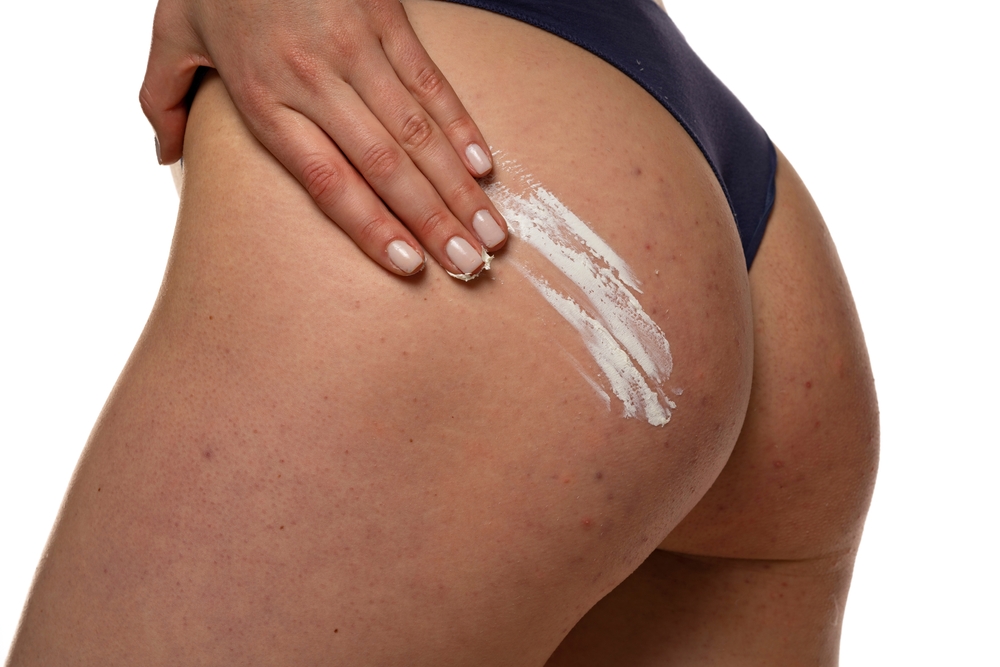
Bumps on the buttocks that look like pimples are usually not acne at all. The skin in the buttocks area does not have the same concentration of oil glands as the face, so what looks like a breakout is more often folliculitis, keratosis pilaris, contact dermatitis or a boil, each with its own cause and its own treatment.
What is causing the bumps
Folliculitis develops when hair follicles become inflamed, often from tight clothing, heavy sweating or ingrown hairs, and it tends to clear up on its own once the irritation stops. Keratosis pilaris happens when keratin, a protein that normally protects the skin, builds up inside hair follicles and creates a rough, bumpy texture that commonly shows up on the buttocks, thighs and arms. It can feel itchy for some people, but it is not contagious and often fades without any treatment at all. Contact dermatitis is a reaction to something the skin has touched, such as a harsh soap, detergent or a plant like poison ivy, and it usually shows up as red bumps that can progress into blisters or scaly patches. Boils in the buttocks are a different situation entirely, caused by a bacterial infection inside a hair follicle, and they tend to be painful, swollen and sometimes filled with discharge.
How can these conditions be treated at home
Treatment really depends on which condition is behind the breakout. Folliculitis and boils typically respond well to a warm compress held against the skin for 15 to 20 minutes a few times a day, along with keeping the area clean and dry.
Contact dermatitis improves once the irritating product or plant is identified and avoided, and calamine lotion or an oatmeal bath can calm the itching in the meantime. Keratosis pilaris responds best to regular exfoliation paired with a moisturizer containing alpha hydroxy acid or salicylic acid, which helps break down the keratin buildup over time. Cool compresses can ease itching regardless of the underlying cause, and anyone who suspects shaving or waxing triggered the irritation should hold off on both for about 30 days to let the buttocks skin recover.
Can these breakouts be prevented
Prevention comes down to a handful of daily habits. Loose fitting clothing reduces friction and trapped moisture, which matters most in hot or humid weather. Regular moisturizing helps keep keratosis pilaris from flaring, and clean, dry hot tubs lower the risk of folliculitis, since bacteria can thrive in poorly maintained water. Rinsing swimwear after every use cuts down on bacterial exposure, and shaving in the direction hair grows rather than against it reduces irritation and ingrown hairs. General hygiene, including regular bathing and keeping the skin dry, goes a long way toward preventing most of these conditions from starting in your buttocks in the first place.
When should you see a doctor
Most cases of folliculitis, contact dermatitis, keratosis pilaris and boils clear up with basic home care, but symptoms lasting longer than a week or getting worse are a sign to see a healthcare provider. A dermatologist can identify the specific allergen behind contact dermatitis or drain a boil that isn’t resolving on its own. Immediate medical attention is warranted if a fever develops, if the pain becomes severe, if there is foul smelling discharge, if the bump keeps growing or if red streaks or swelling spread beyond the original area, since these can signal a more serious infection.
Bumps on the buttocks can be frustrating, but most causes are common, well understood and manageable once identified correctly. Paying attention to the specific pattern of symptoms usually points to the right cause, and the right treatment follows from there.