Doctors are sending out a clear warning as record breaking heat waves continue to sweep the country this summer: that ice cold cocktail or beer might feel like the perfect way to cool off, but it could actually be putting your health at serious risk.
While reaching for alcohol during a scorching afternoon may seem like a natural way to unwind, medical experts say the combination of high temperatures and drinking can quickly turn dangerous. Alcohol interferes with the body’s ability to regulate its own temperature, disrupting the natural cooling process that happens through sweating.
The problem goes beyond just missing out on a normal cooling response. Alcohol is a diuretic, meaning it increases urination, and it also suppresses the antidiuretic hormone known as vasopressin. That hormone plays a key role in helping the kidneys retain fluid and keep the body’s water levels balanced. When alcohol blocks its production, the body loses fluids at a faster rate than usual, a dangerous combination when temperatures are already pushing the body toward dehydration.
The risk of overheating
In extreme heat, that fluid loss can escalate quickly. Depending on how much a person drinks and the alcohol content of their beverage, dehydration can progress into heat exhaustion or, in the most severe cases, heat stroke. Both conditions can require emergency medical attention and can become life threatening if not treated promptly.
Mixers and sugar make it worse
Doctors note that the type of drink matters too. Sugary sodas, juices and cocktail mixers, along with any caffeine consumed earlier in the day, can intensify alcohol’s dehydrating effects. Skipping meals compounds the danger further, increasing the likelihood of symptoms like dizziness, confusion and fainting. For that reason, experts recommend avoiding wine, beer and cocktails altogether during periods of extreme heat, and prioritizing water and rest instead.
How much water is enough
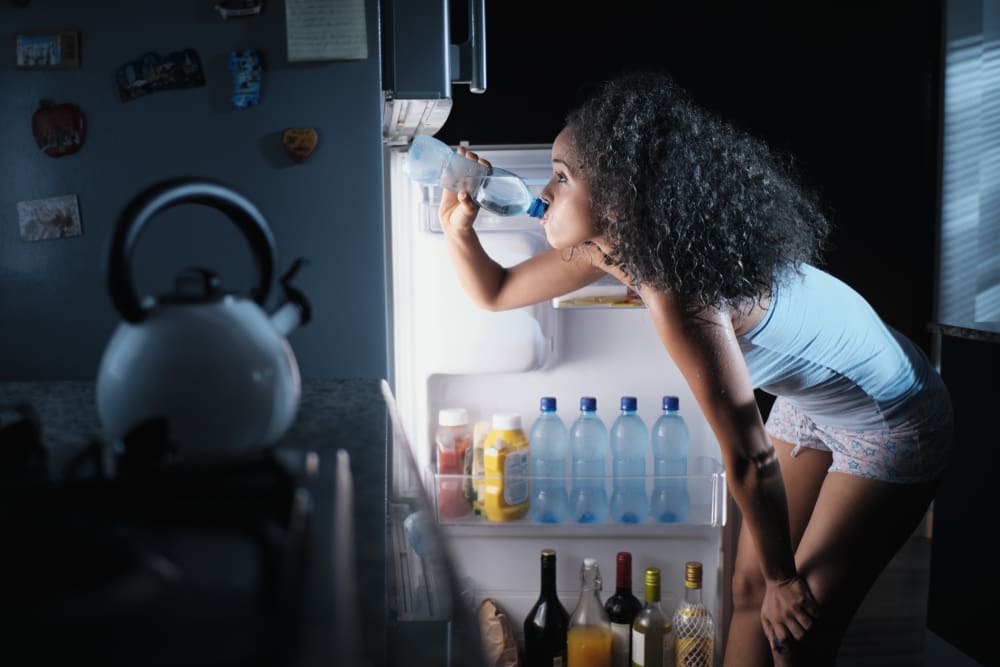
Staying properly hydrated is always important for overall health, but it becomes especially critical when temperatures spike. On average, adults are advised to drink between 11.5 and 15.5 cups of water daily. During a heat wave, that number should increase, particularly for anyone spending time outdoors or engaging in physical activity. A general guideline is to drink about 8 ounces of water every 20 minutes when active in the heat.
Simple ways to stay cool and safe
Beyond cutting back on alcohol, there are several steps people can take to protect themselves when the mercury rises. Spending time in shaded or air conditioned spaces, wearing light and breathable clothing, and prioritizing rest can all help the body manage the heat more effectively. Experts caution that the effects of high temperatures can sneak up quickly, so it is important to pay attention to warning signs like fatigue, headache or lightheadedness before they escalate.
Refreshing alternatives to alcohol
For those craving something festive at a summer gathering or poolside hangout, there is no shortage of hydrating, low sugar alternatives to alcoholic drinks. Naturally refreshing options like lemonade or flavored sparkling water can satisfy a craving for something fizzy or sweet without the dehydrating effects of alcohol. Fruity, nonalcoholic mocktails, such as a watermelon and mint margarita or a lavender infused lemonade, offer a festive presentation while keeping the body hydrated.
Juices packed with vitamins and minerals are another smart option, and for anyone who plans to be especially active or sweating throughout the day, electrolyte mixes or sports drinks can help replenish salts lost through perspiration.
If you do choose to drink
For those who still want to enjoy an alcoholic beverage during a heat wave, moderation is essential. Experts suggest alternating each alcoholic drink with 8 to 12 ounces of water to help offset the dehydrating effects. It is also important to check in regularly with how the body feels, since symptoms of dehydration can develop gradually before becoming severe.
Ultimately, the safest approach during extreme heat is to skip alcohol entirely and lean into hydrating alternatives instead. With record temperatures becoming more common each summer, small choices like swapping a cocktail for a glass of water or a mocktail can make a meaningful difference in staying safe, energized and healthy until the heat wave passes.