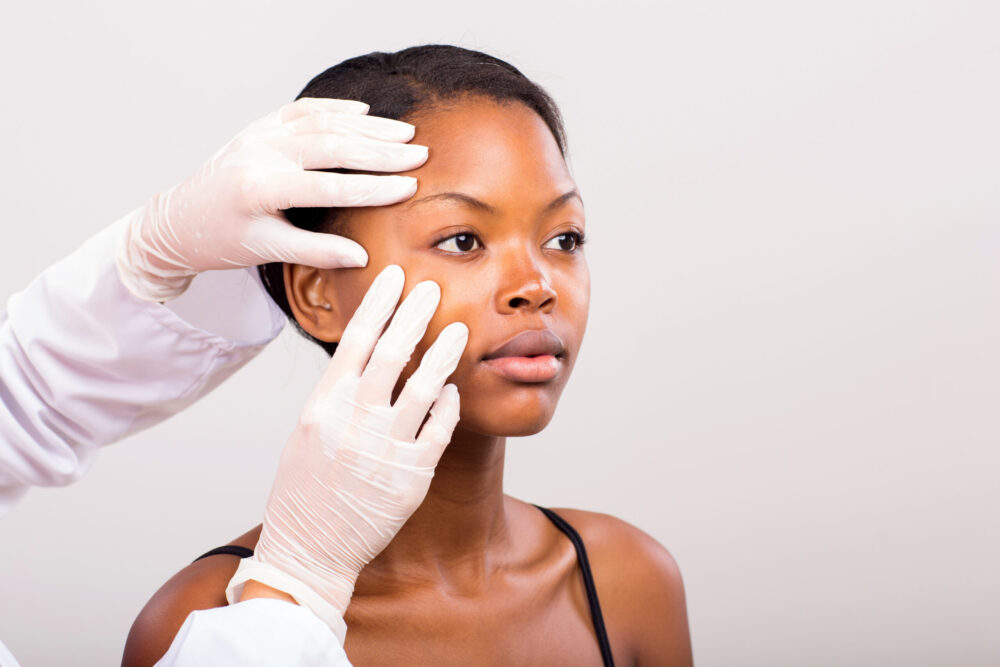
Skin infections develop when bacteria, viruses, fungi or parasites break through the skin’s surface and take hold, often triggering pain, swelling and visible changes in color. They differ from ordinary rashes, which involve irritation or swelling without necessarily involving an infectious cause, though a rash can sometimes signal one. Broadly, skin infections fall into four categories, bacterial, viral, fungal and parasitic, and recognizing which type is at play often determines whether home care is enough or a doctor’s visit is warranted.
Cellulitis moves fast and needs quick attention
Cellulitis is a bacterial infection that takes hold in the deeper layers of skin and surrounding tissue, and it is far from rare. The American Academy of Dermatology estimates doctors diagnose roughly 14.5 million cases in the United States each year. The affected area typically swells and shifts color, appearing red or pink on lighter skin and purple, brown or darker than the surrounding tissue on deeper skin tones, often without a clearly defined edge. The area usually feels warm and firm to the touch. In children, cellulitis tends to show up on the face, while adults more often see it on the lower legs. Left untreated, it can progress to a bloodstream infection, making early treatment with oral or, in more serious cases, intravenous antibiotics essential, alongside rest and elevating the affected area.
Warts vary widely depending on where they appear
Warts form when a virus infects the outer layer of skin, and they spread easily through direct contact. Their appearance changes considerably by type. Common warts tend to affect the hands and feet and can grow as large as a pea, often with a scaly texture. Plantar warts appear on the feet and can become painful when pressure from walking pushes them inward. Mosaic warts cluster on the toes and soles, appearing flatter and smaller than plantar warts. Flat warts favor the face, hands and lower arms, staying small and slightly raised, while filiform warts grow thin, spiky projections typically on the face. Genital warts remain confined to the genital area and tend to feel rough and firm. About two in three warts eventually disappear without treatment within two years, though options ranging from salicylic acid to cryotherapy and prescription creams exist for cases that persist or spread.
Herpes and yeast infections thrive in specific conditions
Herpes simplex virus type 1 causes skin outbreaks marked by swollen lymph nodes, fever, tingling and fluid filled blisters that typically last four to 11 days, and the World Health Organization estimates it affects roughly 3.8 billion people worldwide under age 50. The virus remains in the body indefinitely and can transmit even without visible symptoms, though antiviral medications can shorten and ease outbreaks. Yeast infections, by contrast, stem from fungal overgrowth and favor moist, skin on skin areas like the armpits, groin and spaces between fingers, causing rashes and itchiness that antifungal creams typically resolve, with prescription treatment reserved for more stubborn cases.
Lice and scabies spread through close contact
Lice are tiny scalp dwelling insects that cause intense itching, sometimes not appearing until four to six weeks after infestation begins, and they spread readily in crowded settings like schools regardless of hair cleanliness. Treatment generally involves combing out lice and their eggs alongside medicated shampoo. Scabies works differently, with mites burrowing into skin to lay eggs, producing a pimple like, often itchy rash that appears red or pink on lighter skin and brown or black on darker skin, commonly around the elbows, wrists and waistline. Prescription scabicide medication is required to clear both the mites and their eggs, and close contacts often need treatment too given how easily scabies spreads indoors.
When to see a doctor
Any unexplained rash that persists deserves medical attention, particularly if it comes with fever or symptoms beyond itching or pain. Simple precautions, like wearing shoes in public showers or avoiding contact with active infections, go a long way toward prevention, but once symptoms appear, prompt evaluation remains the safest path forward.