Heart disease and Type 2 diabetes remain among the most common chronic health conditions worldwide, but experts continue to emphasize that prevention often begins with small, consistent lifestyle choices. While many athletes and fitness enthusiasts focus on strength training, recovery and nutrition plans, cardiovascular health is sometimes overlooked until problems begin to appear.
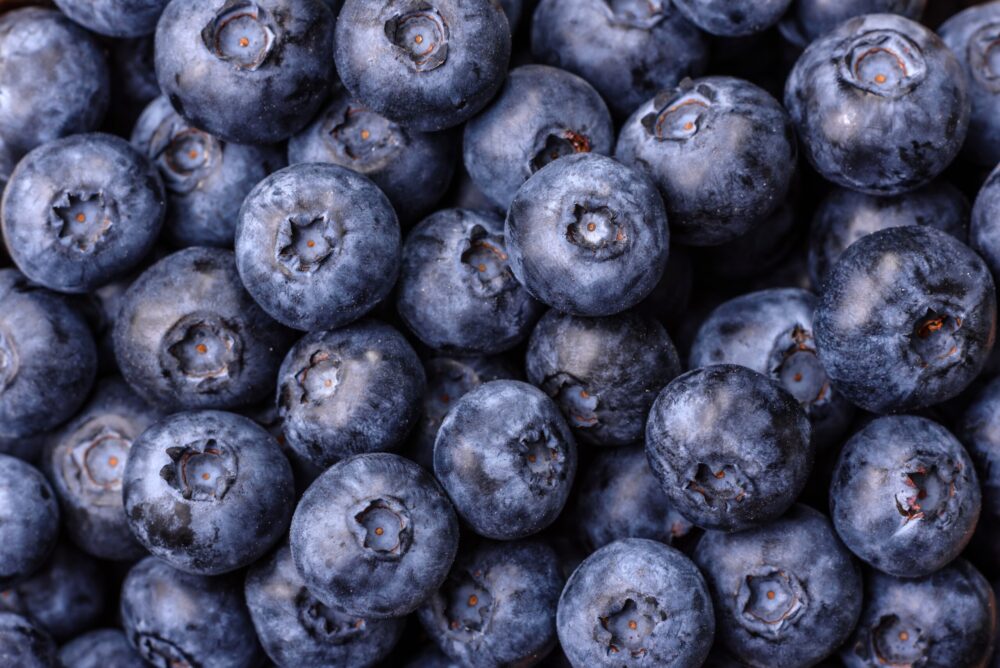
A recent study suggests one surprisingly simple habit could make a meaningful difference. Researchers found that eating a modest serving of blueberries each day may help improve several markers linked to long-term heart health, even in healthy adults with no existing cardiovascular disease.
The findings add to growing evidence that everyday dietary choices can play an important role in reducing future health risks while also supporting athletic performance.
Why cardiovascular health deserves more attention
Many people associate heart disease with older adults or those already living with health conditions. However, cardiovascular changes often develop gradually over many years without noticeable symptoms.
Blood pressure can slowly rise, arteries may become less flexible and the body’s ability to regulate blood sugar can weaken long before someone realizes anything is wrong. Because these changes happen quietly, experts encourage focusing on prevention rather than waiting until a medical issue develops.
For active adults, maintaining cardiovascular health also supports endurance, recovery and overall physical performance, making it just as important as strength or mobility training.
What the new research found
The study examined healthy participants rather than people already diagnosed with heart disease or diabetes. Researchers focused on the effects of anthocyanins, naturally occurring plant compounds responsible for the deep blue and purple color found in blueberries.
According to the research, consuming approximately 50 milligrams of anthocyanins each day, an amount found in roughly one third of a cup of fresh blueberries, produced measurable improvements in several important cardiovascular markers.
Participants experienced healthier blood pressure readings, improved flexibility in their arteries and better insulin sensitivity. These factors are widely recognized as indicators of cardiovascular and metabolic health.
Researchers concluded that incorporating blueberries into a daily diet may provide meaningful benefits over time, particularly when the habit is maintained consistently.
How much is enough?
One of the study’s biggest takeaways is that the recommended amount is relatively small.
Researchers found that about one third of a cup, or approximately 60 grams of fresh blueberries each day, supplied enough anthocyanins to support the observed health improvements.
Unlike a quick nutritional boost from a single meal, the benefits appear to build gradually through regular intake. Consistency rather than quantity was the key factor highlighted in the research.
Because blueberries are widely available and relatively affordable, adding a small handful to breakfast, yogurt, oatmeal or smoothies may be an easy habit for many people to maintain.
What these changes could mean for athletes
Although the study centered on long term disease prevention, the findings may also interest athletes and people who exercise regularly.
Healthier blood vessels can improve circulation, allowing oxygen and nutrients to reach working muscles more efficiently during exercise. Improved insulin sensitivity also helps the body use glucose more effectively, which supports energy production and post workout recovery.
These changes are unlikely to create dramatic overnight improvements in athletic performance. Instead, researchers suggest the greatest value comes from maintaining cardiovascular health over months and years while reducing the likelihood of future health problems.
For competitive athletes and recreational exercisers alike, that long term approach may ultimately prove just as valuable as short term performance gains.
A simple habit with lasting potential
Nutrition experts often stress that lasting health is built through consistent habits rather than occasional efforts, and the latest findings reinforce that message.
Eating a small serving of blueberries each day is not a cure for heart disease, nor does it replace regular exercise, balanced nutrition or routine medical care. However, research suggests it can become one practical piece of a broader strategy for protecting cardiovascular health.
As scientists continue exploring how food affects long term wellness, blueberries remain one of the simplest additions people can make to their daily routine. For athletes hoping to stay healthy for decades, focusing on prevention today may offer benefits that extend well beyond the next workout.