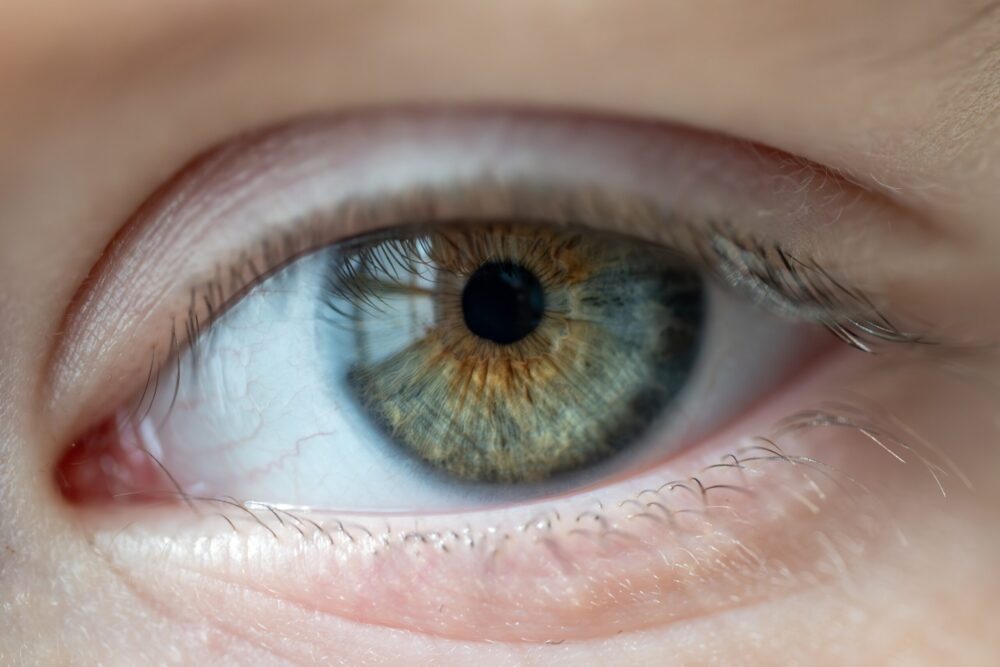
The eye is among the most complex structures in the human body, compressing an extraordinary range of optical and neural machinery into a sphere roughly the size of a golf ball. It processes light across a spectrum of intensities, adjusts focus from inches to miles in fractions of a second, and transmits more data to the brain than any other sensory organ. It also receives remarkably little deliberate attention until something begins to go wrong.
Most people treat this area of health as a passive concern, something addressed only when vision becomes noticeably blurry or when a problem is already causing discomfort. That approach misses the window in which several serious conditions are most amenable to intervention, the period before symptoms appear at all.
The eye conditions that arrive without warning
Glaucoma is among the most consequential eye conditions precisely because it produces no pain and no dramatic vision change in its early stages. It damages the optic nerve through elevated intraocular pressure, eroding peripheral vision gradually until central vision begins to be affected, at which point significant and irreversible loss has already occurred. Regular measurement of eye pressure during comprehensive examinations is the only reliable way to detect it before the damage is functionally apparent.
Age-related macular degeneration affects the macula, the small central region of the retina responsible for sharp detail used in reading, recognizing faces, and seeing fine print. Its early stage may be entirely symptom-free, discovered only through retinal examination. As it progresses, central vision becomes distorted and eventually lost, leaving only peripheral vision intact. Lifestyle factors including smoking, uncontrolled blood pressure, and UV exposure all accelerate its progression.
Digital strain and what it does to daily vision
The visual demands of modern life have changed more rapidly than the visual system was designed to accommodate. Extended near-focus work on screens requires sustained contraction of the ciliary muscles that control the lens, a level of demand that hours of continuous focus makes increasingly difficult to maintain comfortably.
Digital screen strain is characterized by tired, dry, or burning eyes, blurred vision at varying distances, headaches originating around the brow or temples, and difficulty shifting focus smoothly between near and far objects. These symptoms are reversible in the short term but can become persistent in people who never give their visual system adequate rest from close work.
The twenty-twenty-twenty rule offers a practical remedy. Every twenty minutes spent in close screen focus, looking at something at least twenty feet away for twenty seconds allows the ciliary muscles to fully relax and the eye surface to re-lubricate. Used consistently, it meaningfully reduces the accumulation of strain across a working day.
Nutrition and the long-term health of vision
The retina is metabolically one of the most active tissues in the body and is correspondingly sensitive to nutritional status. Lutein and zeaxanthin, carotenoid pigments concentrated in leafy green vegetables like kale and spinach, accumulate in the macula and protect it from light-induced oxidative damage. Diets rich in these compounds are consistently associated with lower risk of age-related macular degeneration progression.
Omega-3 fatty acids found in oily fish support the structural integrity of retinal cell membranes and contribute to tear film stability, reducing the dryness that makes extended screen use more uncomfortable for many people.
Making eye health a genuine priority
Comprehensive eye examinations, which include more than a basic vision screening, provide the most complete picture of eye health available outside a specialty clinic. They evaluate the optic nerve, retinal health, lens clarity, eye pressure, and the full range of conditions that can develop without producing symptoms the patient would independently notice.
Annual or biannual examination is appropriate for most adults, with higher frequency recommended for people with diabetes, hypertension, a family history of glaucoma, or other established risk factors. For people in higher-risk categories, waiting until a symptom appears is often waiting too long. The examination itself is the diagnostic tool, not the presence of discomfort.