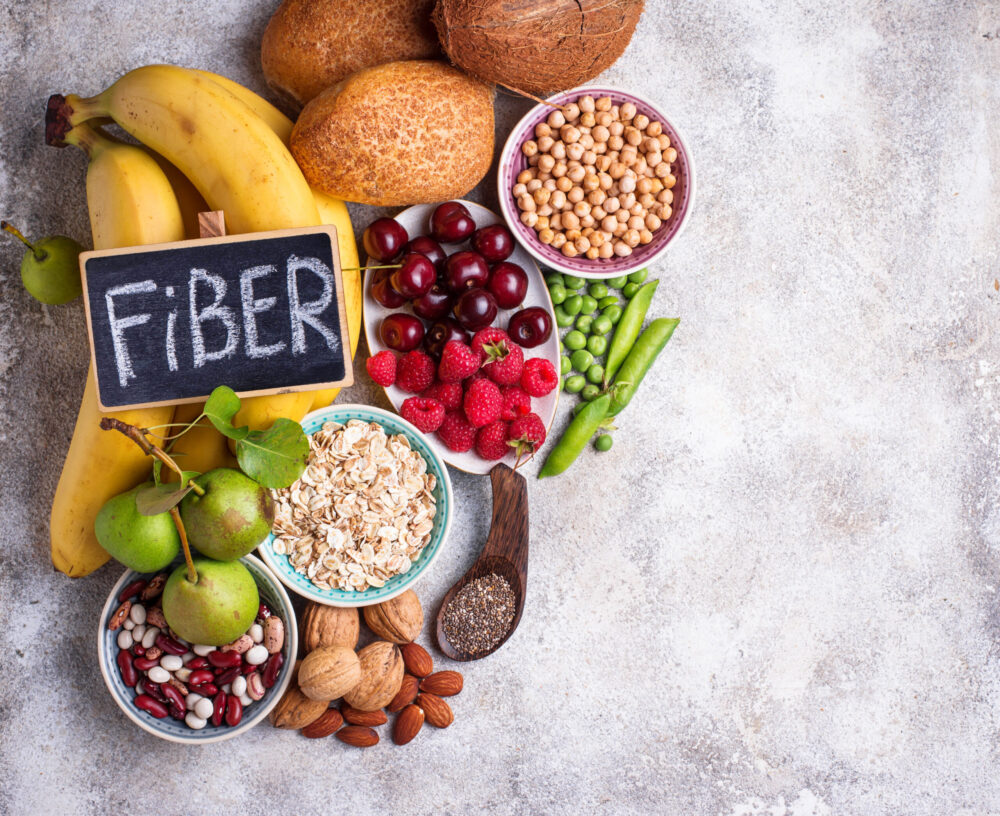
The nutrient your gut has been waiting for
Dietary fiber is one of the most researched and consistently validated tools in nutritional science, yet the average adult consumes barely half the amount their body actually needs each day. It is not a trendy supplement or a newly discovered compound. It is a fundamental component of a health-supporting diet that most people have gradually phased out without realizing it.
Found exclusively in plant foods, this nutrient passes through the digestive system largely intact, performing functions along the way that no other nutrient replicates. It feeds the gut microbiome, the vast community of microorganisms living in the colon that influence immune function, inflammation, mood, and metabolic health. It slows the absorption of sugar into the bloodstream, reducing the glycemic spikes that drive energy crashes and cravings. And it adds bulk that supports regular digestion and the removal of waste products from the body.
What this nutrient actually does inside your body
The gut microbiome is one of the most active areas of nutritional research, and it sits at the center of nearly every promising finding. When fiber-rich foods reach the colon, gut bacteria ferment them and produce short-chain fatty acids, compounds that nourish the cells lining the colon wall, reduce systemic inflammation, and appear to influence everything from insulin sensitivity to brain function through pathways researchers are still mapping.
A depleted gut is a poorly fed one. Diets low in this nutrient are consistently associated with reduced microbial diversity, higher rates of inflammatory bowel conditions, elevated cardiovascular risk, and greater susceptibility to metabolic dysfunction. The microbiome thrives on variety, meaning that eating a wide range of fiber-containing plant foods produces better outcomes than relying on a single high-fiber source consumed repeatedly.
Two types of dietary fiber worth understanding
This nutrient is not a single molecule. It exists in two broad categories that serve distinct purposes in the body. The soluble type dissolves in water to form a gel-like substance in the digestive tract. This gel slows digestion, captures cholesterol from bile acids, and moderates the rate at which glucose enters the bloodstream. Oats, beans, apples, flaxseeds, and citrus fruits are particularly rich sources.
The insoluble type does not dissolve. It adds bulk and texture to stool, accelerating transit through the digestive tract and reducing the time that potential carcinogens spend in contact with the colon wall. Whole grains, wheat bran, nuts, and most vegetables deliver substantial amounts of this type.
Most whole plant foods contain both types, which is one reason that food-based sources consistently outperform isolated fiber supplements in research comparing health outcomes over time.
Building it into every meal without overthinking
The most practical approach to getting more of this nutrient is not a dramatic diet overhaul. It is a series of small substitutions made consistently across the day. Swapping refined grain products for whole grain versions adds meaningful fiber without changing the structure of a meal. Building half of every plate from vegetables and legumes delivers both types alongside a range of vitamins, minerals, and antioxidants that work synergistically.
Starting slowly matters. A rapid increase in intake can cause bloating, gas, and discomfort in people whose gut microbiome has not been exposed to significant amounts. Gradual increases over several weeks, paired with adequate water intake, allow the digestive system to adapt without the side effects that discourage people from continuing.
Beans, lentils, chickpeas, and split peas are among the most nutrient-dense and affordable foods available, yet they remain underused in most Western diets relative to their value. A single cup of cooked lentils delivers roughly sixteen grams of dietary fiber, more than half of what most adults consume in an entire day. That single swap, made a few times a week, can meaningfully shift the gut microbiome and the wide range of metabolic outcomes that depend on it, often more quickly than most people expect it to.