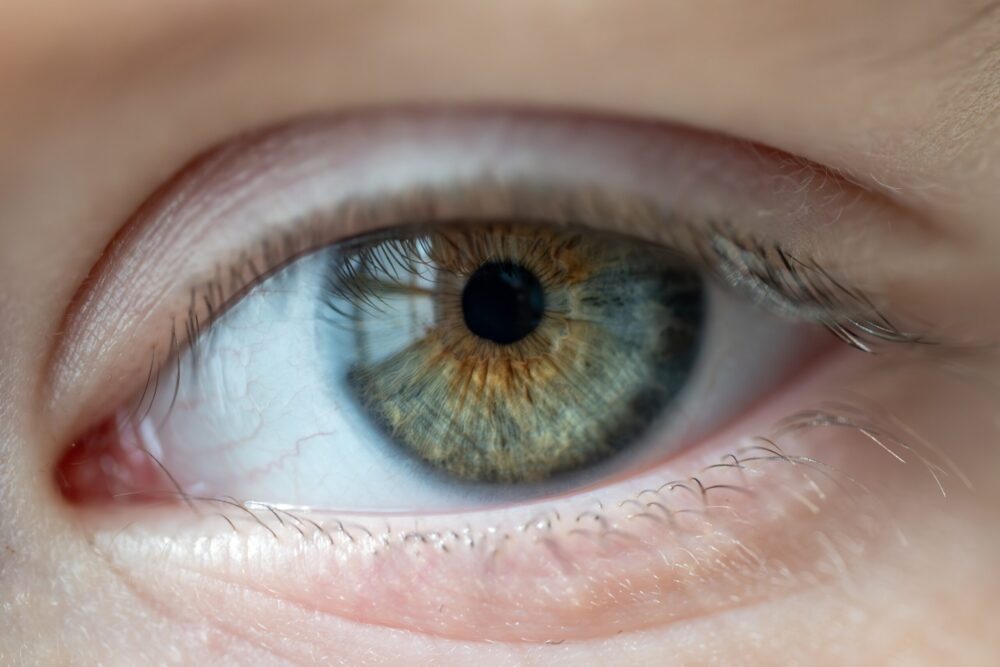
Seeing clearly is not guaranteed
Good vision is one of those gifts that most people do not appreciate until it starts to slip away. The eye is a complex optical system, exquisitely engineered but vulnerable to a range of threats that accumulate quietly over time. By the time symptoms become obvious, meaningful damage has often already occurred.
Vision problems affect hundreds of millions of people globally, ranging from simple refractive errors like nearsightedness to serious conditions including glaucoma, macular degeneration, and diabetic retinopathy. The common thread in many preventable cases is that early intervention could have made a substantial difference.
The screen time factor
The average person now spends more waking hours looking at screens than doing any other single activity. Smartphones, computers, tablets, and televisions demand sustained near-focus that the eye was not evolved to handle in such uninterrupted stretches. The result is a cluster of symptoms increasingly described as digital eye strain.
Symptoms include dry eyes, blurred vision, headache, and difficulty shifting focus from near to distant objects. These effects are temporary in the short term but can contribute to longer-term accommodation issues in people who spend the majority of their day in close-focus work without adequate breaks.
The twenty-twenty-twenty rule offers a practical remedy. Every twenty minutes spent looking at a screen, taking a twenty-second break to look at something at least twenty feet away allows the focusing muscles in the eye to relax and reduces cumulative strain.
The silent threats
Glaucoma is often called the silent thief of sight because it damages the optic nerve gradually, often without pain or noticeable vision changes until the disease has already produced significant loss. It is estimated that more than half of all people with glaucoma are undiagnosed, making routine eye pressure testing a critical early detection tool.
Age-related macular degeneration affects the central portion of the visual field and is the leading cause of vision loss in adults over sixty. Lifestyle factors including smoking, poor diet, and UV exposure all raise the risk of progression.
Protecting vision every day
UV protection is not solely a concern for the skin. Sunglasses with broad-spectrum UV protection reduce the cumulative damage to the lens and retina from sun exposure, lowering the risk of cataracts and macular degeneration over time.
A diet rich in leafy green vegetables, eggs, citrus, and fatty fish provides antioxidants and nutrients that support retinal health. Lutein and zeaxanthin, found in high concentrations in kale and spinach, are specifically protective against macular degeneration.
Comprehensive eye exams, not just vision screenings, should be a routine part of healthcare regardless of whether symptoms are present.