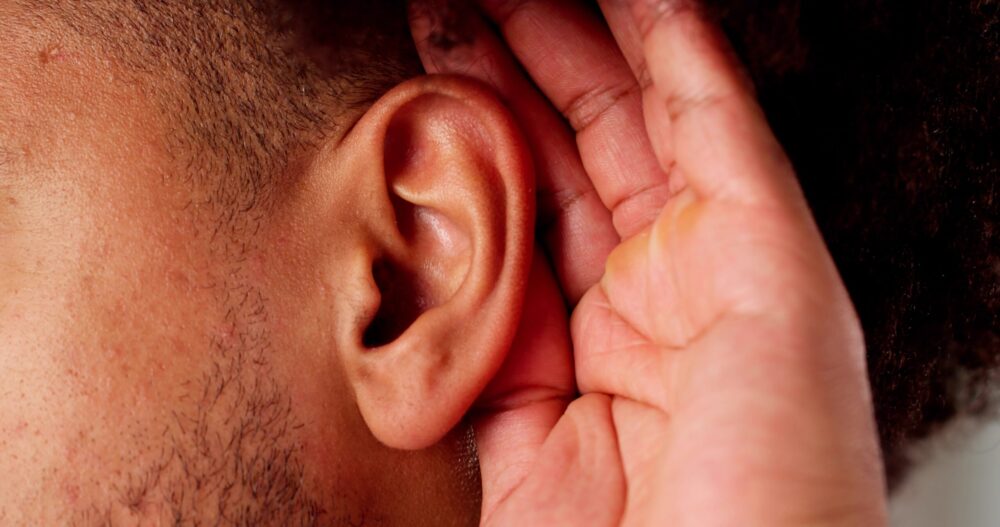
The ear is an engineering marvel compressed into a space smaller than a walnut. It converts pressure waves in the air into electrical signals the brain interprets as sound with a speed and precision that no man-made device has fully replicated. It also operates without a backup system. When the delicate structures inside are damaged, particularly those deep in the cochlea, there is no biological repair process waiting to restore them.
That fragility sits in uncomfortable tension with how most people treat their auditory health every day. Sustained exposure to loud environments, earphone volumes that routinely exceed safe thresholds, and the cumulative noise burden of modern life are collectively producing a rise in hearing problems at ages that ear specialists once considered too young for significant loss.
How noise damages inner hearing structures
Inside the cochlea, the spiral-shaped structure responsible for translating sound into neural signals, sit thousands of tiny hair cells arranged along a membrane that responds to different frequencies at different points along its length. These cells are the point of greatest vulnerability in the entire auditory system.
Loud noise, particularly sustained or repeated exposure, physically damages these cells through a combination of mechanical stress and metabolic exhaustion. Once damaged, they do not regenerate in humans. The loss is permanent and cumulative, meaning that each episode of noise exposure adds to a total that only moves in one direction.
The threshold at which damage begins to accumulate is lower than most people expect. Sounds above eighty-five decibels, roughly the level of heavy city traffic or a busy restaurant, can cause harm over prolonged exposure. At one hundred decibels, the level of a typical nightclub or concert near the speakers, damage can begin within fifteen minutes. At one hundred and ten decibels, the window closes to under two minutes of safe exposure.
The personal audio problem most people overlook
Personal audio devices have created a new category of auditory risk that sits outside the traditionally recognized sources of occupational and recreational noise damage. The headphones and in-canal devices that billions of people now use daily are capable of producing sound at levels that would have required specialized equipment in previous decades, and they deliver that sound directly into the ear canal with very little acoustic escape.
People consistently underestimate how loud they are listening, particularly in noisy environments where background sound leads them to raise the volume without noticing. The result is chronic low-level exposure that accumulates over years of daily use without any single episode feeling dramatic enough to cause concern.
Recognizing when hearing is struggling
Tinnitus, a ringing, buzzing, hissing, or clicking that has no external source, is frequently the first sign that the auditory system has been stressed. It often appears temporarily after loud noise exposure and then resolves. Repeated episodes, or tinnitus that persists beyond a day or two, indicate that damage is accumulating and that exposure habits need immediate reassessment.
Difficulty following conversation in noisy environments, needing to increase media volume more than others in the room, or frequently asking people to repeat themselves are all functional signs of early hearing decline worth discussing with an audiologist.
Protecting what cannot be replaced
Distance from loud sound sources, duration limits on high-volume listening, and physical protection in loud environments are the three most effective and most evidence-supported tools for preserving hearing over a lifetime. The sixty-sixty rule provides a practical starting point for personal audio use, keeping volume at no more than sixty percent of maximum for no more than sixty minutes at a stretch before taking a break.
Assessment by an audiologist every few years, starting in early adulthood for people with significant noise exposure histories, provides a baseline that makes early changes detectable before they become functionally significant. Most people wait until they are already struggling to follow conversations before seeking assessment, by which point meaningful and permanent change has usually already occurred.