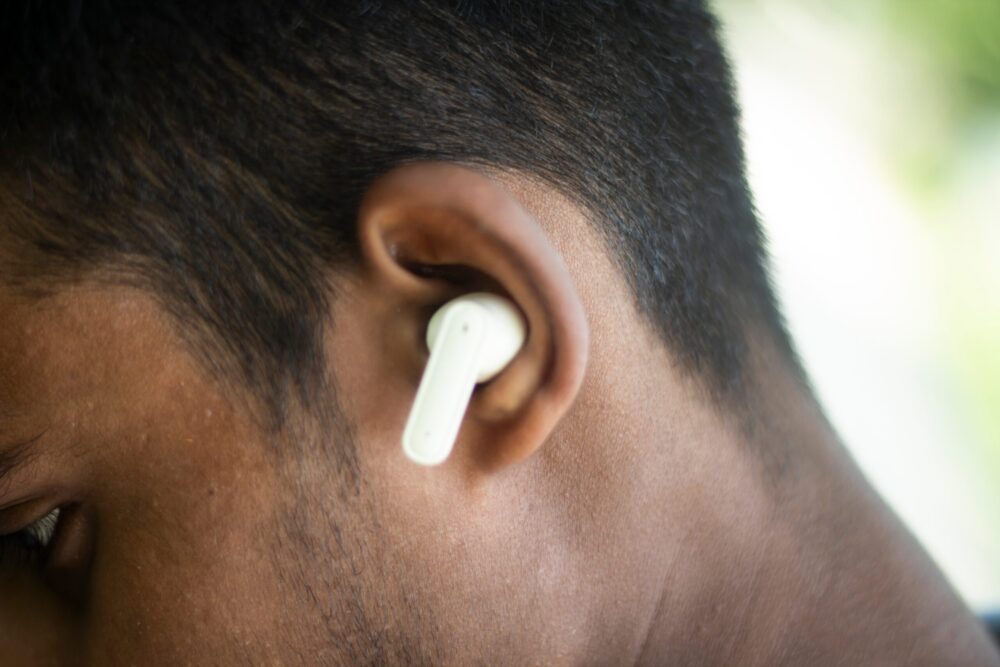
Auditory health and the hidden cost of headphones
Specialists treating auditory decline say the volume levels many people consider normal often exceed safe thresholds for personal listening devices. Sustained exposure to sound above eighty five decibels, a level easily reached on standard headphones at moderate volume, can begin damaging delicate structures within the ear after just a few hours of continuous use.
What makes this particularly concerning is how gradual the damage tends to be. Unlike a sudden loud noise that causes immediate discomfort, this slow deterioration often goes unnoticed until subtle changes in sound perception become difficult to ignore, frequently affecting the ability to detect higher pitched tones first. Many people only realize something is wrong once conversations in noisy rooms become noticeably harder to follow.
Infections rising beyond childhood
While infections affecting the ear are commonly associated with young children, specialists have observed a noticeable rise in cases among adults in recent years. Frequent use of wireless listening devices, which can trap moisture and bacteria within the canal, appears to be a contributing factor, alongside increased humidity exposure from regular swimming and showering without proper drying afterward.
Adults experiencing persistent discomfort, drainage or muffled sound are often surprised to learn the cause traces back to a device they use daily, rather than a more serious underlying condition affecting the broader auditory system. Treatment usually involves antibiotic drops and a temporary break from listening devices to let the canal heal properly.
The wax removal mistakes people keep making
Cotton swabs remain one of the most commonly used cleaning tools, despite repeated warnings from medical professionals against inserting anything into the canal. Rather than removing buildup, swabs frequently push wax deeper, increasing the risk of blockage or, in more severe cases, damage to the delicate membrane that allows sound to travel inward.
Specialists generally recommend allowing the canal to clean itself naturally, intervening only with doctor approved drops when buildup becomes uncomfortable or affects clarity of sound. Irrigation performed by a trained provider is considered far safer than at home tools marketed for self cleaning.
Pressure changes and what they signal
Sudden pressure shifts during flights or while diving can cause temporary discomfort for most people, but persistent pain following these activities sometimes indicates a more lasting issue with the eustachian tube, the small passage responsible for equalizing pressure between the canal and throat.
Chronic difficulty equalizing pressure, especially when paired with ringing or dizziness, warrants professional evaluation rather than being dismissed as a routine travel inconvenience that will resolve on its own without attention. Left unaddressed, this strain can occasionally affect balance as well as overall sound perception.
Age related decline often goes unaddressed
The ability to perceive sound naturally diminishes over time, but many adults delay seeking treatment due to stigma surrounding amplification devices or simple unawareness of how gradual the decline has been. Family members frequently notice changes, such as increased television volume or difficulty following conversations in noisy settings, well before the affected individual acknowledges any issue with their own ear function.
Modern amplification devices have become considerably less noticeable and more effective than earlier generations, removing much of the resistance that once kept people from addressing treatable decline in this area of health.
Protecting what’s left
Specialists emphasize that prevention remains far more effective than treatment after damage occurs. Lowering headphone volume, taking regular listening breaks and using protective gear around loud machinery or concerts are simple habits that meaningfully extend long term ear function, particularly for younger generations exposed to near constant audio throughout the day. Routine screenings also help catch early changes before they progress into permanent loss, making annual checkups a worthwhile habit for adults of every age.