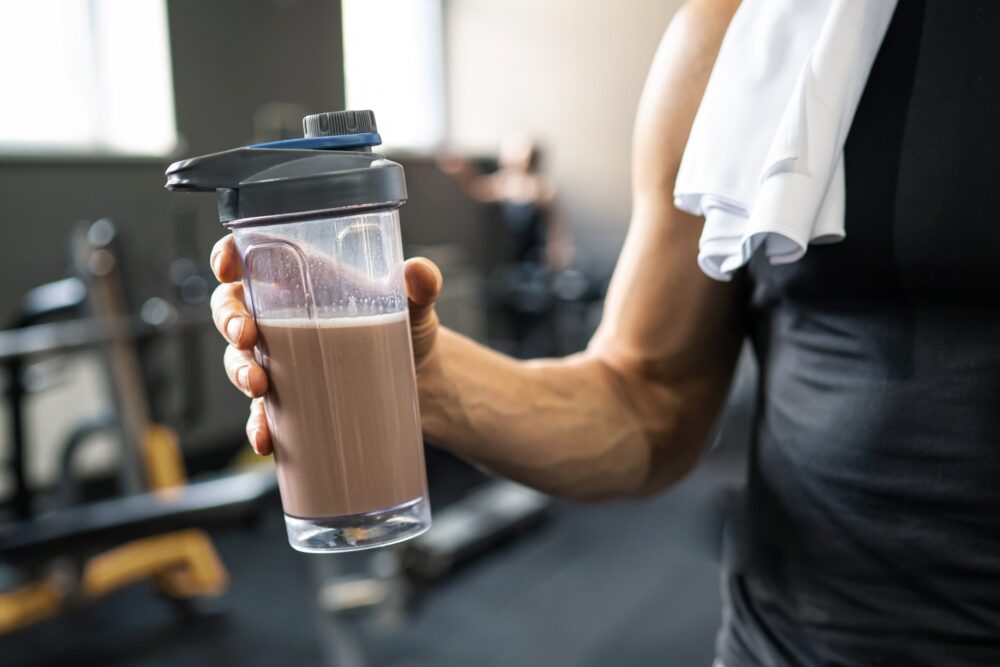
Protein shakes could be changing your body more than you think
Protein shakes have become a popular stand in for solid meals, but swapping one for the other can shift the body in several directions depending on what the shake actually contains, how much protein it delivers, and how it compares to a person’s usual eating pattern. Relying on shakes for the long haul may eventually lead to nutrient gaps and changes in appetite.
1. You may take in more protein
Most commercial shakes provide 20 to 30 grams per serving, which can outpace certain whole foods. A 3.5 ounce serving of cooked chicken breast contains 31 grams, while a cup of cooked pasta has only 6 grams. Even so, hitting daily protein targets without shakes is entirely possible by mixing a variety of protein rich foods throughout the day.
2. You could support muscle mass
Shakes offer a quick and convenient way to raise overall intake. This matters because the nutrient helps build and preserve muscle by supplying amino acids and stimulating muscle synthesis, particularly when combined with strength training. Because of this, relying on shakes regularly may influence muscle and lean body mass over time.
3. You may miss out on other nutrients
Swapping a full meal for a shake can mean missing out on nutrients beyond the shake itself. Even a high quality protein shake tends to lack the vitamins, minerals, and fiber that come naturally from balanced meals built around whole foods.
4. Your calorie intake may shift
Total daily calories might rise, fall, or stay steady depending on how the shake compares to the meal it replaces. If it contains fewer calories than a typical meal and nothing extra is eaten later, total intake usually drops, which can support weight loss. Research on meal replacement shakes generally reports lower overall energy intake and greater weight loss compared with food based diets.
Results are less consistent when shakes are used as snacks or as a preload before eating. Some studies suggest this leads to eating less at the following meal, while other research points to a net increase in total energy intake across the day.
5. You may not feel as full
Solid foods tend to reduce hunger and boost satiety more effectively than liquids. Liquids and solids appear to affect appetite regulating hormones differently, though the science is still developing. Evidence remains mixed on whether eating solid food versus drinking a shake changes food intake later in the day, and some research suggests the actual composition of a meal, including its protein, fat, and carbohydrate balance, may matter more than whether the food is liquid or solid.
Can shakes replace meals entirely
Whether a shake can stand in for a full meal really depends on individual needs. Most shakes were never designed to be true meal replacements, and unless a healthcare provider says otherwise, they generally work best as a supplement rather than a substitute. Anyone who finishes a shake still feeling hungry or unsatisfied is probably better served by a balanced plate instead.
For people leaning on shakes to boost intake, it helps to think about the rest of the plate too, following a simple model where half the plate is non starchy vegetables, a quarter is protein, and a quarter is whole grain carbohydrates, since this combination supports fullness while still covering nutrient needs. People who frequently skip meals, especially older adults, may find a shake a convenient way to support overall nutrition and daily function. Shakes can also make sense for anyone who has difficulty chewing, provided a healthcare provider has cleared this approach. In most situations though, shakes work best alongside whole meals rather than replacing them on a routine basis.