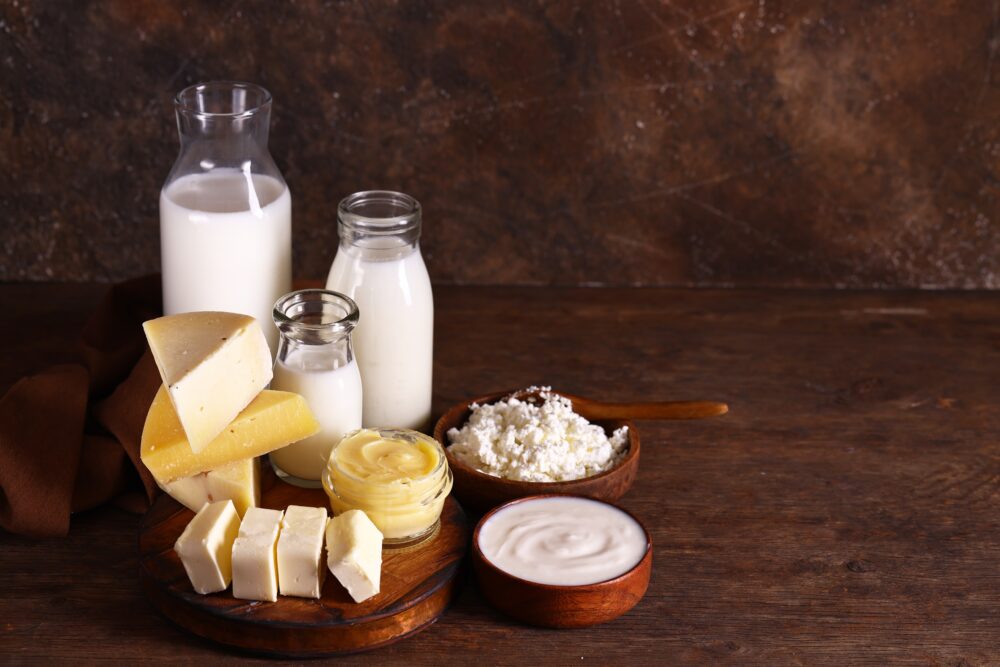
Dairy is suddenly everywhere, and even longtime skeptics are rethinking whether cheese and whole milk deserve a place on the healthy plate. Yogurt is being talked about as a possible successor to olive oil in wellness circles, and a well known food is medicine researcher and cardiologist has been publicly championing full fat milk products as no worse than the low fat kind. Meanwhile, the federal government’s newly redesigned food pyramid places a thick wedge of cheese near the top, right alongside steak, raising an obvious question. Has cheese officially become a health food, and where does that leave cholesterol, long blamed as a driver of heart disease.
The dairy debate heats up
Federal guidelines have recommended three servings a day for years, but the newer twist is an openness toward richer versions rather than strictly low fat ones. The catch is the saturated fat limit, which stays capped at less than 10 percent of daily calories. Nutrition researchers point out that eating that much full fat dairy makes it easy to blow past that ceiling, especially for anyone who already eats plenty of red meat or cooks with butter or tallow instead of vegetable oil.
One camp argues the saturated fat in dairy should not even count toward that 10 percent limit, since evidence suggests little advantage to choosing low fat versions over richer ones, and possibly even some benefit to the fuller kind. Critics call that reasoning inconsistent, arguing saturated fat behaves the same regardless of its source, whether it comes from milk products, meat, or anywhere else. Many nutrition experts continue to favor a more cautious middle ground, and the fine print of the updated guidelines still lists low fat and nonfat options as equally acceptable, alongside plant based alternatives.
What the research actually shows
Dairy overall has a fairly strong health reputation. Milk has been linked to lower blood pressure and reduced stroke risk, cheese to a lower diabetes risk, and yogurt to better weight outcomes. The real question is not whether dairy belongs in a healthy diet, but whether it needs to be low fat or full fat.
For the first time, the latest federal review compared different saturated fat sources against each other rather than treating them as one category. More than 100 studies were considered, and the resulting advisory reached two main conclusions. Limited evidence suggests shifting toward higher fat versions does not raise cardiovascular risk, but stronger evidence supports replacing saturated fats broadly, including butter, milk products, and red meat, with plant based alternatives to lower heart disease risk.
Nutrition scientists caution that the word limited matters. Many of the underlying studies were short, conducted outside the United States, and may not translate cleanly to typical American eating patterns. Socioeconomic factors could also skew the results, since people who consume more milk and cheese often eat fewer refined carbohydrates overall, which complicates the picture. It also matters what was being replaced in these studies, since swapping richer versions for low fat ones is a very different comparison than swapping them for cookies or soda.
How to think about dairy choices
Experts largely agree the smartest approach comes down to comparison rather than blanket rules. Some foods, like yogurt, fruit, and vegetables, are simply healthy outright, while sugary drinks and ultra-processed snacks are clearly unhealthy. Milk and cheese fall into a gray zone where the better question is always what they are replacing. Cheese instead of berries and broccoli is a downgrade, but cheese instead of white bread or soda is an upgrade.
The general advice leans toward plain, full fat versions over sweetened low fat ones, though people who already prefer plain low fat products have little reason to switch. Anyone increasing their intake of these richer options might consider a cholesterol check after several months, and calorie totals still deserve attention regardless of fat content. Most experts agree the bigger picture, covering sleep, activity, blood pressure, and blood sugar together, matters more than any single dairy swap.