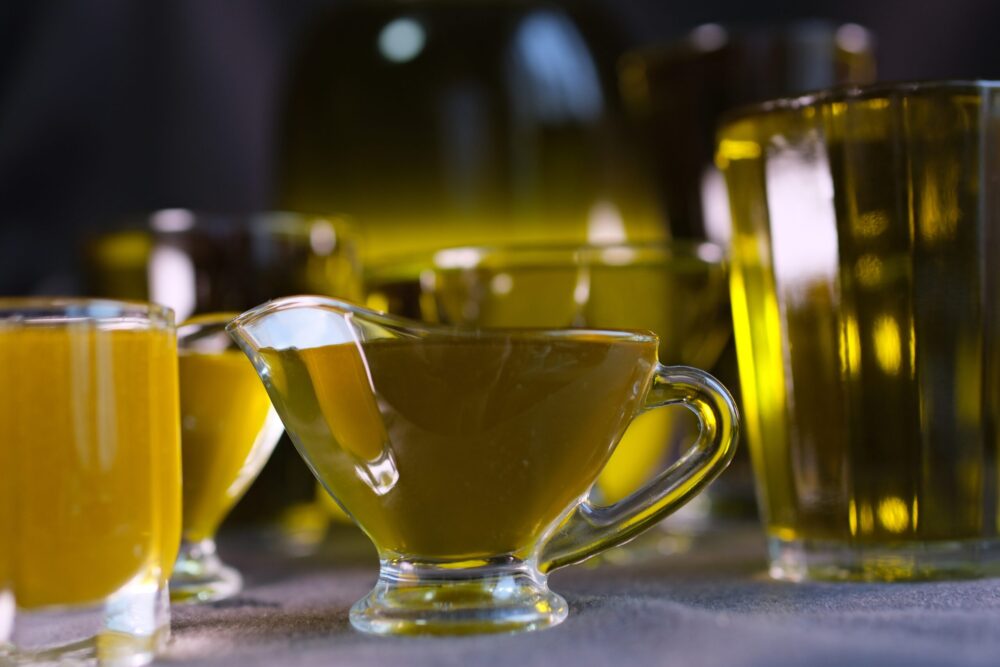
The connection between what we eat and how our brains age has never been clearer, and one of the most consistently supported foods in that research is one that has been sitting in kitchens for thousands of years. Extra virgin olive oil, according to a board-certified neurosurgeon with more than three decades of clinical experience, is among the most accessible neuroprotective tools available today. And its path to protecting the brain begins not in the skull but in the gut.
The analogy he offers is simple and effective. The brain functions like a finely tuned engine, and olive oil provides the kind of fuel that keeps it running cleanly. A diet built around processed foods and poor-quality fats does the opposite, introducing the kind of buildup and friction that leads, over time, to memory problems and cognitive decline. Olive oil reduces neuroinflammation, strengthens the blood-brain barrier and supports the communication pathways between neurons, doing its work quietly and consistently every time it is consumed.
Olive oil and the gut-brain connection that changes everything
The most compelling dimension of olive oil’s brain benefits may be the least intuitive. A growing body of neuroscience has established that the gut and the brain are in constant two-way communication, exchanging chemical signals through a network researchers call the gut-brain axis. The microorganisms living in the digestive system produce compounds that travel directly to the brain and influence mood, memory, focus and the risk of cognitive decline.
A study published in the journal Microbiome in early 2026 identified a specific gut bacterium called Adlercreutzia that appears to flourish in people who regularly consume virgin olive oil. That bacterium produces compounds that reduce inflammation and protect brain tissue, meaning that olive oil’s brain benefits are not simply a matter of chemistry reaching the bloodstream. They are the result of a specific biological cascade that begins in the gut and ends with measurable protection for the brain. It is a remarkably precise chain reaction for something as ordinary as a kitchen staple.
A poor diet or chronic stress disrupts this same system, sending inflammatory signals upward that contribute to cognitive damage over time. Olive oil works in the opposite direction, feeding the bacteria that send protective signals instead.
What olive oil does about the plaques linked to Alzheimer’s
For people concerned about dementia, the research on olive oil and beta-amyloid plaques is particularly significant. These toxic protein clusters accumulate between neurons, disrupting communication in the brain and representing one of the central hallmarks of Alzheimer’s disease. Extra virgin olive oil contains a compound called oleocanthal that research suggests helps the brain clear these plaques more effectively, functioning almost like a natural cleaning system working against the buildup that drives neurodegeneration.
Beyond that clearing mechanism, olive oil also protects brain cells from the inflammation and oxidative stress that contribute to plaque formation in the first place. Oxidative stress, which occurs when harmful free radical molecules overwhelm the body’s antioxidant defenses, damages cells, disrupts neural communication and accelerates cognitive aging. The polyphenols and antioxidants concentrated in high-quality extra virgin olive oil neutralize those free radicals before they can accumulate into lasting damage.
A study published in JAMA Network Open found that consuming more than seven grams of olive oil per day, roughly half a tablespoon, was associated with a 28 percent lower risk of dementia-related death. The neurosurgeon who reviewed that study described it as a significant finding that added meaningful weight to the growing body of research, and said he was comfortable recommending extra virgin olive oil as part of a brain-healthy diet on the strength of the evidence available.
How to choose the right olive oil and how much to use
Not all olive oil delivers the same benefits. Extra virgin olive oil is the highest quality category because it is cold-pressed without heat or chemical processing, preserving the polyphenols and antioxidants responsible for its protective effects. Refined olive oil undergoes processing that strips away much of that nutritional value.
When shopping, look for dark glass bottles or tins that protect the oil from light degradation, a harvest date rather than just a best-by date, and certification seals like PDO or PGI that indicate the oil meets rigorous regional standards. An acidity level below 0.8 percent is a reliable quality marker, and bottles that identify a specific country of origin or estate generally reflect more careful production.
The research points to one to two tablespoons of extra virgin olive oil per day as the amount needed to make a measurable difference, ideally as part of a broader Mediterranean-style eating pattern. Consistency matters more than any single meal. Swapping it in for butter or processed oils across everyday cooking, from salad dressings to roasted vegetables to simple bread dipping, is a low-effort way to make that habit stick.
Small, intentional choices in the kitchen today, as the science increasingly suggests, can have a meaningful impact on how the brain performs and endures for decades to come.