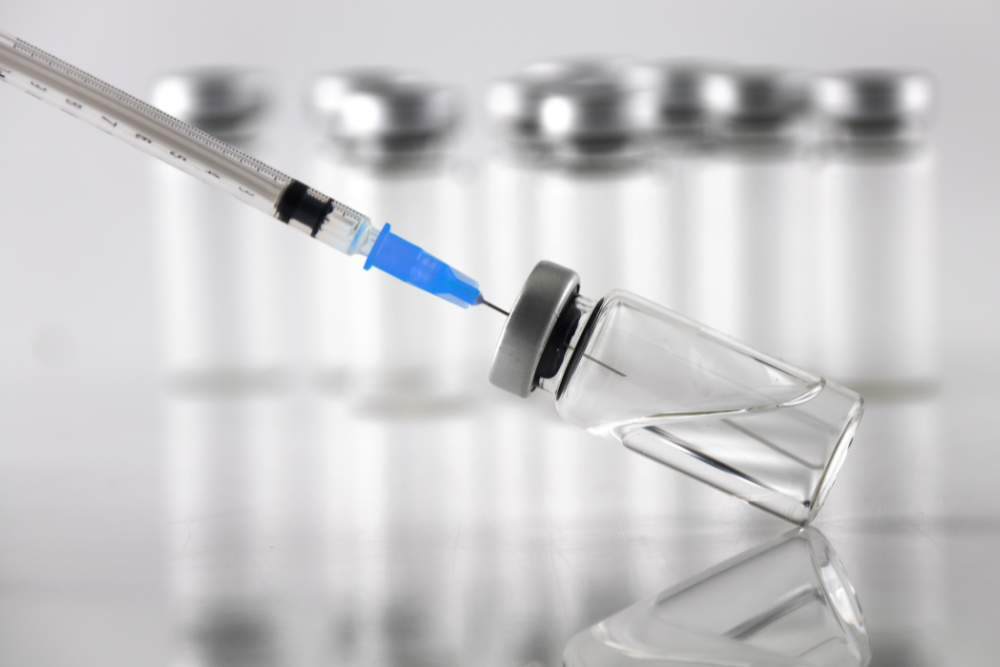
Vaccines and fertility is a topic that generates an enormous amount of concern online, particularly among people who are planning pregnancies or navigating the emotionally charged world of fertility treatment. The volume of information circulating on social media and across health-adjacent corners of the internet has created genuine anxiety for many people who might otherwise not have questioned the relationship between immunization and reproductive health.
The scientific consensus on this question is clear and consistent. No routine vaccine has been shown to cause infertility in men or women. That conclusion is supported by multiple large-scale studies across different populations and different vaccine types, and it has been affirmed by reproductive medicine organizations that review the evidence as it continues to develop. Understanding what the research shows for each of the most commonly questioned vaccines is the most useful way to approach this topic with confidence.
The COVID-19 vaccine
No vaccine has received more scrutiny for its potential effects on fertility than the COVID-19 vaccine, and no vaccine has been more thoroughly cleared of those concerns by the available evidence. Large analyses examining data across tens of thousands of individuals found no association between COVID-19 vaccination and fertility problems in either men or women. Research has specifically confirmed that the vaccine does not harm egg reserve in women or sperm health in men. Major reproductive medicine organizations have consistently recommended the vaccine for people who are trying to conceive or who are already pregnant, on the grounds that the risks of COVID-19 infection during pregnancy far outweigh any theoretical concern about the vaccine itself.
The MMR vaccine
The measles, mumps, and rubella vaccine has raised questions about fertility largely because the mumps virus itself is known to cause testicular inflammation that can impair sperm development in unvaccinated men who contract the infection. The vaccine, which prevents that outcome, has not been linked to fertility problems in either sex. One practical consideration for people planning a pregnancy is timing. Because the MMR vaccine contains a weakened form of live virus, waiting approximately one month after receiving it before attempting conception is recommended as a precaution, allowing the immune system to fully process the vaccine before a pregnancy begins.
The HPV vaccine
Most people receive the human papillomavirus vaccine in early adolescence, making its potential effects on future fertility a legitimate long-term question. The research on this question is reassuring. No credible scientific evidence connects HPV vaccination to infertility or premature ovarian insufficiency. In fact, the vaccine may offer indirect protection for reproductive health by preventing the HPV infections that can lead to cervical abnormalities requiring treatment, and those treatments, rather than the vaccine itself, carry the more meaningful fertility implications.
The flu vaccine
The annual influenza vaccine is not typically top of mind in fertility conversations, but it is worth addressing clearly. Research involving large numbers of women found no difference in conception rates between those who received the flu vaccine and those who did not. The flu vaccine is not only safe for people trying to conceive but is strongly recommended during pregnancy, since pregnant individuals face significantly elevated risk of severe illness and complications from influenza. Injectable flu vaccines are the appropriate form during pregnancy, as the nasal spray version contains a live weakened virus that is not recommended during pregnancy.
The chickenpox vaccine
The varicella vaccine has not been linked to fertility concerns in men or women. Adults who were not vaccinated as children or who are uncertain about their immunity are encouraged to confirm their status and vaccinate before trying to conceive if needed, since chickenpox in adults tends to be more severe than in children and the varicella virus itself carries risks for fetal development. Like the MMR vaccine, the chickenpox vaccine contains a weakened live virus and should not be given during pregnancy, making pre-conception vaccination the appropriate approach for those who need it.
How vaccines protect both parent and baby during pregnancy
Several vaccines are specifically recommended during pregnancy precisely because they help protect both the pregnant person and the developing baby. Antibodies generated in response to certain vaccines cross the placenta and provide newborns with a layer of early immune protection before they are old enough to receive their own vaccinations. The risks of skipping recommended vaccines during pregnancy include elevated susceptibility to severe illness, hospitalization, and complications that carry their own significant risks for both parent and child.
What to do about vaccine side effects and online misinformation
Common vaccine side effects including soreness, mild fatigue, and temporary muscle pain are well documented and self-resolving, and they carry no implications for fertility. Some people have reported temporary changes in their menstrual cycle following certain vaccines. Research has confirmed these changes resolve within one cycle and have no effect on reproductive health.
The most important step anyone can take when navigating vaccine questions in the context of family planning is to discuss their specific situation with a healthcare provider who can review their vaccine history and provide guidance tailored to their health circumstances and timing. Reproductive medicine organizations that evaluate the evidence systematically are the most reliable sources of accurate information in this space.